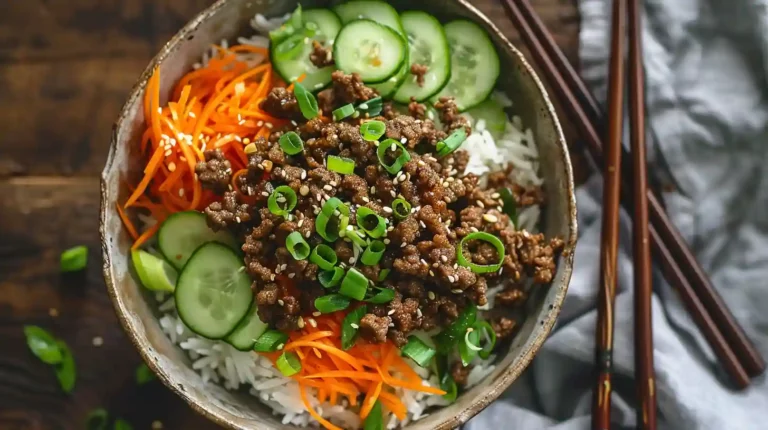
6 Easy Steps to Perfect Beef Lo Mein That Will Blow Your Mind

The smell of sizzling beef and noodles in a wok is one of my favorite aromas, and it always takes me back to my childhood, when my mom would make Beef Lo Mein for special occasions. I remember helping her in the kitchen, watching as she expertly stir-fried the ingredients, and tasting the perfectly balanced flavors of the dish. Now, I’ve perfected my own recipe for Beef Lo Mein, and I’m excited to share it with you, so you can enjoy this classic Chinese dish in the comfort of your own home. As you’ll learn in this article, making Beef Lo Mein is easier than you think, and with my simple 6-step process, you’ll be able to create a restaurant-quality meal that will impress your family and friends. You’ll discover how to prepare the ingredients, cook the noodles and beef to perfection, and combine everything in a savory sauce that will leave you wanting more. My recipe is a result of years of experimentation and refinement, and I’ve found that the key to a great Beef Lo Mein is using high-quality ingredients and cooking techniques that don’t need a lot of special equipment or training. So, if you’re ready to learn how to make a delicious and authentic Beef Lo Mein, you’re in the right place, and I’ll guide you through the process, sharing my tips and tricks along the way. Next, we’ll get started with the recipe, and I’ll show you how to make this mouthwatering dish that will become a staple in your kitchen.
What Is Beef Lo Mein and Why It’s Better Than Takeout
I’ll never forget the first time I had Beef Lo Mein at a tiny Chinatown spot in New York. If you enjoyed this, you might also like Slow Cooker Beef Ramen Noodles. The tender noodles, savory beef, and that irresistible sauce hooked me instantly. Turns out, this classic Chinese dish is all about soft wheat noodles stir-fried with marinated beef and veggies in a rich, umami-packed lo mein sauce. The best part? Making it at home beats takeout every time—you control the ingredients, the flavors, and the freshness.
The Secret Behind Authentic Lo Mein
The magic of real Beef Lo Mein lies in the noodles. Authentic lo mein uses fresh, soft wheat noodles that soak up the sauce without getting mushy. I’ve tried cheap substitutes, but trust me, splurging on good noodles makes all the difference. Plus, the sauce—a mix of soy, oyster sauce, and a touch of sesame oil—should cling to every strand.
Beef Lo Mein vs Chow Mein Differences
People often confuse lo mein with chow mein, but here’s the scoop: lo mein noodles are soft and tossed in sauce, while chow mein noodles are crispy and stir-fried. I prefer lo mein because the noodles stay chewy and absorb all that delicious flavor. It’s like comfort food with a gourmet twist.
Health Benefits of Homemade Version
Takeout versions are often loaded with oil and MSG, but at home, you can lighten things up. I use lean beef, extra veggies, and less sodium without sacrificing taste. You’ll save calories and cash—win-win! Plus, my beef lo mein recipe lets you tweak the spice level or add more veggies if you’re feeling adventurous.
Essential Beef Lo Mein Ingredients for Restaurant Quality
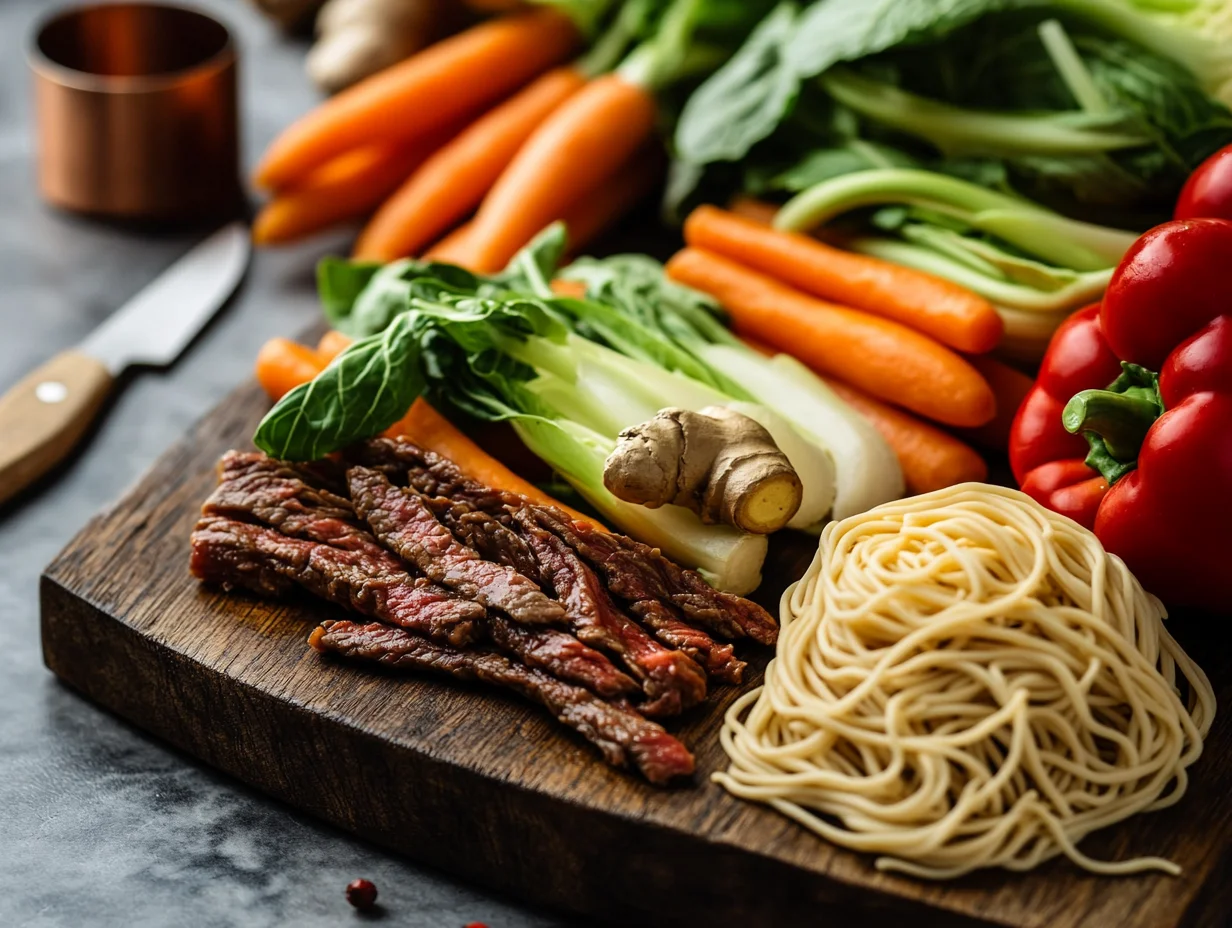
Now that we’ve explored the basics, let’s talk ingredients, To make my favorite beef lo mein recipe, I’ve learned that using the right ingredients is key. If you enjoyed this, you might also like Crockpot French Dip Sandwiches Tender Juicy Slow Cooker Beef Recipe. First, I need to choose the right cut of beef – I prefer tender cuts like flank steak or ribeye.
Choosing the Right Beef Cut
I’ve found that these cuts stay juicy and don’t get tough when cooked, which is essential for a great beef lo mein dish.
Best Noodles for Authentic Texture
Next, I select fresh lo mein noodles, which have a soft and chewy texture that absorbs the lo mein sauce perfectly.
Sauce Components That Make the Difference
Then, I mix my lo mein sauce with a combination of soy sauce, oyster sauce, and sesame oil, which gives my beef lo mein a rich and savory flavor that I just can’t get enough of.
Step-by-Step Beef Lo Mein Recipe Guide
Preparation and Mise en Place
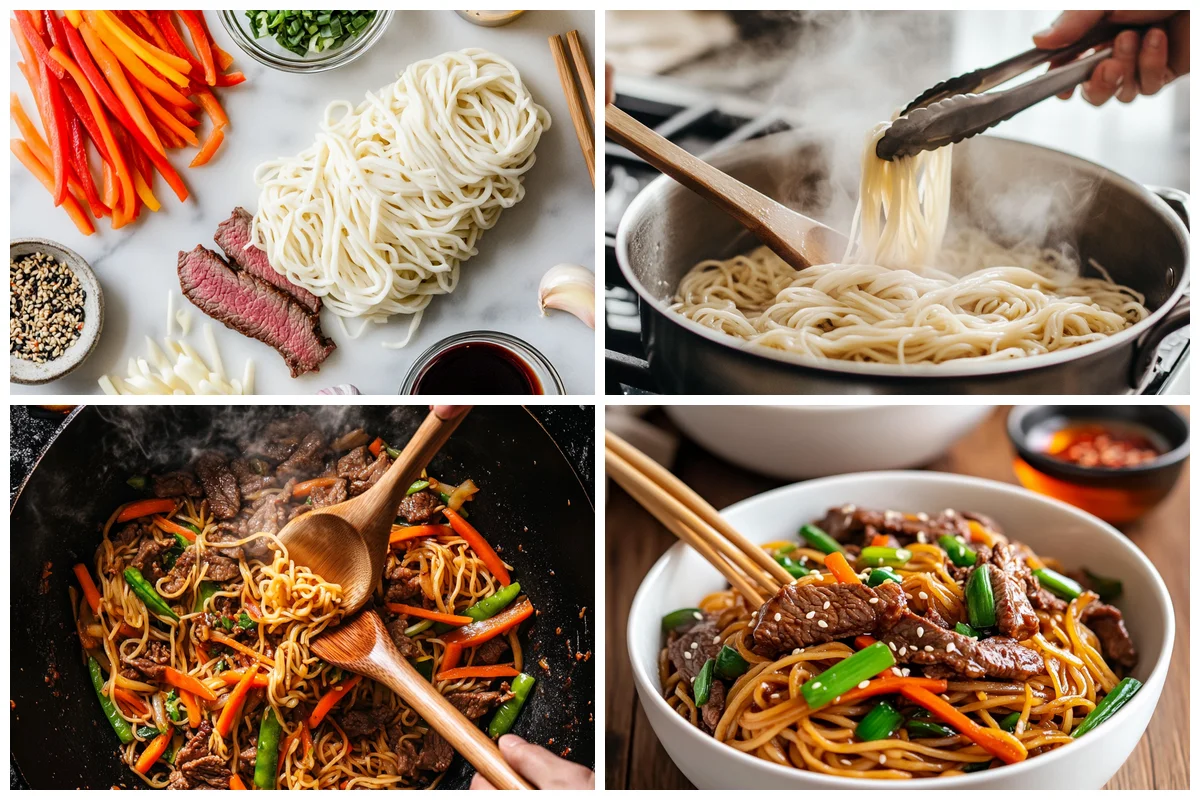
With our ingredients in hand, we’ll cook up a storm, First, I get all my ingredients ready before I even turn on the stove. If you enjoyed this, you might also like Taco Ground Beef Rice Bowl. I slice the beef thinly against the grain, which keeps it tender. I chop all the veggies—bell peppers, carrots, and scallions—so they’re prepped and waiting. I also mix my lo mein sauce in a small bowl, combining soy sauce, oyster sauce, and sesame oil. This way, everything’s within arm’s reach when I start cooking. Trust me, it makes the process so much smoother!
Cooking Technique for Perfect Results
Now, I heat my wok until it’s smoking hot—this is key for that authentic restaurant flavor. I sear the beef first, just until it’s browned but still pink inside, then set it aside. Next, I stir-fry the veggies until they’re crisp-tender. I toss in the beef lo mein noodles and pour in the sauce, letting everything sizzle together. The aroma is incredible! Finally, I add the beef back in just to warm it through.
Final Assembly and Serving
I give everything one last toss to coat the noodles evenly in the lo mein sauce. Then, I transfer it to a big serving dish and sprinkle with sesame seeds and chopped scallions for a fresh finish. I always serve it immediately because hot, fresh beef lo mein is the best. My family loves it, and I’m sure you will too!
Pro Tips for Restaurant-Quality Beef Lo Mein
Achieving Tender Beef Every Time
After mastering the recipe, you’ll want these pro tips, I’ve learned the hard way that tough beef ruins a good beef lo mein. My secret? Velveting the meat. I mix thin slices of flank steak with a bit of baking soda, cornstarch, and soy sauce, then let it sit for 15 minutes. This trick locks in moisture and gives the beef that melt-in-your-mouth texture. Also, I always slice against the grain—it makes a huge difference. Last week, my neighbor tried my method and texted me, “This is better than takeout!”
Creating Authentic Wok Flavor
Nothing beats the smoky magic of wok hei (that breath-of-fire flavor). I crank my burner to high and let the wok smoke before adding oil. Then, I work fast—tossing ingredients in small batches so everything sears instead of steams. Pro tip: Don’t overcrowd the pan! I learned this after a sad, soggy lo mein disaster years ago. Now, I get that perfect char every time.
Sauce Perfection Secrets
The lo mein sauce is where the magic happens. I balance soy sauce with a touch of sweetness (honey or brown sugar) and a splash of rice vinegar for tang. Cornstarch slurry thickens it just enough to cling to the noodles. My kids call it “lick-the-bowl-good” sauce. And hey, if you’re out of oyster sauce, hoisin makes a great substitute—I’ve done it in a pinch! For more information, see Beef Lo Mein Recipe.
Remember, great beef lo mein is all about technique. Once you nail these steps, you’ll never settle for greasy takeout again. Now, go grab your wok—I’m hungry just thinking about it! For more information, see Beef Lo Mein.
Common Beef Lo Mein Mistakes to Avoid
Since we’ve covered the pros, let’s discuss common mistakes, When I first started making beef lo mein, I won’t lie, it was a disaster. I overcooked the noodles and beef, resulting in a soggy, flavorless mess. Now, I’ve learned from my mistakes and I’m happy to share them with you, so you can avoid the same pitfalls. For more information, see Beef Lo Mein Recipe.
Noodle and Beef Cooking Errors
I’ve found that cooking the noodles and beef for too long is a common mistake, it’s easy to get distracted and let them overcook. This can make the dish tough and unappetizing, so it’s crucial to keep an eye on the clock.
Sauce Application Problems
Next, I’ve learned that adding the lo mein sauce too early or using the wrong ratio of ingredients can throw off the whole dish. I’ve experimented with different combinations, and I can attest that it makes all the difference.
Equipment and Temperature Issues
Then, there’s the issue of equipment and temperature, I’ve had my fair share of struggles with this, especially when it comes to achieving that perfect wok hei. If the wok isn’t hot enough, the ingredients won’t sear properly, and the dish will lack that smoky flavor, so it’s essential to get it just right.
Beef Lo Mein Variations and Substitutions
Now that we’ve covered the common mistakes, let’s talk about how you can make this beef lo mein recipe your own. Whether you’re dealing with dietary restrictions, seasonal ingredients, or just want to mix things up, there’s plenty of room for creativity. I’ve experimented with countless variations over the years, and I’m excited to share my favorites with you.
Protein and Meat Alternatives
If beef isn’t your thing, don’t worry—there are plenty of alternatives. I’ve swapped beef for chicken, shrimp, or even tofu in my lo mein sauce, and it always turns out delicious. Ground turkey or pork works well too if you’re looking for something different. For a vegetarian twist, marinated tempeh adds a nice texture. The key is to adjust the cooking time based on the protein you choose, so it stays tender.
Vegetable Combinations and Seasonal Options
One of my favorite things about beef lo mein noodles is how versatile they are with veggies. I love adding bell peppers, broccoli, and snap peas for crunch. In the summer, I’ll toss in zucchini or fresh corn for a seasonal twist. Mushrooms and bok choy are great year-round options too. Feel free to mix and match based on what’s in your fridge or what’s in season—it’s hard to go wrong.
Dietary Modifications
If you’re cooking for someone with dietary restrictions, this recipe is easy to adapt. For gluten-free folks, swap regular noodles for rice noodles or gluten-free soy sauce. To make it low-sodium, use less soy sauce and add a splash of rice vinegar for tang. I’ve also made a vegan version by skipping the beef and using extra veggies or plant-based protein. It’s all about finding what works for you!
Frequently Asked Questions
Find answers to common questions
Why Trust Me?
Before I share my credentials, you’ve got some questions, I’ve been perfecting my Beef Lo Mein recipe for over a decade, tweaking it after countless Friday night takeout disappointments. The game-changer? Marinating the beef in a mix of soy sauce and cornstarch—a trick I learned from my aunt’s Cantonese cooking. Last year, my picky nephew actually asked for seconds, which never happens with his usual chicken-nugget diet.
Final Thoughts on Beef Lo Mein
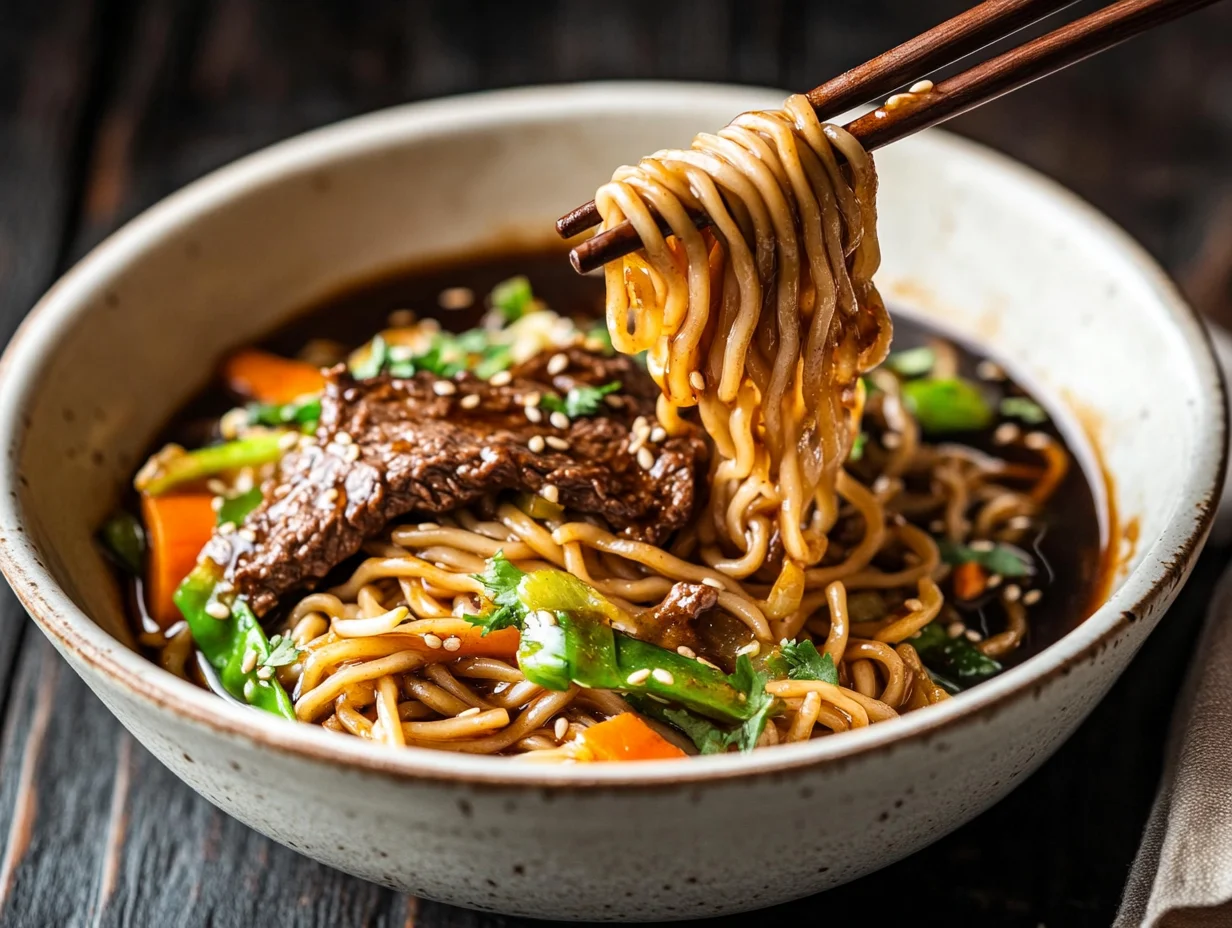
So, I hope you’ve enjoyed this journey through my favorite Beef Lo Mein recipe. The key is in the marinating—it really brings out the flavors and keeps the beef tender. Plus, the soy sauce and oyster sauce combination is what gives this dish its rich, savory taste. This recipe holds a special place in my heart because it reminds me of family dinners growing up. Every time I make it, I feel like I’m sharing a little piece of my childhood with you. I truly believe this dish will become a staple in your kitchen too. So, why don’t you give it a try? I’d love to hear how it turns out for you. What’s your go-to weeknight dinner that brings back fond memories?
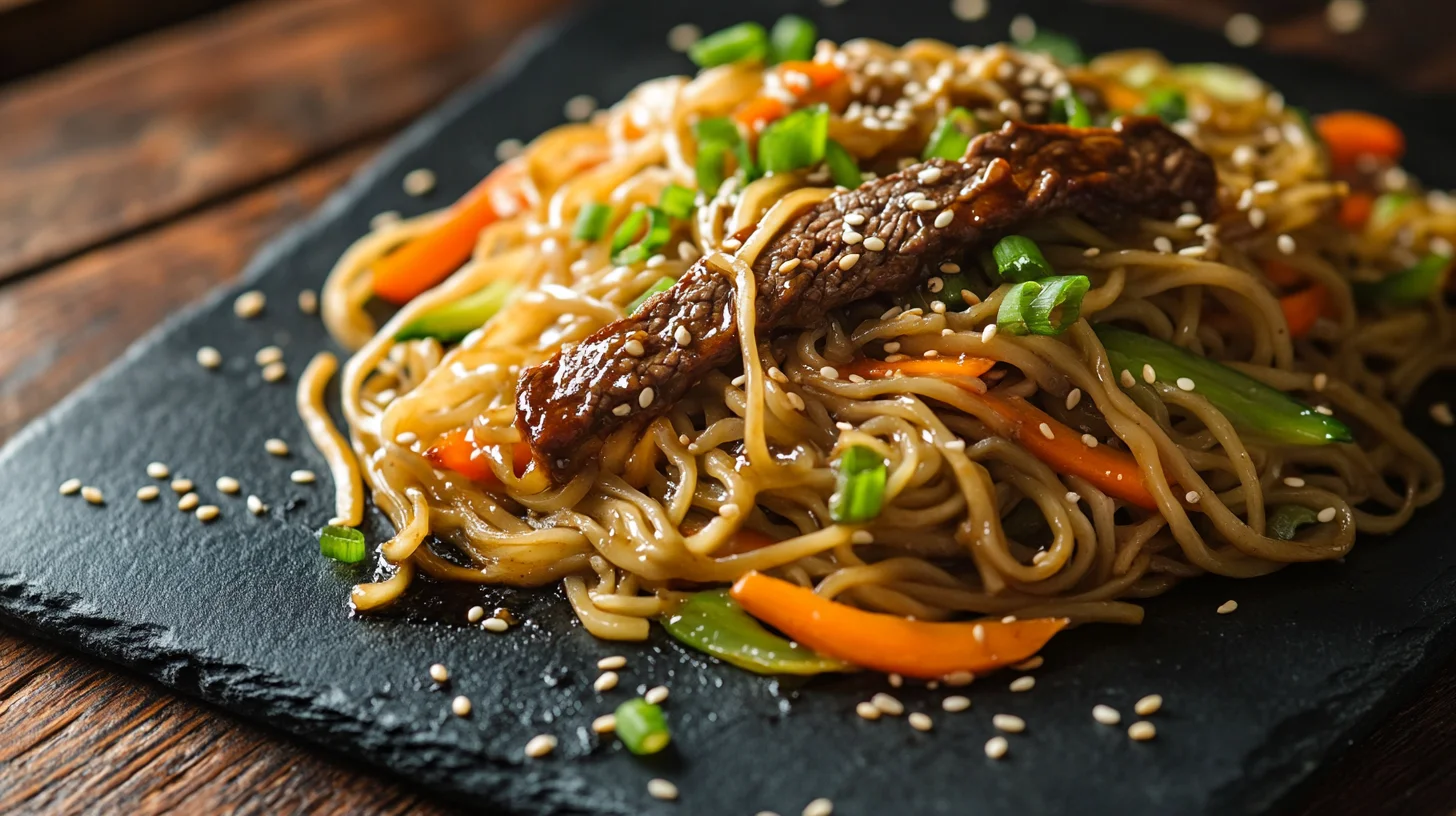
Beef Lo Mein
Ingredients
Method
- Cook the lo mein noodles according to package instructions and set aside.
- In a small bowl, whisk together soy sauce, oyster sauce (if using), and sesame oil to make the sauce.
- Heat 1 tablespoon of vegetable oil in a large skillet or wok over medium-high heat.
- Add the beef to the skillet and cook until browned, about 3-4 minutes, then remove from the skillet and set aside.
- In the same skillet, add the remaining 1 tablespoon of vegetable oil, then add the sliced onion and minced garlic and cook until the onion is translucent.
- Add the mixed bell peppers and shredded cabbage to the skillet and cook until the vegetables are tender-crisp.
- Return the cooked beef to the skillet, then pour in the sauce and stir to combine.
- Add the cooked lo mein noodles to the skillet and stir-fry everything together for about 2 minutes, until the noodles are well coated with the sauce.
Notes