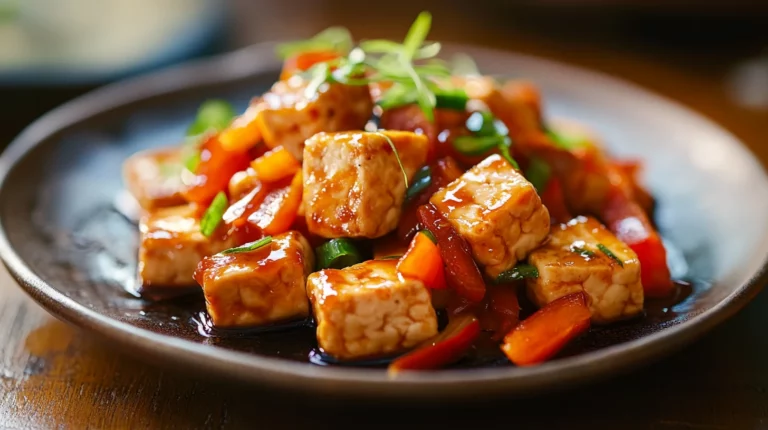
5 Easy Steps to Perfect Vegetarian Tikka Masala That Will Blow Your Mind

Have you ever caught a whiff of warm spices and creamy tomato sauce wafting through the air, making your mouth water instantly? That’s exactly what happens every time I make my Vegetarian Tikka Masala. It’s a dish that’s become a staple in my kitchen, and I’m excited to share my version with you. I first fell in love with this recipe during a cozy dinner with friends, and since then, I’ve tweaked it to perfection. It’s rich, comforting, and packed with flavor—perfect for anyone craving a hearty vegetarian meal.
In this article, I’ll walk you through 5 easy steps to create a Vegetarian Tikka Masala that’s restaurant-quality but made right at home. You’ll learn how to balance the spices, achieve that creamy texture, and customize it to your taste. Plus, I’ll share my favorite tips for pairing it with rice or naan. Whether you’re a seasoned cook or just starting out, this recipe is foolproof and guaranteed to impress.
So, grab your apron and let’s get cooking. By the end, you’ll have a dish that’s not only delicious but also a testament to how satisfying vegetarian food can be. Trust me, this one’s a keeper!
What Makes Vegetarian Tikka Masala So Special
When I first discovered vegetarian tikka masala, I honestly wasn’t sure it could compete with the traditional chicken version. If you enjoyed this, you might also like Crockpot Creamy Coconut Chicken Tikka Masala. Actually, I was completely wrong about that assumption. This plant-based adaptation has become my absolute favorite way to enjoy this beloved Indian dish, and I’m convinced it’s even better than the original.

The Perfect Protein Substitutes

Now, let me tell you about the magic of choosing the right protein substitute for your vegetarian tikka masala recipe. I’ve experimented with countless options over the years, and paneer remains my top choice for its ability to absorb all those incredible spices. The creamy texture perfectly mimics chicken while adding its own rich, dairy-forward flavor that I absolutely love.
Then there’s cauliflower, which has become my go-to for a lighter version. Actually, cauliflower tikka masala surprised me the most because those florets soak up the sauce like little flavor sponges. I also love using chickpeas when I want something heartier, or tofu when I’m making a vegan tikka masala for my plant-based friends. Each protein brings something unique to the table, but they all work beautifully with the aromatic spice blend.
Why Vegetarian Version Tastes Better
Here’s what I’ve discovered after making both versions countless times: the vegetarian adaptation actually allows the complex spice profile to shine through more clearly. Without chicken masking the flavors, you can really taste every layer of cumin, coriander, and garam masala dancing together in perfect harmony.
Plus, vegetables and plant proteins don’t release excess moisture like meat does, so my sauce stays perfectly thick and creamy every single time. I’ve noticed that the tomato base becomes more vibrant and the cream doesn’t get diluted. Actually, this consistency issue used to frustrate me when I made the traditional version, but switching to vegetarian ingredients completely solved that problem.
Health Benefits Over Traditional Recipe
The nutritional advantages of my vegetarian version make me feel so much better about enjoying this comfort food regularly. First, it’s significantly lower in saturated fat, which means I can indulge without the guilt that usually comes with heavy cream-based dishes. For more information, see Vegetarian Tikka Masala Recipe.
Actually, when I use cauliflower or chickpeas, I’m getting tons of fiber and plant-based nutrients that chicken simply can’t provide. My energy levels stay more stable after eating this version, and I don’t experience that heavy, sluggish feeling. Plus, it’s naturally lighter on calories while still being incredibly satisfying and flavorful. For more information, see Vegetarian Tikka Masala Recipe.
Step by Step Vegetarian Tikka Masala Recipe
When I first started making vegetarian tikka masala, I was amazed at how simple it was to adapt the traditional recipe. The key is in the technique and timing, which I’ve perfected over countless batches. Let me walk you through my process so you can recreate this creamy, flavorful dish at home. For more information, see Love and Lemons.
Preparing Your Vegetables
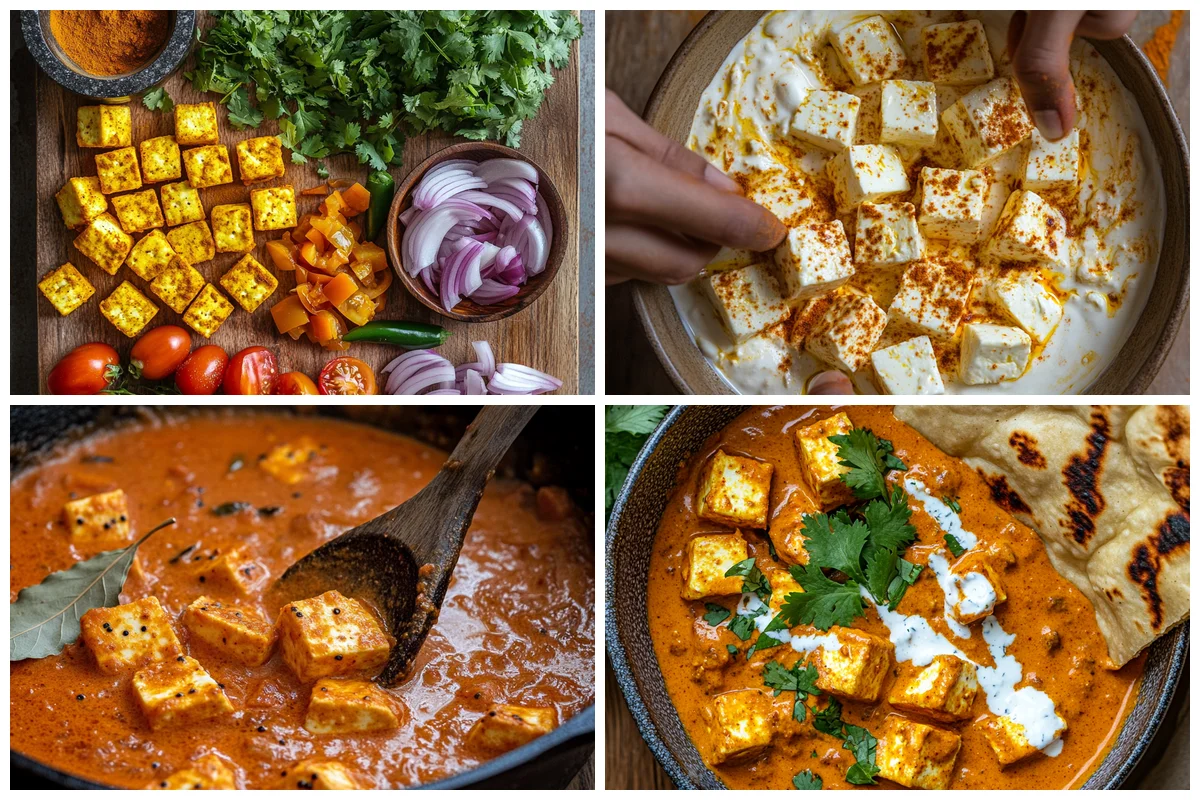
I always start by prepping my veggies because it sets the foundation for the dish. I prefer using cauliflower florets or chickpeas as the main ingredient, but you can mix and match based on what you have. First, I chop my cauliflower into bite-sized pieces or rinse and drain my chickpeas thoroughly. Then, I toss them in a mix of yogurt, garam masala, turmeric, and garlic paste. This marinade infuses so much flavor, and I let it sit for at least 20 minutes while I prep the sauce ingredients. Pro tip: don’t skip this step—it makes all the difference in flavor depth!
Building the Flavor Base
Next, I focus on building the flavor base for the sauce. I heat a bit of oil in a large pan and add finely chopped onions. I cook them until they’re golden brown, which takes about 8 minutes. Then, I add minced garlic, ginger, and a pinch of cumin seeds. The aroma at this stage is incredible! I stir in tomato puree and let it cook down until it thickens slightly. This is where I add my spices—garam masala, coriander powder, and a touch of paprika. I’ve learned that cooking the spices with the tomato base intensifies the flavors beautifully.
Combining and Simmering
Now comes my favorite part—combining everything! I add the marinated veggies to the sauce and stir well to coat them evenly. I pour in a splash of water or vegetable broth to loosen the mixture, then let it simmer on medium-low heat for about 15 minutes. During this time, the veggies absorb all those incredible flavors, and the sauce thickens to the perfect consistency. Finally, I stir in some coconut cream or heavy cream for that luxurious finish. Trust me, when you see the sauce clinging to the veggies and smell the rich aroma, you’ll know it’s ready. Serve it hot with rice or naan for a meal that’s pure comfort!

Vegetarian Tikka Masala
Ingredients
Method
- Step 1: Heat olive oil in a large skillet over medium heat. Add the onion and sauté until softened, about 5 minutes.
- Step 2: Add garlic, ginger, garam masala, cumin, turmeric, paprika, and chili powder. Cook for 1-2 minutes until fragrant.
- Step 3: Stir in the tomato paste and diced tomatoes. Cook for 5 minutes, stirring occasionally.
- Step 4: Add cauliflower florets and chickpeas to the skillet. Stir to coat them in the sauce.
- Step 5: Pour in the heavy cream or coconut milk. Stir well and bring to a simmer.
- Step 6: Cover the skillet and let it cook for 15-20 minutes, or until the cauliflower is tender.
- Step 7: Season with salt and pepper to taste. Garnish with fresh cilantro before serving.
- Step 8: Serve hot with steamed rice or naan bread.
Notes