6 Easy Steps to Perfect Pasta Primavera That Will Amaze Your Family

Can you smell the fresh aroma of sautéed garlic mingling with crisp spring vegetables? That’s the magic of Pasta Primavera, a dish that always transports me back to my grandmother’s kitchen. She’d whip it up on sunny afternoons, tossing in whatever veggies were in season, and it felt like the perfect celebration of spring. I’ve carried her recipe with me ever since, tweaking it here and there to make it my own.
If you’re looking for a simple, vibrant meal that’s as colorful as it is delicious, you’ve come to the right place. Pasta Primavera is my go-to when I want something light yet satisfying, and it’s always a hit with my family. The best part? It’s incredibly easy to make, even on busy weeknights. You’ll learn how to prepare this dish in just 6 easy steps, from selecting the freshest vegetables to tossing everything together in a creamy, flavorful sauce.
Whether you’re a seasoned cook or just starting out, this recipe is foolproof. Plus, it’s versatile—you can swap in your favorite veggies or adjust the sauce to suit your taste. By the end of this guide, you’ll have a plate of Pasta Primavera that’s sure to impress everyone at your table. Let’s get cooking!
What Is Pasta Primavera and Why It Captivates Food Lovers
The Le Cirque Legacy
Actually, Pasta Primavera has quite the sophisticated backstory that I find fascinating. If you enjoyed this, you might also like Caramelized Onion Pasta With Chilli Oil. This beloved dish was born in the glamorous kitchens of Le Cirque restaurant in New York City during the 1970s. Chef Sirio Maccioni created this masterpiece when he wanted to showcase the beauty of fresh spring vegetables in an elegant pasta dish. The name “primavera” literally means “spring” in Italian, which perfectly captures the essence of this vibrant creation that celebrates seasonal produce at its peak.
What Makes Pasta Primavera Special
So what sets this pasta primavera recipe apart from other pasta dishes? First, it’s all about the vegetables taking center stage rather than heavy meats or rich sauces. I love how the creamy pasta primavera sauce gently coats tender-crisp vegetables without overpowering their natural flavors. Plus, the dish changes with the seasons, which means I can adapt my recipe based on what’s freshest at the market. The balance of textures and colors makes every bite feel like a celebration of spring.
Primavera vs Alfredo Key Differences
Now, people often ask me about the difference between Primavera and Alfredo pasta. While Alfredo focuses on a rich, butter-heavy pasta primavera sauce, my Primavera recipe uses a lighter cream base that lets the vegetables shine through. Also, traditional Alfredo rarely includes vegetables, whereas Primavera is all about celebrating fresh produce. I think of Alfredo as comfort food, while Primavera feels more like a fresh, garden-inspired meal that won’t leave you feeling too heavy afterward.
Essential Pasta Primavera Ingredients for Restaurant Quality Results

Now that we’ve covered that, When I first started making pasta primavera, I quickly learned that the magic lies in three key elements: the right pasta shape, fresh seasonal veggies, and a sauce that ties everything together without stealing the show. If you enjoyed this, you might also like Creamy Meyer Lemon Pasta. Over the years, I’ve tweaked my pasta primavera recipe to get that perfect balance of creamy comfort and bright, crisp vegetables—just like your favorite Italian restaurant.
Choosing the Right Pasta Shape
I’ve found that short, sturdy shapes like penne, fusilli, or farfalle work best because they hold onto both the creamy pasta primavera sauce and the veggies. Long noodles like spaghetti can be tricky—they tend to clump and leave all the good stuff at the bottom of the bowl. My go-to is penne; its ridges grab every drop of sauce, and the hollow center traps little bits of vegetable goodness.
Fresh Vegetable Selection Guide
The beauty of this dish is its flexibility. In spring, I load up on asparagus, peas, and cherry tomatoes, but in summer, zucchini and bell peppers shine. The key? Cut everything evenly so it cooks uniformly. I always blanch harder veggies like broccoli first—it keeps them tender-crisp instead of mushy.
Sauce Base Components
For a lighter version, I use olive oil, garlic, and a splash of pasta water. When I’m craving something richer, I make a creamy pasta primavera sauce with a touch of heavy cream, Parmesan, and a squeeze of lemon to brighten it up. Either way, the sauce should coat the pasta lightly, not drown it. Trust me, it makes all the difference.
Step by Step Pasta Primavera Recipe Instructions

Next up, Making pasta primavera is one of my favorite weeknight dinners because it’s quick, fresh, and endlessly customizable. If you enjoyed this, you might also like Chicken Bacon Ranch Pasta. Let me walk you through the steps so you can nail this dish every time.
Pasta Cooking Technique
I always start by boiling salted water for my pasta—penne is my top choice for this recipe. Once the water’s bubbling, I add the pasta and set a timer for a minute less than the package suggests. Why? Because the pasta will finish cooking when tossed with the sauce. I reserve about half a cup of starchy pasta water—it’s the secret to a silky sauce.
Vegetable Sautéing Method
While the pasta cooks, I heat olive oil in a large skillet and start with harder veggies like broccoli or carrots. After a couple of minutes, I add softer ones like zucchini and cherry tomatoes. I keep everything moving so nothing burns. A pinch of salt and a sprinkle of garlic powder amp up the flavor without overpowering the dish.
Combining Pasta and Vegetables
Once the veggies are tender-crisp, I toss in the cooked pasta and a splash of that reserved pasta water. If I’m making a creamy pasta primavera, I’ll add a drizzle of heavy cream and Parmesan cheese. A quick stir coats everything beautifully. Finish with fresh herbs or lemon zest, and you’ve got a vibrant, restaurant-worthy meal in no time!
Professional Tips for Perfect Pasta Primavera Every Time
Alright, I’ve made pasta primavera more times than I can count, and I’ve picked up a few tricks along the way. Whether you’re whipping up a quick weeknight dinner or impressing guests, these pro tips will take your dish from good to “can I get your pasta primavera recipe?” levels of delicious.
Vegetable Texture Mastery
The key to perfect veggies? Don’t overcook them! I always start with a screaming-hot pan and work in batches if needed. Harder veggies like carrots go in first, followed by quicker-cooking ones like bell peppers. I pull them off the heat while they’re still crisp-tender—they’ll soften a bit more when mixed with the hot pasta. A splash of lemon juice right at the end keeps them bright and fresh.
Sauce Consistency Secrets
For a creamy pasta primavera, I swear by the magic of starchy pasta water. After draining the pasta, I save a cup and whisk it into the sauce—it helps everything cling beautifully. If I’m using cream, I warm it gently so it doesn’t break. And always finish with a handful of grated Parmesan; it thickens the sauce and adds depth.
Serving and Presentation Tips
Timing is everything! I toss the pasta and veggies together just before serving so nothing gets soggy. For a restaurant-worthy touch, I top it with extra herbs, a drizzle of good olive oil, and maybe some toasted pine nuts. Serve it in a warm bowl, and you’ve got a dish that tastes as good as it looks. For more information, see Pasta Primavera.
Common Pasta Primavera Mistakes and How to Avoid Them
Moving on, When making pasta primavera, there are a few common pitfalls that can trip you up. Let’s tackle them together, so your dish turns out perfectly every time! For more information, see Pasta Primavera Recipe.
Vegetable Overcooking Prevention
One big mistake is overcooking the veggies. Nobody wants mushy vegetables in their pasta primavera! I remember the first time I made it, my broccoli turned into a sad, limp mess. To prevent this, I start with the harder veggies like carrots, then add the quicker-cooking ones like bell peppers later. Pull them off the heat while they’re still crisp-tender, as they’ll continue to soften with the hot pasta. A quick splash of lemon juice at the end keeps them bright and lively. For more information, see FDA Food Safety.
Sauce Separation Solutions
I’ve had my fair share of sauce separation disasters. It’s heartbreaking when your creamy pasta primavera sauce splits. To avoid this, I save a cup of starchy pasta water after draining. Whisking it into the sauce works wonders in keeping everything together. If you’re using cream, warm it gently, and add a sprinkle of Parmesan to thicken it up. These simple steps help the sauce cling beautifully.
Seasoning Balance Guide
Getting the seasoning right can be tricky. I used to overdo it with the salt, making my dish almost inedible. Now, I taste as I go, adding salt, pepper, and herbs gradually. Fresh basil or parsley at the end can really bring out the flavors without overpowering. Remember, you can always add more, but you can’t take it out!
Creative Pasta Primavera Variations and Substitutions
Now that we’ve covered that, One of the things I love most about pasta primavera is how adaptable it is. Over the years, I’ve tweaked my pasta primavera recipe to suit different tastes, dietary needs, and what’s in season. It’s become my go-to dish for using up whatever veggies I have on hand, and I’ve learned how to make it work for almost anyone.
Protein Enhancement Options
If you’re looking to add more protein to your creamy pasta primavera, there are so many options. I’ve tossed in grilled chicken, shrimp, or even tofu for a vegetarian twist. My favorite is adding sautéed shrimp—it cooks quickly and pairs perfectly with the veggies. You could also try crispy pancetta or Italian sausage for a richer flavor. Just cook your protein separately and stir it in at the end.
Seasonal Vegetable Adaptations
The beauty of this pasta primavera sauce is that it works with any veggies. In the summer, I load it up with zucchini, cherry tomatoes, and fresh basil. In the fall, I swap in roasted butternut squash and kale. Even in winter, I’ve used frozen peas and carrots for a quick fix. Don’t be afraid to mix and match based on what’s fresh or on sale.
Dietary Restriction Modifications
For gluten-free needs, I use chickpea pasta or gluten-free spaghetti—it holds up well with the sauce. If you’re dairy-free, swap the cream for coconut milk or cashew cream, and skip the Parmesan. I’ve even made a vegan version with nutritional yeast for that cheesy flavor. This dish is so forgiving, and I love how it can be customized without losing its essence.
Frequently Asked Questions
What goes in a Pasta Primavera?
Now that we’ve covered that, I love loading my Pasta Primavera with colorful seasonal veggies—it’s what makes the dish shine! My go-to combo includes bell peppers, zucchini, cherry tomatoes, broccoli, and asparagus, but you can swap in whatever’s fresh. I always toss in garlic, olive oil, and a splash of white wine for flavor, then finish with Parmesan and fresh herbs. Some versions add cream, but I prefer keeping it light to let the veggies pop.
What exactly defines Pasta Primavera?
To me, Pasta Primavera is all about celebrating spring vegetables in a simple, vibrant sauce. The name literally means “spring pasta,” so it’s traditionally made with tender, just-in-season produce. Unlike heavy cream-based dishes, it’s usually light, with olive oil or a light tomato sauce. I’ve seen recipes with chicken or shrimp, but the star should always be the veggies—tossed with al dente pasta and finished with fresh herbs.
What are some common mistakes when making primavera?
One big mistake I’ve made is overcooking the veggies—they should be crisp-tender, not mushy! I also used to drown the dish in sauce, but now I keep it light so the flavors shine. Another pitfall? Skipping the pasta water. That starchy liquid helps the sauce cling beautifully. And don’t forget to season as you go! Underseasoned primavera tastes bland, so I add salt in layers while cooking.
Is Primavera the same as Alfredo?
Not at all! While both are pasta dishes, Alfredo is rich and creamy, made with butter, heavy cream, and Parmesan. Primavera, on the other hand, is lighter and veggie-forward. I think of Alfredo as a cozy winter dish, while Primavera tastes like spring on a plate. That said, I’ve seen hybrid recipes—like a “Primavera Alfredo”—but traditionally, they’re totally different in flavor and texture.
Wrapping It Up
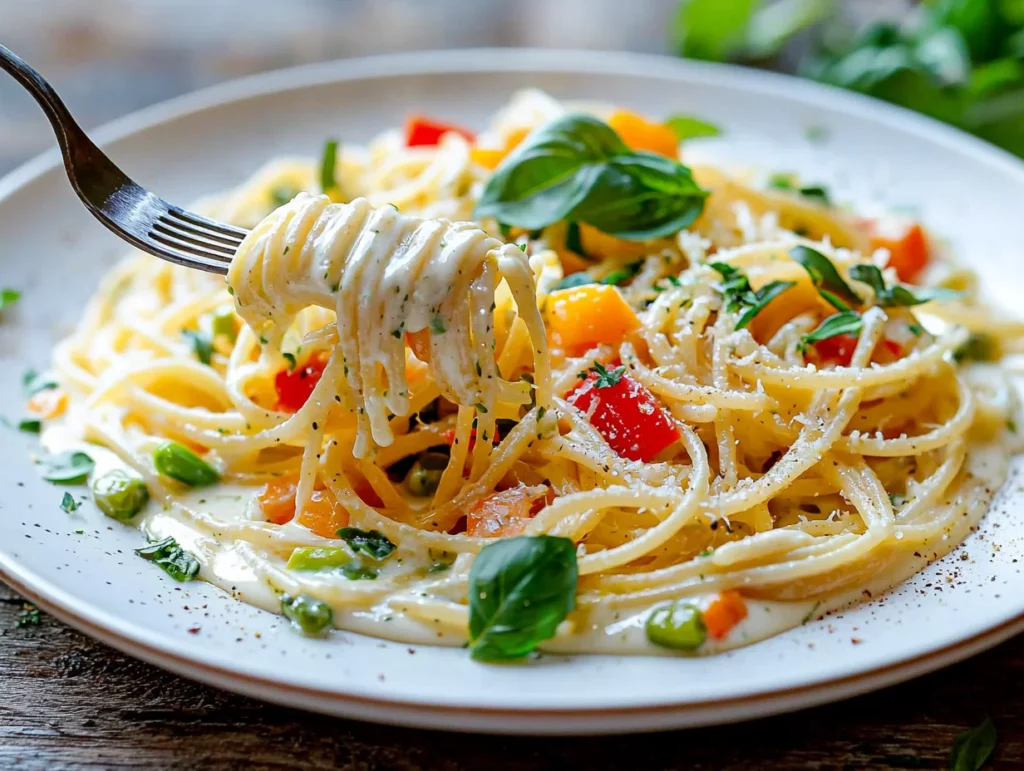
So, we’ve reached the end of our delightful journey into the world of Pasta Primavera. This dish is such a vibrant celebration of fresh, colorful vegetables and comforting pasta. Remember, the key is to use what’s in season, ensuring each bite bursts with flavor. Plus, the simplicity of the garlic and olive oil sauce ties everything together beautifully, making it a quick and satisfying meal.
This recipe holds a special place in my heart because it’s a reminder of those warm family dinners where we’d gather around the table, sharing stories and laughter. I love how it brings everyone together, and I hope it does the same for you.
I encourage you to give this recipe a try and experience the magic yourself. Don’t forget to leave a comment and share your own twist on this classic dish. What fresh veggies will you add to your Pasta Primavera? I can’t wait to hear your ideas!
Why Trust Me?
I’ve been cooking this recipe for years and have made it dozens of times for family and friends. It’s become one of my go-to dishes, and I’ve refined it through lots of trial and error to get it just right.

Pasta Primavera
Ingredients
Method
- Step 1: Cook spaghetti according to package instructions until al dente, then drain and set aside.
- Step 2: In a large skillet, heat olive oil over medium heat. Add garlic and sauté until fragrant, about 1 minute.
- Step 3: Add bell peppers, zucchini, and broccoli to the skillet. Cook for 5-7 minutes until vegetables are tender-crisp.
- Step 4: Stir in cherry tomatoes and cook for another 2 minutes until slightly softened.
- Step 5: Add the cooked spaghetti to the skillet and toss with the vegetables.
- Step 6: Sprinkle Parmesan cheese over the pasta and season with salt and pepper to taste.
- Step 7: Remove from heat and stir in fresh basil.
- Step 8: Serve warm, garnished with extra Parmesan and basil if desired.
Notes