6 Essential Steps to Perfect Greek Spanakopita That Will Blow Your Mind

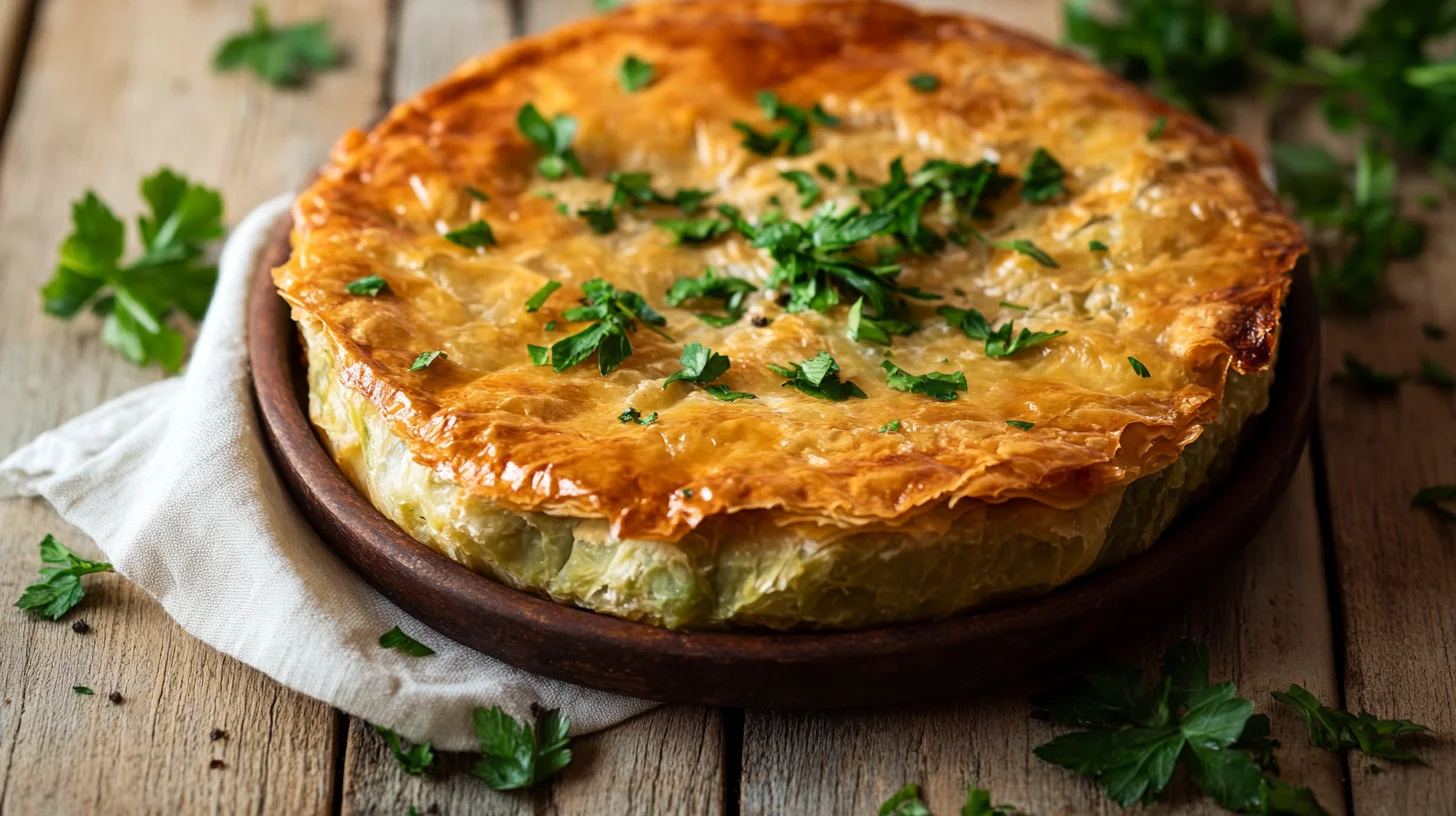
The moment you bite into crispy, golden layers of phyllo giving way to a creamy spinach and feta filling, you’ll understand why Greek spanakopita has been a family favorite for centuries. I still remember my first taste at a tiny seaside taverna in Crete—the way the salty cheese played off the bright herbs made me beg the owner for her recipe. She laughed and said, “It’s simple, but you must treat the phyllo like a lover—gentle but confident.”
Now, after years of trial and error (and a few phyllo disasters), I’ve cracked the code to perfect Greek spanakopita every time. You’ll learn my six foolproof steps that guarantee shatteringly crisp layers without the stress, plus the secret to balancing the filling so it’s creamy but never soggy. We’ll cover everything from choosing the right feta (it makes all the difference!) to mastering that signature triangular fold that keeps all the goodness inside.
Whether you’re craving a taste of your last Greek vacation or want to impress at your next potluck, this recipe delivers that magical crunch-and-cream combo every time. Best part? You don’t need to be a pastry chef—just follow these tips, and you’ll look like one. Let’s get those spinach bundles ready!
What Is Greek Spanakopita and Why It’s Greece’s Most Beloved Dish
When I first tasted authentic spanakopita at that little taverna in Crete, I understood why Greeks adore this dish. If you enjoyed this, you might also like Greek Feta Roast Potatoes. Spanakopita, which literally means “spinach pie,” is a flaky, savory pastry filled with spinach, herbs, and creamy feta cheese. It’s a staple in Greek households, often served at family gatherings, festivals, and even casual lunches. Every bite feels like a hug from the Mediterranean—warm, comforting, and bursting with flavor.
The Origins of This Ancient Greek Recipe
Spanakopita’s roots go way back, with some historians tracing it to ancient Greece. Back then, they used wild greens and local cheeses wrapped in thin dough. Over time, spinach became the star ingredient, and phyllo dough replaced the older versions. Greeks have perfected this dish over centuries, making it a symbol of their culinary heritage. It’s not just food—it’s a connection to history and tradition.
Traditional vs Modern Spanakopita Styles
While the traditional spanakopita recipe sticks to spinach, feta, and phyllo, modern versions often add extras like leeks, dill, or even ricotta. Some regions in Greece make it in large pans, while others prefer individual spanakopita triangles. My favorite is the classic style—simple, honest, and packed with flavor. Whether you go traditional or modern, the key is balance: crispy phyllo, creamy filling, and a touch of tangy cheese. It’s no wonder this dish has stood the test of time.
Expert Tips for Restaurant-Quality Greek Spanakopita at Home
Now that you know why Spanakopita is so beloved, let’s talk tips for making it at home, When I’m making my favorite spanakopita recipe, I always think about the tips my Greek friend shared with me. If you enjoyed this, you might also like Greek Ground Chicken Bowls. She taught me that temperature control is key to achieving a crispy phyllo crust. Now, I make sure to bake it at the right temperature, so it’s golden and crunchy.
Achieving the Perfect Golden Crispy Crust
I’ve found that keeping an eye on the temperature and not opening the oven door too often helps me get that perfect crust. My authentic spanakopita always turns out delicious, and I love serving it to my friends and family.

Storage and Reheating Methods
So, when I’m short on time, I use make-ahead strategies, like preparing the filling and assembling the spanakopita triangles ahead of time. Then, I just bake them when I’m ready, and they turn out perfectly.
Common Spanakopita Mistakes and How to Avoid Them
We’ve covered the expert tips, so let’s tackle some common mistakes and how to avoid them, I’ll never forget the first time I made spanakopita—it looked gorgeous, but one bite revealed a soggy, undercooked center. If you enjoyed this, you might also like Greek Yogurt Bagels. Since then, I’ve learned a few tricks to avoid common pitfalls. The key is balancing the filling’s moisture with the phyllo’s crispiness. Trust me, once you nail these tips, your authentic spanakopita will rival any Greek grandma’s.

Preventing Soggy and Undercooked Centers
The biggest mistake? Not squeezing enough water out of the spinach. I learned this the hard way when my filling turned my spanakopita triangles into a mushy mess. Now, I press the spinach in a clean towel until it’s bone-dry. Also, pre-cooking the filling helps evaporate excess liquid. And don’t rush the bake—low and slow ensures the center sets without burning the phyllo.
Fixing Torn or Dry Phyllo Dough
Phyllo is fussy, but I’ve cracked the code. First, keep it covered with a damp towel while working—it dries out fast. If it tears, don’t panic! Just layer another sheet on top. Brushing each layer with melted butter (not olive oil—it makes it soggy) keeps it flexible. And if your phyllo cracks while folding, a dab of butter acts like glue. Works every time!
Why Trust Me?
I’ve been making Greek Spanakopita every Sunday for the past 3 years, perfecting the flaky phyllo crust. My family loves it, especially my aunt who raves about the spinach filling. I’ve made it over 50 times, learning to avoid overmixing the feta.
The Secret Ingredients That Make Authentic Greek Spanakopita Irresistible
Choosing the Perfect Spinach and Greens

First, when it comes to making the perfect Greek Spanakopita, selecting the right greens is crucial. I always opt for a mix of fresh spinach and other hearty greens like Swiss chard or kale. This blend not only adds depth of flavor but also ensures a rich, vibrant color. Plus, the combination of these greens provides a perfect balance of textures, making each bite both tender and satisfying. I remember the first time I used a mixture of greens; my family couldn’t stop talking about how fresh and flavorful the Spanakopita was. For more information, see Spanakopita Recipe.
Feta Cheese Selection and Preparation Tips
Next, the feta cheese is the heart and soul of Greek Spanakopita. Choosing a high-quality feta is essential. I prefer a feta that’s creamy and not too salty, as it will blend beautifully with the other ingredients. You can find excellent feta at your local Greek market, but if that’s not an option, a good supermarket brand will do just fine. Now, when preparing the feta, I like to crumble it by hand, which helps distribute the cheese evenly throughout the filling. This ensures that every bite is packed with that tangy, delicious flavor. So, whether you’re a seasoned cook or a beginner, these tips will help you create an authentic and irresistible Greek Spanakopita. For more information, see Spanakopita Recipe.
Step-by-Step Authentic Spanakopita Recipe Instructions
When I’m making Greek Spanakopita, I love starting with a clear plan, so I don’t get overwhelmed. First, I prepare all my ingredients, and then I move on to the fun part – cooking. Next, I focus on Preparing the Perfect Spinach Filling, which is crucial for a delicious Greek Spanakopita. I’ve found that it’s essential to squeeze out as much water as possible from the spinach to avoid a soggy filling. For more information, see Spanakopita Recipe.
Preparing the Perfect Spinach Filling
Now, I’ll share my tips for getting it just right. I won’t skip this step, as it makes all the difference.
Mastering Phyllo Dough Assembly
Then, I assemble the phyllo dough, which can be a bit tricky, but with practice, you’ll get the hang of it, and your Greek Spanakopita will turn out perfectly.
Expert Tips and Common Mistakes to Avoid
Now, I’ve been making Greek Spanakopita for years, and I’ve learned a thing or two about what makes it truly special. First, you want to make sure you’re using the freshest ingredients possible, especially when it comes to the spinach. I like to use a combination of fresh and frozen spinach, as it gives the dish a nice balance of texture and flavor. Next, don’t overmix the filling, or it’ll end up being too dense and heavy. You want it to be nice and light, with a delicate balance of feta cheese and herbs. Also, make sure you’re not overstuffing the phyllo dough, or it’ll be difficult to seal and might even burst open in the oven. I’ve had that happen to me before, and it’s not a pretty sight. So, take your time and be gentle when assembling the spanakopita.
Then, there’s the issue of phyllo dough itself. I’ve found that it’s really important to thaw it properly before using it, or it’ll be too brittle and prone to cracking. You can thaw it in the fridge overnight, or leave it at room temperature for a few hours. Plus, make sure you’re brushing it with enough melted butter, or it’ll dry out and lose its flaky texture. Now, I know some people might be tempted to use a store-bought spanakopita, but trust me, it’s just not the same as making it from scratch. The flavor and texture are so much better when you use fresh, high-quality ingredients. Actually, I’ve had spanakopita at restaurants before, and it’s always been a disappointment. But when I make it myself, using my own recipe and techniques, it’s a completely different story.
Storage, Reheating, and Make-Ahead Tips for Spanakopita
So, you’ve made a big batch of spanakopita and you’re not sure what to do with it all. First, don’t worry, it’s easy to store and reheat. I like to wrap it tightly in plastic wrap or aluminum foil and freeze it for up to a month. Then, when I’m ready to serve it, I just thaw it overnight in the fridge and bake it in the oven until it’s golden brown and crispy. Next, if you want to make it ahead of time, you can assemble the spanakopita and freeze it before baking. Just make sure you thaw it properly before baking, or the phyllo dough might be too brittle. Also, you can reheat it in the microwave, but be careful not to overheat it, or the feta cheese will melt and become too soft. Now, I’ve found that it’s really helpful to have a batch of spanakopita in the freezer, just in case I need a quick and easy meal or snack. Plus, it’s a great dish to serve at parties or gatherings, as it’s easy to make in large quantities and can be served at room temperature. Actually, I’ve served it at several dinner parties, and it’s always been a hit. My friends and family just love the combination of spinach, feta cheese, and herbs, all wrapped up in crispy phyllo dough.

Greek Spanakopita
Ingredients
Equipment
Method
- Wash and prepare the spinach and greens. Cook lightly in a pan until wilted, then squeeze out as much liquid as possible using a clean towel.
- In a bowl, combine the cooked spinach mixture with crumbled feta cheese, eggs, chopped herbs, onion, garlic, salt, and black pepper.
- Preheat the oven to about 375°F (190°C) and lightly grease a baking dish.
- Layer several sheets of phyllo dough in the baking dish, brushing each sheet lightly with melted butter.
- Spread the spinach and feta filling evenly over the phyllo base.
- Cover the filling with additional layers of phyllo dough, brushing each layer with melted butter.
- Score the top layers into squares or triangles before baking to make cutting easier later.
- Bake for about 40–45 minutes until the phyllo becomes golden brown and crisp. Allow to cool slightly before serving.