
Amazing Baked Cajun Salmon: 5 Simple Steps

If you’ve ever wanted to spice up your dinner routine, Baked Cajun Salmon is the dish you need to try. There’s a certain magic that happens when succulent salmon meets the bold flavors of Cajun spices. It’s like a party in your mouth, and everyone’s invited. Whether you’re a culinary novice or a seasoned home cook, this Baked Cajun Salmon recipe is your golden ticket to a quick and delicious meal with minimal fuss.
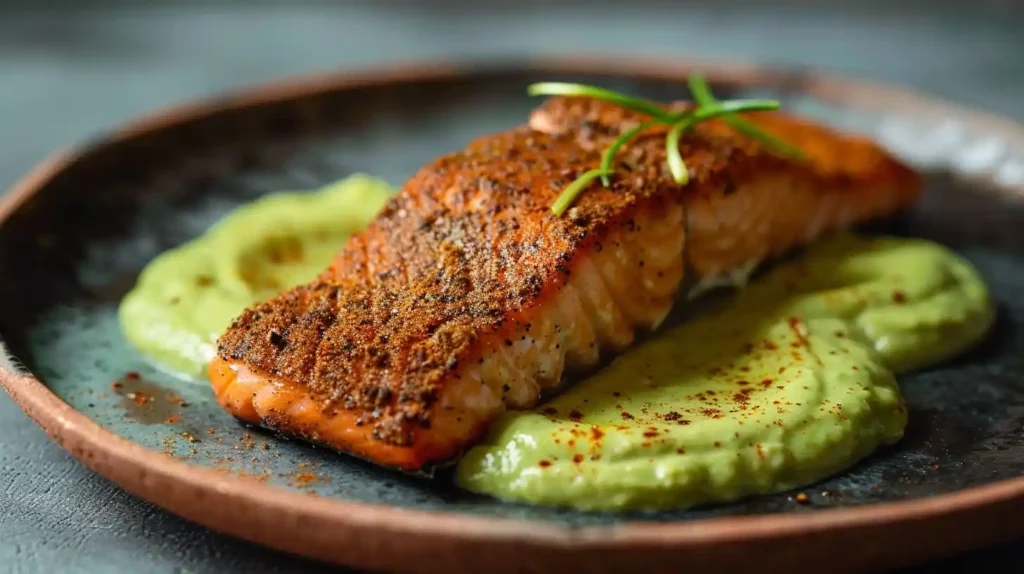
I’ve always had a penchant for dishes that deliver a punch of flavor without requiring a ton of effort. This Baked Cajun Salmon does just that. Imagine tender flaky salmon enveloped in a medley of spicy, smoky, and slightly sweet Cajun seasonings. It’s the kind of dish that makes you look like you’ve spent hours in the kitchen, but in reality, you were probably binge-watching your favorite show while it was in the oven.
The Secret Behind Perfect Baked Cajun Salmon
So, what makes this Baked Cajun Salmon so incredibly irresistible? For starters, it’s all about the seasoning—Cajun spices are a blend of paprika, garlic powder, onion powder, cayenne pepper, oregano, and thyme. These spices transform the humble salmon into a taste sensation that’s spicy, savory, and utterly addictive. For more ideas, check out our guide on Gourmet Baked Mac and Cheese with a Crunch. Cajun cuisine is renowned for its bold flavors, and this dish is no exception.
The cooking technique is equally important. Baking the salmon ensures it remains moist and tender. Gone are the days of dry, overcooked fish. With Baked Cajun Salmon, you get the perfect flaky texture every time. Oh, and let’s not forget the convenience factor—it’s one of those dishes where the oven does all the heavy lifting.
It’s perfect for those weeknights when you want something tasty but don’t feel like putting in too much effort. Plus, the leftovers (if there are any!) make for a great lunch the next day. Have you ever wanted to impress a dinner guest with minimal effort? This dish is your secret weapon. They’ll think you’re a gourmet chef!
Ingredients

- 4 salmon fillets
- 2 tablespoons olive oil
- 2 tablespoons Cajun seasoning
- 1 lemon, sliced
- Salt and pepper to taste
- Fresh parsley for garnish
Instructions
- Preheat your oven to 400°F (200°C). Line a baking sheet with parchment paper.
- Place the salmon fillets on the prepared baking sheet. Drizzle them with olive oil, then generously sprinkle the Cajun seasoning over each fillet.
- Add a pinch of salt and pepper, to taste. Arrange lemon slices on top of each salmon fillet for added flavor.
- Bake in the preheated oven for about 12-15 minutes, or until the salmon is opaque and flakes easily with a fork.
- Remove from the oven and garnish with fresh parsley before serving.
Storage Tips for Baked Cajun Salmon
Proper storage is the key to keeping your Baked Cajun Salmon fresh for later enjoyment. Allow the salmon to cool completely before storing it in an airtight container. You can keep it in the refrigerator for up to 3 days.
To reheat, place the salmon in a preheated oven at 350°F (175°C) for about 5-7 minutes. This helps maintain its moist texture. Avoid using the microwave, which can cause it to dry out. If you’re planning to freeze, wrap the salmon tightly in plastic wrap, then foil, and it should last for up to a month in the freezer.
Top 5 Benefits of Baked Cajun Salmon You Can’t Ignore
- Rich in Omega-3 fatty acids, Baked Cajun Salmon supports heart health and brain function. This nutrient-packed meal is good for your body and taste buds.
- The bold Cajun spices offer anti-inflammatory benefits, thanks to ingredients like cayenne and paprika.
- This dish is super high in protein, making it an excellent choice for those looking to maintain or build muscle.
- Baked Cajun Salmon is a low-carb and gluten-free meal, making it suitable for various dietary needs.
- Salmon oil benefits include improving your skin health, giving you that healthy glow.
Common Mistakes to Avoid When Making Baked Cajun Salmon
- Overcooking: Keep an eye on the oven timer. Salmon cooks quickly, so check for doneness to avoid dry fish.
- Under-seasoning: Don’t be timid with those Cajun spices. The seasoning is what brings the dish to life.
- Forgetting the lemon slices: They add an essential burst of freshness to balance the bold spices.
- Not using parchment paper: It prevents the salmon from sticking to the baking sheet and makes cleanup a breeze.
Alternatives and Variations for Baked Cajun Salmon
While the classic Baked Cajun Salmon is a winner, sometimes it’s fun to switch things up. Here are some delicious alternatives and variations:
- Blackened Salmon: For an extra crispy crust, try pan-searing the Cajun-seasoned salmon before finishing it in the oven.
- Sweet and Spicy: Add a drizzle of honey to the Cajun seasoning for a sweet twist that balances the heat.
- Herb-Infused Variation: Mix fresh dill or chives into the Cajun seasoning for a fresh herbal flavor.
- Low-Sodium Alternative: Use a homemade Cajun seasoning with reduced salt for a heart-healthy version.
Pro Tips for Success
- Check salmon at the 12-minute mark to avoid overcooking; salmon dries quickly if baked too long.
- Choose fillets of similar thickness so they cook evenly.
- Press the seasoning into the salmon for a more flavorful crust.
- Blend the sauce until completely smooth to achieve a restaurant-quality texture.
- Add a splash of water or olive oil to thin the sauce if it becomes too thick.
- For extra crisp edges, finish the salmon under the broiler for 1 minute.
Flavor Variations
- Honey Cajun Salmon: Add a teaspoon of honey before baking for a sweet-heat glaze.
- Citrus Cajun Salmon: Add orange zest to the seasoning for brightness.
- Avocado Cilantro Ranch: Add dill and extra yogurt for a ranch-style version of the sauce.
- Spicy Chipotle Sauce: Replace jalapeño with chipotle in adobo for smoky heat.
- Herb Cajun Twist: Add thyme or oregano for an earthy Cajun variation.
Serving Suggestions
This Baked Cajun Salmon pairs wonderfully with a variety of sides. You can serve it over rice bowls, quinoa, roasted vegetables, or crisp salads.
For a lighter dinner, plate it with steamed broccoli or asparagus. For something heartier, add sweet potatoes or coconut-lime rice.
The creamy avocado lime sauce also works as a dip, dressing, or topping for tacos and roasted vegetables.
Storage and Freezing Instructions
Store leftover salmon in an airtight container in the refrigerator for up to three days. Reheat it gently at a low temperature to maintain moisture.
The avocado lime sauce is best eaten fresh but can be refrigerated for up to one day with a piece of plastic wrap pressed directly against the surface to prevent browning.
Freezing the sauce is not recommended due to the avocado base, which can become grainy.
Salmon can be frozen, but the spicy crust may soften slightly when thawed.
Nutrition Facts (Per Serving)
These values are approximate and based on typical portions.
- Calories: About 380 per serving.
- Protein: Around 33 grams.
- Carbohydrates: About 6 grams.
- Fat: Around 25 grams.
- Fiber: About 3 grams.
- Sodium: Around 320 milligrams.
Frequently Asked Questions
Find answers to common questions
Final Thoughts on Baked Cajun Salmon
Baked Cajun Salmon is more than just a meal; it’s an experience that delights the senses and satisfies cravings for something bold and flavorful. Whether you’re hosting a dinner party or looking to elevate your weeknight dinners, this recipe guarantees culinary success with minimal effort.
Try it out, and you might just find yourself making it a regular part of your meal rotation. Don’t forget to share your culinary masterpiece with friends and family—because nothing brings people together like a delicious plate of Baked Cajun Salmon. For more on healthy cooking practices, check out this resource on healthy cooking.
PrintAmazing Baked Cajun Salmon: 5 Simple Steps
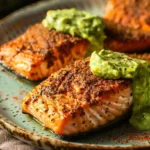
Baked Cajun Salmon is the bold, flavorful dinner recipe your weeknight routine has been missing. Juicy, tender salmon meets spicy Cajun seasoning in this easy oven-baked meal.
- Prep Time: 5 minutes
- Cook Time: 15 minutes
- Total Time: 20 minutes
- Yield: 4 servings
- Category: Main Course
- Method: Baked
- Cuisine: Cajun
Ingredients
4 salmon fillets
2 tablespoons olive oil
2 tablespoons Cajun seasoning
1 lemon, sliced
Salt and pepper to taste
Fresh parsley for garnish
Instructions
1. Preheat oven to 400°F (200°C). Line a baking sheet with parchment paper.
2. Place salmon fillets on the sheet. Drizzle with olive oil and sprinkle Cajun seasoning generously.
3. Add salt and pepper to taste. Top each fillet with lemon slices.
4. Bake for 12-15 minutes or until salmon flakes easily with a fork.
5. Remove and garnish with fresh parsley before serving.
Notes
Reheat salmon in the oven at 350°F for 5–7 minutes to retain moisture.
Store in an airtight container in the fridge for up to 3 days.
For added crispiness, broil salmon for the last minute.