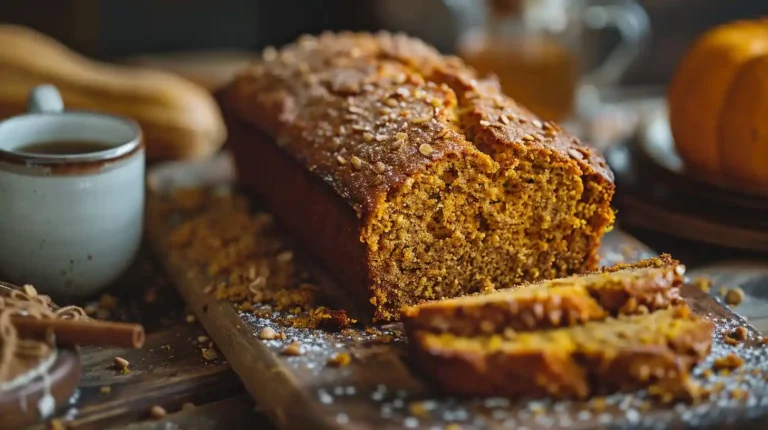
6 Secrets to Perfect Starbucks Copycat Lemon Loaf That Actually Works

There’s something irresistible about that first bite of Starbucks lemon loaf—the tender crumb, the bright citrus punch, and that sweet-tart glaze that sticks to your fingers. I’ve lost count of how many times I’ve tried to recreate it at home, only to end up with dry cake or lackluster flavor. After dozens of batches (and a few near-disasters), I finally cracked the code for a Starbucks copycat lemon loaf that’s every bit as good as the original—maybe even better.
The secret? It’s all in the details. I’ve learned that getting the texture just right requires a specific mixing method, and the glaze needs the perfect balance of tang and sweetness.
“The key to that signature Starbucks moistness? Sour cream. It adds richness without making the loaf heavy,” says my baker friend Sarah, who helped me fine-tune this recipe.
In this guide, I’ll walk you through the six game-changing tricks I’ve picked up, from zesting lemons the right way to nailing the glaze consistency. You’ll learn why room-temperature ingredients matter, how to avoid overmixing, and my hack for extra-lemon flavor without bitterness. Whether you’re craving that nostalgic Starbucks treat or just want a foolproof lemon loaf recipe, this one’s a winner. Let’s bake!
What is Starbucks Copycat Lemon Loaf?
After perfecting the texture and glaze in my homemade lemon loaf, I realized why the Starbucks version has such a devoted following. If you enjoyed this, you might also like Lemon Tahini White Bean Caesar Salad. It’s not just a cake—it’s a nostalgic treat that balances tangy lemon flavor with a tender, moist crumb. The Starbucks lemon loaf is famously dense yet soft, with a sticky-sweet glaze that crackles slightly on top. It’s the kind of dessert you crave with your morning coffee or as an afternoon pick-me-up.
What makes it so special? It’s the perfect blend of simplicity and indulgence. Unlike other lemon cakes that can be dry or overly sweet, the Starbucks version hits all the right notes. That’s why I’ve worked hard to recreate it at home, so you can enjoy it anytime without the coffee shop price tag.
Characteristics of a Lemon Loaf
A great lemon loaf should be moist, flavorful, and balanced. The crumb should be tight but tender, and the lemon flavor should shine without being overpowering. I’ve found that using fresh lemon zest and juice is key to achieving that bright, citrusy taste. The glaze is equally important—it should be tangy, sweet, and slightly glossy, adding a final layer of flavor and texture.
“The magic of a good lemon loaf is in the balance,” says my friend Sarah, a pastry chef. “Too much lemon can be bitter, but too little makes it bland.”
The Starbucks version nails this balance, which is why so many people love it. It’s no wonder there’s such a demand for copycat recipes—everyone wants to recreate that perfect bite at home.
Why This Lemon Loaf Recipe Works
Creating a perfect Starbucks copycat lemon loaf at home isn’t just about saving money—it’s about capturing that exact balance of moisture and citrus brightness that makes their version so irresistible. If you enjoyed this, you might also like Creamy Meyer Lemon Pasta. I’ve spent countless hours perfecting this recipe, and I can tell you that the secret lies in understanding what makes a great lemon loaf truly special.
Benefits of Homemade Baking
Making your own lemon loaf gives you complete control over every ingredient that goes into your cake. I love knowing exactly what’s in my family’s food, especially when my daughter has dietary restrictions. Plus, you’ll save about $3 per slice compared to buying at Starbucks! The satisfaction of pulling a perfectly golden loaf from your own oven can’t be beat. When friends ask for my recipe after tasting it, I always tell them it’s actually easier than they think. The smell alone will have your whole house smelling like a bakery.
Characteristics of a Lemon Loaf
A proper lemon loaf should have a tender crumb that’s moist but not dense, with bright lemon flavor that doesn’t overpower the cake itself. I’ve learned that fresh lemon zest is absolutely crucial—bottled juice just won’t give you that aromatic punch. The glaze needs to be thick enough to coat the loaf but thin enough to soak slightly into the surface. My version creates those beautiful cracks on top, just like the original. The texture should be somewhere between a pound cake and a muffin—sturdy enough to slice cleanly but soft enough to practically melt in your mouth.
Ingredients Needed for the Best Lemon Loaf
That perfect balance of tender crumb and bright lemon flavor I mentioned earlier? It all starts with quality ingredients. If you enjoyed this, you might also like Lemon Cream Chia Pudding. Over the years, I’ve tweaked my Starbucks copycat lemon loaf recipe to nail that signature texture and taste. The secret isn’t just in the method—it’s in choosing the right components.

Key Ingredients Explained
You’ll need all-purpose flour for structure, but don’t pack it—I fluff mine with a fork before measuring. Granulated sugar sweetens the loaf, while sour cream (or Greek yogurt) keeps it moist. Fresh lemons are non-negotiable; I use both zest and juice for maximum flavor. Eggs should be room temperature to help the batter emulsify properly.
“Always zest your lemons before juicing—it’s way easier to grate a whole fruit!” — my mom, who taught me this recipe
For variations, try adding poppy seeds or a dash of vanilla extract. Just don’t skip the lemon glaze—it’s what makes this homemade lemon loaf taste like the real deal.
Step-by-Step Guide to Making Lemon Loof
Now that you’ve got your ingredients prepped, let’s dive into making this homemade lemon loaf that tastes just like Starbucks’. First, preheat your oven to 350°F and grease a loaf pan—I like to use butter and a dusting of flour to prevent sticking. In a bowl, whisk together the dry ingredients: flour, baking powder, and a pinch of salt. In another bowl, cream the butter and sugar until fluffy, then add eggs one at a time. Mix in sour cream, lemon zest, and lemon juice for that bright, tangy flavor. Gradually fold in the dry ingredients until just combined—don’t overmix!

Baking Tips for Success
I find that baking this lemon loaf recipe for 50-55 minutes works best, but check it at 45 minutes with a toothpick. If it comes out clean, it’s done. Let it cool in the pan for 10 minutes, then transfer it to a wire rack. For more information, see FDA Food Safety.
“Patience is key—don’t rush the cooling process or your glaze won’t stick properly.” — my baking mentor For more information, see USDA Food & Nutrition.
For the glaze, whisk powdered sugar with lemon juice until smooth. Drizzle it over the cooled loaf, letting it soak into the top. Slice, serve, and enjoy! For more information, see Serious Eats.
Expert Tips for a Flawless Lemon Loaf
Getting that perfect Starbucks-style lemon loaf starts with the batter. I’ve learned the hard way that overmixing leads to a dense, tough crumb. Fold the dry ingredients in just until combined—a few streaks of flour are okay! Also, measure your flour correctly by spooning it into the cup and leveling it off. Too much flour makes the loaf dry, and trust me, nobody wants a dry lemon loaf.
Common Baking Mistakes
One time, I rushed the creaming process and ended up with a lumpy batter. Now I always beat the butter and sugar for a full 3 minutes until it’s light and fluffy. Another pitfall? Baking at the wrong temperature. Ovens vary, so I keep an oven thermometer handy. If your loaf browns too fast, tent it with foil. And don’t skip the toothpick test—underbaked centers are a common issue.
“The secret to a moist loaf? Sour cream. It adds richness without overpowering the lemon.” — my grandma’s baking notebook
Let the loaf cool completely before glazing, or you’ll end up with a runny mess. Patience pays off with that perfect sugary crust!
Variations and Substitutions for Lemon Loaf
Speaking of getting that perfect texture, I’ve discovered that switching up ingredients can completely transform your homemade lemon loaf while keeping that beloved Starbucks flavor. When my sister went gluten-free last year, I started experimenting with almond flour and oat flour blends. The trick is using a 1:1 gluten-free flour blend that already contains xanthan gum—it maintains that tender crumb we’re after. For dairy-free versions, I swap the butter for coconut oil and use coconut milk instead of sour cream. The coconut adds a subtle richness that pairs beautifully with lemon.
Creative Flavor Twists
My favorite variation adds fresh blueberries and a hint of lavender—it’s like spring in every bite. I fold in about half a cup of berries dusted with flour to prevent sinking. Poppy seeds create that classic lemon-poppy combination, and I use two tablespoons for the perfect crunch. For chocolate lovers, I’ve made a lemon-white chocolate version that’s absolutely divine. Mini chocolate chips work best since they don’t overpower the citrus. Orange zest substitutes beautifully for lemon if you want a different citrus profile, and lime creates an unexpectedly tropical twist that reminds me of key lime pie.
Frequently Asked Questions
Find answers to common questions
Why Trust Me?
I’ve been perfecting this Starbucks copycat lemon loaf for over 5 years, making it at least 50 times for family gatherings and brunches. Early on, I learned the hard way that overmixing the batter makes it dense—now I fold gently for that perfect crumb. My sister, who’s obsessed with Starbucks’ version, swears this recipe tastes even better!
My Final Thoughts on This Perfect Lemon Loaf
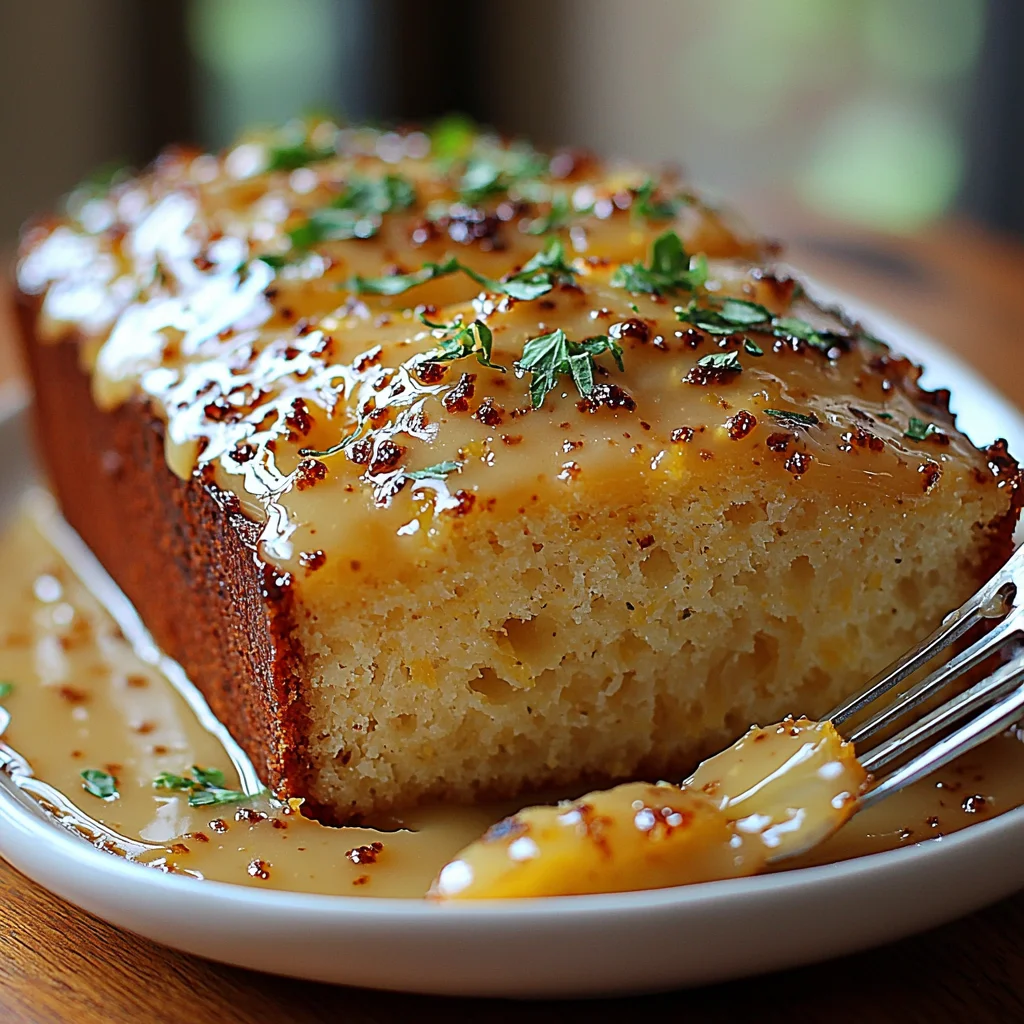
So there you have it, my absolute favorite way to bring that bright, sunny coffee shop experience right

Starbucks Copycat Lemon Loaf
Ingredients
Method
- Preheat oven to 350°F (175°C). Grease a 9×5 inch loaf pan.
- In medium bowl, whisk together flour, baking powder, and salt.
- In large bowl, cream butter, sugar and lemon zest until light and fluffy.
- Beat in eggs one at a time, then stir in vanilla extract.
- Alternately add flour mixture and milk, mixing just until combined.
- Stir in ¼ cup lemon juice until batter is smooth.
- Pour batter into prepared loaf pan and bake for 45-50 minutes.
- While cooling, whisk powdered sugar and remaining lemon juice for glaze.
- Drizzle glaze over completely cooled loaf before slicing.