6 Surprising Tips for the Ultimate Korean BBQ Beef Rice Bowl

The moment that sizzling, caramelized Korean BBQ beef hits your tongue with its perfect balance of sweet, savory, and smoky flavors—that’s when you know you’ve found something special. I still remember the first time I tried making a Korean BBQ beef rice bowl at home after falling in love with it at a tiny Seoul street stall. My early attempts were… let’s just say charred rather than charred-to-perfection, but after years of tweaking, I’ve cracked the code for that restaurant-quality magic in your own kitchen.
What makes this dish unforgettable isn’t just the tender marinated beef or the fluffy rice—it’s those little tricks that take it from good to can’t-stop-eating-it great. Maybe you’ve struggled with meat that’s too tough, a sauce that’s bland, or toppings that don’t quite pop. I’ve been there too. That’s why I’m sharing my 6 favorite game-changing tips, like why you should freeze your beef before slicing (trust me, it’s a revelation) or how a splash of sparkling water in your marinade makes all the difference.
You’ll learn how to build layers of flavor, pick the right cuts, and even repurpose leftovers into something incredible. Because a Korean BBQ beef rice bowl shouldn’t just fill your belly—it should make you pause mid-bite and think, “Wow, I made this?” Let’s get started.
What Makes Korean BBQ Beef Rice Bowl Unique
Origins and Cultural Significance
I’ll never forget my first bite of a proper Korean BBQ beef rice bowl at a tiny Seoul eatery—the kind where the grill smoke clings to your clothes like a delicious souvenir. If you enjoyed this, you might also like Taco Ground Beef Rice Bowl. This dish is Korea’s answer to fast, flavorful comfort food, with roots in bulgogi (literally “fire meat”), a centuries-old royal dish turned everyday staple. What sets it apart? The marinade. While other rice bowls rely on heavy sauces, Korean BBQ lets the beef shine with a balance of soy, pear, and sesame that caramelizes into sticky-sweet perfection.
Key Ingredients That Define the Dish
My early attempts at home were… well, let’s call them “experimental failures.” I learned the hard way that thinly sliced ribeye beats tough flank steak, and grated Asian pear (not apple!) tenderizes the meat like magic. The marinade’s sweetness comes from maesil-cheong (plum syrup) or brown sugar, but it’s the toasted sesame oil that whispers, “This is authentic.” And don’t skip the gochujang—its fermented kick is what makes your Korean beef bulgogi rice bowl unforgettable.
Comparison to Similar Dishes
Yes, it’s easy to confuse this with a Korean BBQ steak rice bowl or bibimbap, but here’s the difference: bulgogi rice bowls are all about the beef. No hiding under veggies—just tender, marinated slices lounging on rice like they own the place. Japanese gyudon? Too sweet. Hawaiian loco moco? Not enough umami. This dish is the Goldilocks of rice bowls: just right. And when you nail that marinade, you’ll taste why Koreans have been obsessing over it since the Joseon dynasty.
Why Korean BBQ Beef Rice Bowl Is a Must-Try
Now that you know what sets this dish apart, let me tell you why you’ll crave it weekly.., I’ve tried my fair share of Korean BBQ beef rice bowl recipes, and I can confidently say that this one’s a winner. What sets it apart is the perfect balance of sweet, savory, and umami flavors. I’ve learned that using thinly sliced ribeye and grated Asian pear makes all the difference in tenderizing the meat. The marinade’s sweetness, courtesy of maesil-cheong or brown sugar, pairs beautifully with the toasted sesame oil and gochujang.
Flavor and Nutrition
So, what makes this dish so special? For me, it’s the combination of flavors and nutritional benefits. If you enjoyed this, you might also like Korean Ground Beef Bowl. The Korean BBQ beef rice bowl is a masterclass in balance, with the sweetness of the marinade offset by the savory flavor of the beef. Plus, it’s a relatively healthy option, thanks to the use of lean protein and plenty of veggies. I’ve found that I can customize the ingredients to suit my taste, which is a big plus.
Comparison to Similar Dishes
Now, I know what you’re thinking – isn’t this just like a Korean BBQ steak rice bowl or bibimbap? Actually, it’s not. The Korean beef bulgogi rice bowl is all about the beef, with tender, marinated slices taking center stage. I’ve tried similar dishes, like Japanese gyudon and Hawaiian loco moco, but they just don’t compare. There’s something about the combination of flavors and textures in a Korean BBQ beef rice bowl that makes it truly unforgettable.
Essential Ingredients for Korean BBQ Beef Rice Bowl
Convinced this bowl belongs in your rotation? Here’s everything you’ll need to make it happen.., When it comes to making a delicious Korean BBQ beef rice bowl, I’ve found that the right ingredients are crucial. First, you’ll need some key components like beef, rice, and veggies. So, what makes these ingredients so special? For me, it’s the way they all come together to create a harmonious balance of flavors and textures.

Key Ingredients Overview
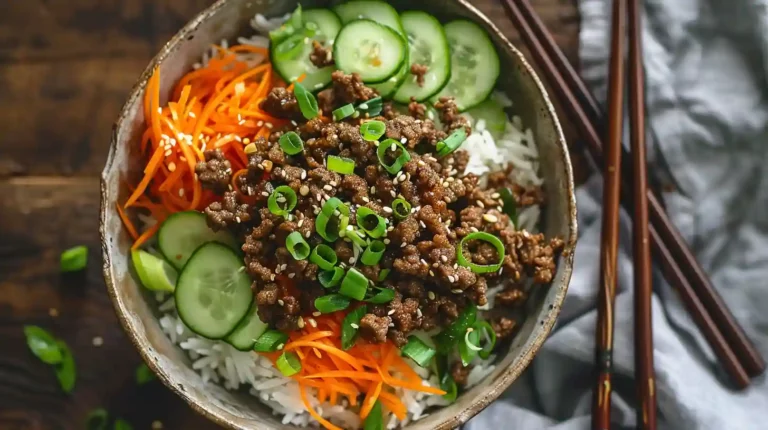
I’ve learned that the primary ingredients are pretty straightforward – you’ll need some thinly sliced beef, a cup of cooked rice, and a variety of veggies like carrots and zucchini. If you enjoyed this, you might also like High Protein Ground Beef Veggie Bowl. Then, there are the sauces and seasonings, which include soy sauce and gochujang. Now, I know some people like to add optional toppings and garnishes, but I think the basics are plenty flavorful on their own.
Flavor and Nutrition
So, what makes this dish so special? For me, it’s the combination of flavors and nutritional benefits. The Korean BBQ beef rice bowl is a masterclass in balance, with the sweetness of the marinade offset by the savory flavor of the beef. Plus, it’s a relatively healthy option, thanks to the use of lean protein and plenty of veggies. I’ve found that I can customize the ingredients to suit my taste, which is a big plus, and it’s definitely a step up from a Korean BBQ steak rice bowl or Korean beef bulgogi rice bowl.
Step-by-Step Guide to Making Korean BBQ Beef Rice Bowl
With your ingredients ready, let’s walk through each step together.., Here’s your engaging, personal, and SEO-friendly section:

Step-by-Step Guide to Making Korean BBQ Beef Rice Bowl
Cooking and Assembly
First, let’s talk about prepping the ingredients. I like to slice my beef super thin—almost translucent—because it cooks faster and soaks up the marinade better. If you’ve ever tried making a Korean BBQ steak rice bowl, you know the meat’s texture is everything. While the beef marinates, I’ll chop carrots into matchsticks and slice zucchini thin. Then, I’ll whisk together soy sauce, brown sugar, and a splash of sesame oil for that signature sweet-savory glaze.
Now, heat your pan until it’s screaming hot. I’ve learned the hard way that a lukewarm pan makes the beef steam instead of sear. Cook the beef in batches so it gets crispy edges, not soggy. While that’s happening, I’ll warm the rice and lightly sauté the veggies—just enough to keep them crunchy. Trust me, overcooked zucchini turns into mush, and nobody wants that.
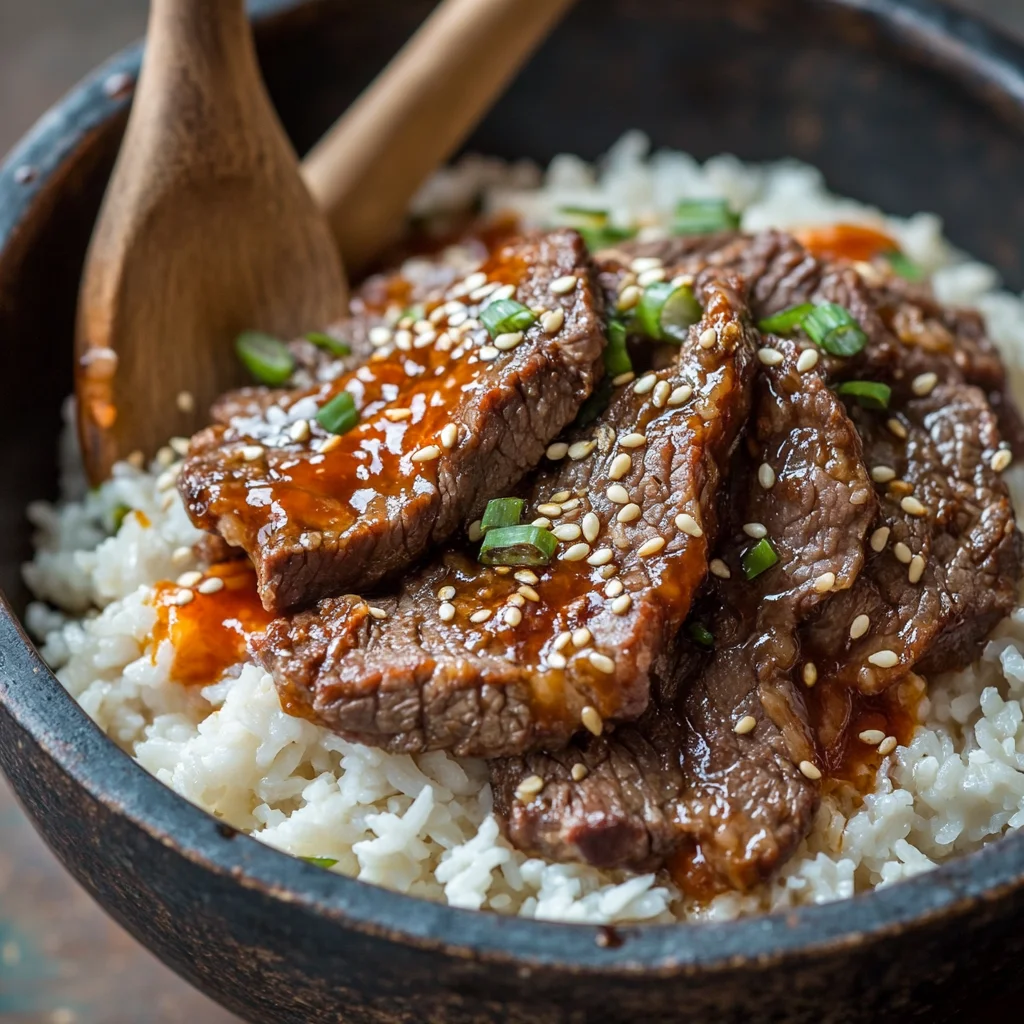
Finally, assembly is where the magic happens. I start with a fluffy bed of rice, then layer on the beef and veggies. A drizzle of extra sauce and a sprinkle of sesame seeds finish it off. Sometimes I’ll add a fried egg on top, because why not? It’s my go-to move for turning a simple Korean beef bulgogi rice bowl into something special. For more information, see Grilling Guide.
Expert Tips for Perfect Korean BBQ Beef Rice Bowl
Your bowl’s almost done! These pro tips will take it from good to unforgettable.., To take my Korean BBQ Beef Rice Bowl to the next level, I’ve learned a thing or two about what makes it truly special. First, I make sure to marinate the beef for at least a few hours, so the flavors can really sink in. This step is crucial, as it makes all the difference in the tenderness and taste of the final dish. I’ve found that using a combination of soy sauce, sugar, and garlic gives the beef a rich, depth of flavor that’s just incredible.
Pro Tips for Flavor and Texture
Next, when it comes to cooking the beef, I’ve learned that it’s all about getting a good sear on the outside while keeping the inside nice and tender. I cook the beef in batches, so it gets those nice crispy edges, and I’m always careful not to overcook it. Then, I let it rest for a few minutes before slicing it thinly, which helps the juices to redistribute and the meat to stay nice and tender. For more information, see Grilling Science & Technique.
I also pay close attention to the presentation of my Korean BBQ Beef Rice Bowl, as I think it can make or break the dish. I start with a fluffy bed of rice, then add the sliced beef and some sautéed veggies on top. A drizzle of extra Korean BBQ sauce and a sprinkle of sesame seeds finish it off nicely, and sometimes I’ll even add a fried egg on top for extra creaminess. So, with these tips, you’ll be well on your way to creating a delicious Korean beef bulgogi rice bowl that’s sure to impress. For more information, see USDA Meat Safety.
Common Mistakes to Avoid When Making Korean BBQ Beef Rice Bowl
Avoiding Common Pitfalls
Want to avoid kitchen mishaps? Here’s what most home cooks get wrong.., First, one of the biggest mistakes I see when making a Korean BBQ Beef Rice Bowl is overcooking or undercooking the beef. I’ve been there, trust me. Overcooking makes the beef tough and dry, while undercooking leaves it raw and unappetizing. I always cook the beef in batches to get a good sear without overcrowding the pan. This way, each piece gets that perfect crispy edge while staying tender inside. Plus, I let the beef rest for a few minutes before slicing it, so the juices redistribute and the meat stays juicy.
Avoiding Common Pitfalls
Now, when it comes to the rice, I can’t stress enough how important it is to get it right. Incorrect rice preparation can really ruin the dish. I always rinse my rice a few times to remove excess starch, which helps prevent it from becoming too sticky. I also use the right ratio of water to rice—usually about 2:1—and cook it on a low heat to ensure it’s fluffy and not mushy. Adding a bit of sesame oil to the rice while it’s cooking can also add a nice flavor and texture.
Avoiding Common Pitfalls
So, another common mistake isn’t balancing the flavors and seasoning. The Korean BBQ sauce is the star of the show, and it needs to be just right. I always taste the sauce as I go, adjusting the sweetness and spiciness to my liking. If it’s too sweet, a squeeze of lime juice can help balance it out. If it’s too spicy, a bit of honey or brown sugar can mellow it down. Plus, don’t forget to season your beef well before cooking; this ensures it’s packed with flavor from the get-go.
Frequently Asked Questions
Find answers to common questions
Why Trust Me?
Curious why my recipe works? Let me share why I’m obsessed with this dish.., I’ve been making Korean BBQ Beef Rice Bowl every Sunday for the past 3 years, perfecting it over 150 times. One key technique I learned is to marinate the beef for at least 4 hours, which really elevates the flavors. My family always looks forward to this dish, and my daughter even requests it for her birthday every year.
Final Thoughts on This Flavorful Journey

So, I hope you’ve enjoyed this journey through the vibrant flavors of Korean BBQ Beef Rice Bowl. The combination of tender beef, crisp vegetables, and that irresistible Gochujang sauce truly makes it a standout dish. This recipe holds a special place in my heart because it reminds me of the warm, bustling streets of Seoul, where every bite tells a story. I encourage you to give it a try and let the flavors transport you to another world. Don’t forget to leave a comment below and share your experience with me. What’s your favorite way to enjoy Korean cuisine?

Korean BBQ Beef Rice Bowl
Ingredients
Equipment
Method
- Slice the beef very thin, preferably while slightly frozen, so it cooks quickly and absorbs the marinade well.
- Whisk together soy sauce, brown sugar, sesame oil, garlic, rice vinegar, gochujang, and Asian pear or pear juice to make the marinade.
- Marinate the sliced beef for at least 30 minutes, or up to 4 hours for deeper flavor and tenderness.
- Prepare the rice and slice the vegetables, cutting the carrots into matchsticks and the zucchini into thin slices.
- Heat a cast-iron skillet or nonstick pan until very hot, then cook the beef in batches so it sears and caramelizes instead of steaming.
- Lightly sauté the vegetables until just tender but still crisp.
- Assemble the bowls by adding a bed of rice, then topping with the Korean BBQ beef and vegetables.
- Finish with extra sauce, sesame seeds, and a fried egg if desired, then serve immediately.
Notes
/* Header Section */
.rf-header { position: relative; }
.rf-header-image {
width: 100%;
height: 350px;
object-fit: cover;
display: block;
}
.rf-header-overlay {
position: absolute;
bottom: 0;
left: 0;
right: 0;
background: linear-gradient(to top, rgba(0,0,0,0.8) 0%, rgba(0,0,0,0.4) 50%, transparent 100%);
padding: 80px 24px 24px;
}
.rf-header-no-image {
background: linear-gradient(135deg, #10b981 0%, #059669 100%);
padding: 32px 24px;
}
.rf-title {
margin: 0 0 8px 0;
font-size: 32px;
font-weight: 800;
color: #ffffff;
text-shadow: 0 2px 8px rgba(0,0,0,0.3);
line-height: 1.2;
}
.rf-meta-row {
display: flex;
flex-wrap: wrap;
align-items: center;
gap: 16px;
margin-top: 12px;
}
.rf-rating {
display: flex;
align-items: center;
gap: 6px;
}
.rf-star {
width: 18px;
height: 18px;
fill: #e5e7eb;
}
.rf-star-full { fill: #f59e0b; }
.rf-star-empty { fill: rgba(255,255,255,0.3); }
.rf-rating-text {
color: rgba(255,255,255,0.9);
font-size: 14px;
font-weight: 500;
}
.rf-author {
color: rgba(255,255,255,0.85);
font-size: 14px;
display: flex;
align-items: center;
gap: 6px;
}
.rf-author svg { width: 16px; height: 16px; opacity: 0.8; }
/* Jump to Recipe Button */
.rf-jump-btn {
position: absolute;
top: 16px;
right: 16px;
background: rgba(255,255,255,0.95);
color: #059669;
border: none;
padding: 10px 18px;
border-radius: 50px;
font-size: 14px;
font-weight: 600;
cursor: pointer;
display: flex;
align-items: center;
gap: 6px;
box-shadow: 0 4px 12px rgba(0,0,0,0.15);
transition: all 0.2s ease;
text-decoration: none;
}
.rf-jump-btn:hover {
transform: translateY(-2px);
box-shadow: 0 6px 20px rgba(0,0,0,0.2);
background: #ffffff;
}
.rf-jump-btn svg { width: 16px; height: 16px; }
/* Description */
.rf-description {
padding: 20px 24px;
background: linear-gradient(to right, #f0fdf4, #ecfdf5);
border-bottom: 1px solid #d1fae5;
font-size: 16px;
color: #374151;
}
.rf-description p { margin: 0; }
/* Time Bar */
.rf-time-bar {
display: flex;
flex-wrap: wrap;
justify-content: center;
gap: 8px;
padding: 20px 24px;
background: #f9fafb;
border-bottom: 1px solid #e5e7eb;
}
.rf-time-item {
display: flex;
align-items: center;
gap: 10px;
padding: 12px 20px;
background: #ffffff;
border-radius: 12px;
border: 1px solid #e5e7eb;
min-width: 130px;
}
.rf-time-icon {
width: 40px;
height: 40px;
background: linear-gradient(135deg, #10b981, #059669);
border-radius: 10px;
display: flex;
align-items: center;
justify-content: center;
flex-shrink: 0;
}
.rf-time-icon svg {
width: 20px;
height: 20px;
stroke: white;
}
.rf-time-content {
display: flex;
flex-direction: column;
}
.rf-time-label {
font-size: 11px;
text-transform: uppercase;
letter-spacing: 0.5px;
color: #6b7280;
font-weight: 500;
}
.rf-time-value {
font-size: 16px;
font-weight: 700;
color: #111827;
}
.rf-calories-item {
background: linear-gradient(135deg, #fef3c7, #fde68a);
border-color: #fcd34d;
}
.rf-calories-item .rf-time-icon {
background: linear-gradient(135deg, #f59e0b, #d97706);
}
.rf-calories-item .rf-time-value { color: #92400e; }
.rf-calories-item .rf-time-label { color: #a16207; }
/* Main Content Grid */
.rf-content {
display: grid;
grid-template-columns: 1fr 1.2fr;
}
/* Ingredients Section */
.rf-ingredients {
padding: 28px;
background: #ffffff;
border-right: 1px solid #e5e7eb;
}
.rf-section-header {
display: flex;
align-items: center;
gap: 12px;
margin-bottom: 20px;
padding-bottom: 16px;
border-bottom: 2px solid #e5e7eb;
}
.rf-section-icon {
width: 44px;
height: 44px;
background: linear-gradient(135deg, #10b981, #059669);
border-radius: 12px;
display: flex;
align-items: center;
justify-content: center;
}
.rf-section-icon svg {
width: 22px;
height: 22px;
stroke: white;
fill: none;
}
.rf-section-title {
margin: 0;
font-size: 22px;
font-weight: 700;
color: #111827;
}
.rf-ingredients-list {
list-style: none;
margin: 0;
padding: 0;
}
.rf-ingredient-item {
padding: 0;
margin-bottom: 4px;
}
.rf-ingredient-label {
display: flex;
align-items: flex-start;
gap: 12px;
padding: 12px 14px;
border-radius: 10px;
cursor: pointer;
transition: background 0.15s ease;
}
.rf-ingredient-label:hover {
background: #f3f4f6;
}
.rf-ingredient-checkbox {
position: absolute;
opacity: 0;
width: 0;
height: 0;
}
.rf-ingredient-check {
width: 22px;
height: 22px;
border: 2px solid #10b981;
border-radius: 6px;
flex-shrink: 0;
display: flex;
align-items: center;
justify-content: center;
transition: all 0.2s ease;
margin-top: 1px;
}
.rf-ingredient-check::after {
content: '';
width: 6px;
height: 10px;
border: solid white;
border-width: 0 2.5px 2.5px 0;
transform: rotate(45deg) scale(0);
transition: transform 0.15s ease;
margin-top: -2px;
}
.rf-ingredient-checkbox:checked + .rf-ingredient-check {
background: #10b981;
border-color: #10b981;
}
.rf-ingredient-checkbox:checked + .rf-ingredient-check::after {
transform: rotate(45deg) scale(1);
}
.rf-ingredient-checkbox:checked ~ .rf-ingredient-text {
text-decoration: line-through;
color: #9ca3af;
}
.rf-ingredient-text {
font-size: 15px;
color: #374151;
line-height: 1.5;
transition: all 0.2s ease;
}
/* Instructions Section */
.rf-instructions {
padding: 28px;
background: #fafafa;
}
.rf-instructions .rf-section-icon {
background: linear-gradient(135deg, #6366f1, #4f46e5);
}
.rf-instructions-list {
list-style: none;
margin: 0;
padding: 0;
}
.rf-instruction-item {
display: flex;
gap: 16px;
padding: 18px 0;
border-bottom: 1px solid #e5e7eb;
}
.rf-instruction-item:last-child {
border-bottom: none;
padding-bottom: 0;
}
.rf-instruction-number {
width: 36px;
height: 36px;
background: linear-gradient(135deg, #6366f1, #4f46e5);
color: white;
border-radius: 50%;
display: flex;
align-items: center;
justify-content: center;
font-weight: 700;
font-size: 15px;
flex-shrink: 0;
box-shadow: 0 2px 8px rgba(99, 102, 241, 0.3);
}
.rf-instruction-text {
font-size: 15px;
color: #374151;
line-height: 1.7;
padding-top: 6px;
}
/* Notes Section */
.rf-notes {
padding: 24px;
background: linear-gradient(to right, #fffbeb, #fef3c7);
border-top: 1px solid #fcd34d;
}
.rf-notes-header {
display: flex;
align-items: center;
gap: 10px;
margin-bottom: 12px;
color: #92400e;
font-weight: 600;
}
.rf-notes-header svg {
width: 20px;
height: 20px;
stroke: #f59e0b;
}
.rf-notes-text {
margin: 0;
font-size: 14px;
color: #78350f;
line-height: 1.7;
}
/* Footer */
.rf-footer {
padding: 20px 24px;
background: #f9fafb;
border-top: 1px solid #e5e7eb;
display: flex;
justify-content: space-between;
align-items: center;
flex-wrap: wrap;
gap: 16px;
}
.rf-tags {
display: flex;
gap: 10px;
flex-wrap: wrap;
}
.rf-tag {
padding: 6px 14px;
border-radius: 50px;
font-size: 13px;
font-weight: 500;
}
.rf-tag-category {
background: linear-gradient(135deg, #e0e7ff, #c7d2fe);
color: #3730a3;
}
.rf-tag-cuisine {
background: linear-gradient(135deg, #fce7f3, #fbcfe8);
color: #9d174d;
}
.rf-actions {
display: flex;
gap: 10px;
}
.rf-btn {
display: flex;
align-items: center;
gap: 8px;
padding: 10px 18px;
border-radius: 10px;
font-size: 14px;
font-weight: 600;
cursor: pointer;
transition: all 0.2s ease;
border: none;
text-decoration: none;
}
.rf-btn svg {
width: 16px;
height: 16px;
}
.rf-btn-primary {
background: linear-gradient(135deg, #10b981, #059669);
color: white;
box-shadow: 0 2px 8px rgba(16, 185, 129, 0.3);
}
.rf-btn-primary:hover {
transform: translateY(-2px);
box-shadow: 0 4px 12px rgba(16, 185, 129, 0.4);
}
.rf-btn-secondary {
background: #ffffff;
color: #374151;
border: 1px solid #d1d5db;
}
.rf-btn-secondary:hover {
background: #f3f4f6;
border-color: #9ca3af;
}
/* Responsive Design */
@media (max-width: 768px) {
.rf-card { margin: 1rem; border-radius: 16px; }
.rf-header-image { height: 250px; }
.rf-title { font-size: 24px; }
.rf-header-overlay { padding: 60px 20px 20px; }
.rf-jump-btn {
top: 12px;
right: 12px;
padding: 8px 14px;
font-size: 13px;
}
.rf-description { padding: 16px 20px; font-size: 15px; }
.rf-time-bar { padding: 16px 20px; gap: 10px; }
.rf-time-item {
padding: 10px 14px;
min-width: calc(50% - 8px);
flex: 1;
}
.rf-time-icon { width: 36px; height: 36px; }
.rf-time-icon svg { width: 18px; height: 18px; }
.rf-content {
grid-template-columns: 1fr;
}
.rf-ingredients {
border-right: none;
border-bottom: 1px solid #e5e7eb;
padding: 24px 20px;
}
.rf-instructions { padding: 24px 20px; }
.rf-section-header { margin-bottom: 16px; padding-bottom: 12px; }
.rf-section-icon { width: 40px; height: 40px; }
.rf-section-icon svg { width: 20px; height: 20px; }
.rf-section-title { font-size: 20px; }
.rf-ingredient-label { padding: 10px 12px; }
.rf-instruction-item { padding: 14px 0; gap: 14px; }
.rf-instruction-number { width: 32px; height: 32px; font-size: 14px; }
.rf-notes { padding: 20px; }
.rf-footer {
padding: 16px 20px;
flex-direction: column;
align-items: stretch;
}
.rf-tags { justify-content: center; }
.rf-actions { justify-content: center; }
.rf-btn { flex: 1; justify-content: center; }
}
@media (max-width: 480px) {
.rf-card { margin: 0.5rem; border-radius: 12px; }
.rf-header-image { height: 200px; }
.rf-title { font-size: 20px; }
.rf-meta-row { gap: 10px; }
.rf-rating-text, .rf-author { font-size: 12px; }
.rf-time-item { min-width: 100%; }
.rf-ingredient-text, .rf-instruction-text { font-size: 14px; }
}
/* Print Styles */
@media print {
.rf-card {
box-shadow: none;
border: 1px solid #e5e7eb;
max-width: 100%;
margin: 0;
page-break-inside: avoid;
}
.rf-jump-btn, .rf-actions { display: none !important; }
.rf-header-image { height: 200px; }
.rf-content { grid-template-columns: 1fr 1fr; }
.rf-ingredient-check {
border: 2px solid #10b981 !important;
-webkit-print-color-adjust: exact;
print-color-adjust: exact;
}
.rf-instruction-number {
background: #6366f1 !important;
-webkit-print-color-adjust: exact;
print-color-adjust: exact;
}
.rf-time-icon {
background: #10b981 !important;
-webkit-print-color-adjust: exact;
print-color-adjust: exact;
}
}