5 Expert Tips and Common Mistakes for Perfect Cashew Ricotta

Imagine spreading a creamy, dreamy cheese on your toast that’s both rich and dairy-free. Sounds too good to be true? Trust me, it’s not. I discovered the magic of cashew ricotta cheese a few years ago when I was experimenting with plant-based alternatives. I’d always loved ricotta, but I wanted something that fit my vegan lifestyle without sacrificing flavor. That’s when I stumbled upon this simple yet mind-blowing recipe made with cashews.
The first time I whipped up a batch, I couldn’t believe how easy it was. With just a handful of ingredients and a blender, I had a velvety cheese that tasted like it came straight from an Italian kitchen. My family couldn’t tell the difference—they thought it was the real deal! Since then, this cashew ricotta has become a staple in my kitchen. I use it in everything from lasagna to toast toppings, and it never fails to impress.
In this guide, I’ll walk you through 5 easy steps to make your own perfect cashew ricotta cheese. You’ll learn how to soak your cashews for the creamiest texture, the best seasonings to use, and how to store it for maximum freshness. Whether you’re vegan, lactose-intolerant, or just curious, this recipe will amaze you. Let’s get started!
What Is Cashew Ricotta Cheese and Why It’s Revolutionary
When I first went vegan, I thought I’d have to say goodbye to creamy ricotta forever. If you enjoyed this, you might also like Cream Cheese Bars. Then I discovered cashew ricotta cheese, and it completely changed the game. This plant-based alternative is made by blending soaked cashews with a few simple ingredients like lemon juice, garlic, and nutritional yeast. The result? A rich, creamy spread that rivals traditional dairy ricotta in both texture and flavor.
The Science Behind Cashew Creaminess
Cashews are magical little nuts. When soaked, they soften and blend into a smooth, velvety consistency that mimics dairy perfectly. The natural fats in cashews create that luxurious creaminess we love in ricotta. Plus, blending them breaks down the fibers, making it silky without any grit. It’s like science and nature teamed up to give us the ultimate dairy-free cheese.
Health Benefits Over Dairy Ricotta
Not only does cashew ricotta taste amazing, but it’s also packed with nutrients. Cashews are rich in healthy fats, protein, and magnesium, making this vegan ricotta cheese a healthier choice than its dairy counterpart. It’s also lower in calories and cholesterol-free, so you can enjoy it guilt-free. My lactose-intolerant friends love it because it’s gentle on their stomachs.
Taste Profile and Versatility
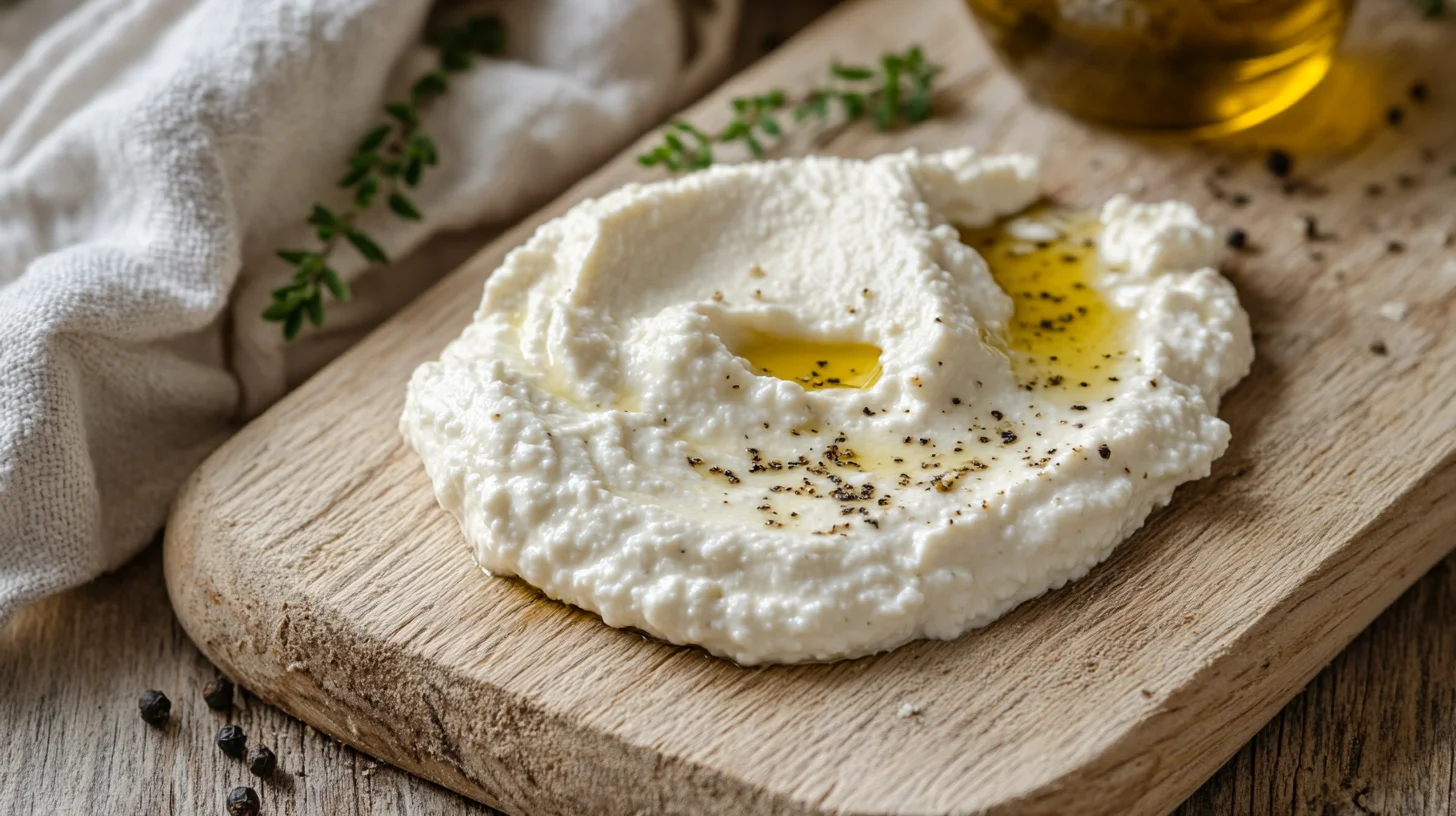
The flavor of cashew ricotta is mild and slightly nutty, with a tangy kick from the lemon juice. It’s incredibly versatile—I’ve used it in lasagna, stuffed shells, and even as a dip for veggies. One of my favorite ways to enjoy it is spread on toasted sourdough with a drizzle of olive oil. Trust me, once you try it, you’ll wonder why you ever bothered with dairy ricotta.
Essential Ingredients for the Best Vegan Ricotta Cheese
Alright, When I first started making cashew ricotta cheese, I learned the hard way that not all ingredients are created equal. If you enjoyed this, you might also like Blueberry Cream Cheese Bread. After a few failed batches (think grainy texture or bland flavor), I nailed down the perfect combo. Now, my vegan ricotta tastes so creamy and tangy, even my dairy-loving friends ask for the recipe.
Choosing the Right Cashews
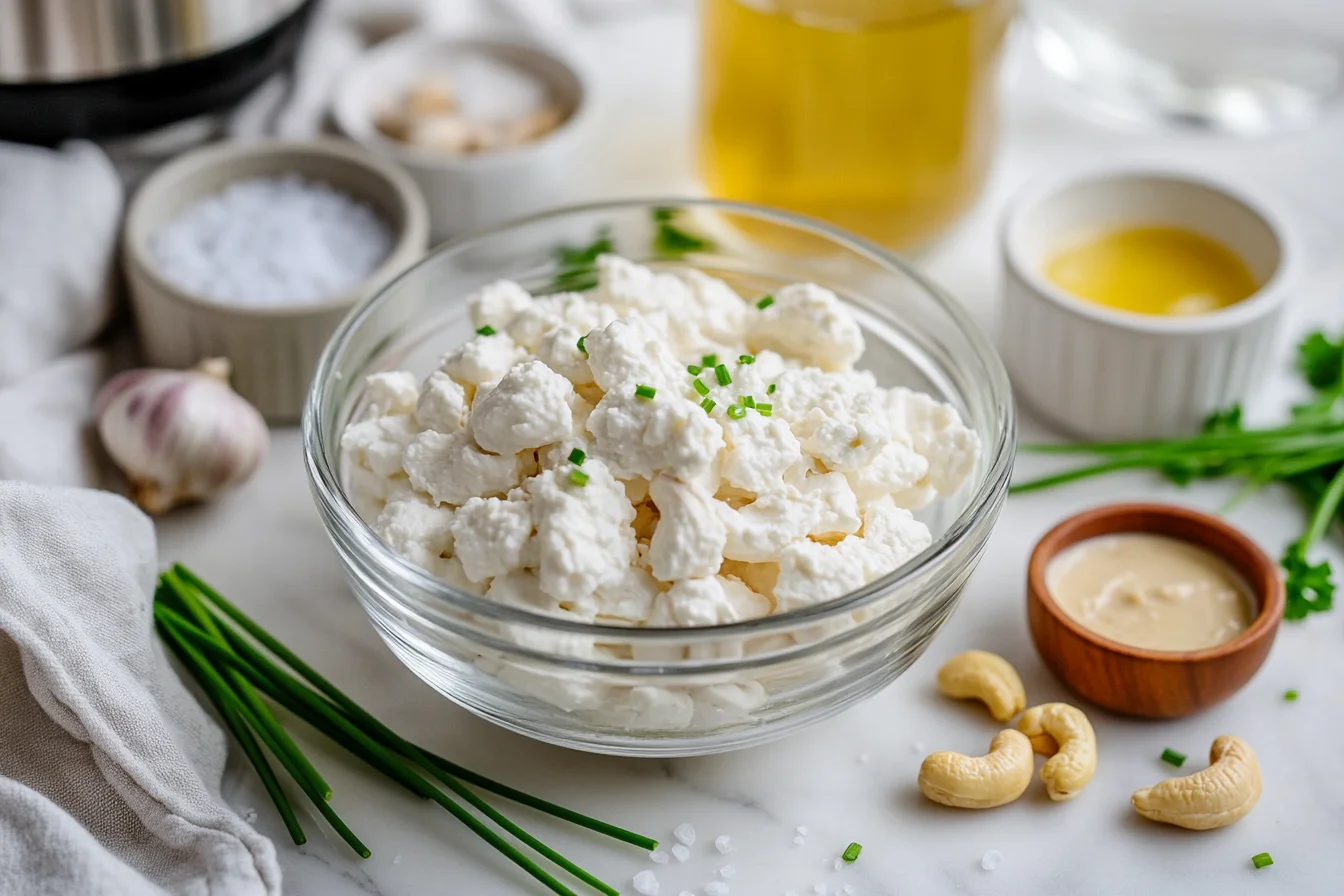
Raw cashews are the heart of this dairy-free ricotta, and I’ve found soaking them overnight makes all the difference. Once, I tried skipping this step, and the texture turned out chalky—never again! The cashews soften up, blending into a silky base that mimics traditional ricotta. I prefer organic cashews because they have a cleaner, sweeter flavor, but any raw variety works in a pinch.
Acid Components That Make It Tangy
Lemon juice is my go-to for that classic ricotta tang, but apple cider vinegar works too. I once used too much vinegar, and the cheese tasted more like salad dressing—oops! A tablespoon of lemon juice brightens the flavor without overpowering it. Some recipes call for miso, which adds depth, but I keep it simple so the cashew cheese recipe stays versatile.
Flavor Enhancers and Seasonings
A pinch of garlic powder and nutritional yeast transform this from bland to “can’t-stop-eating-it” good. My secret? A dash of white pepper—it adds warmth without the bite. I’ve also stirred in fresh herbs like basil or chives when serving it as a dip. The beauty of vegan ricotta cheese is how easily it adapts. Last week, I added sun-dried tomatoes, and it tasted like a fancy spread from a gourmet shop!
Pro tip: Always taste as you go. Cashews vary in sweetness, so you might need an extra squeeze of lemon or pinch of salt. Trust me, your lasagna (or toast, or stuffed shells) will thank you.
Common Mistakes to Avoid When Making Dairy Free Ricotta
After making countless batches of cashew ricotta cheese, I’ve learned from every mistake in the book. If you enjoyed this, you might also like Best Herbed Ricotta Stuffed Chicken Rolls. Trust me, I’ve been there—from gritty disasters to flavorless blobs that nobody wanted to eat.
Soaking Time Mistakes
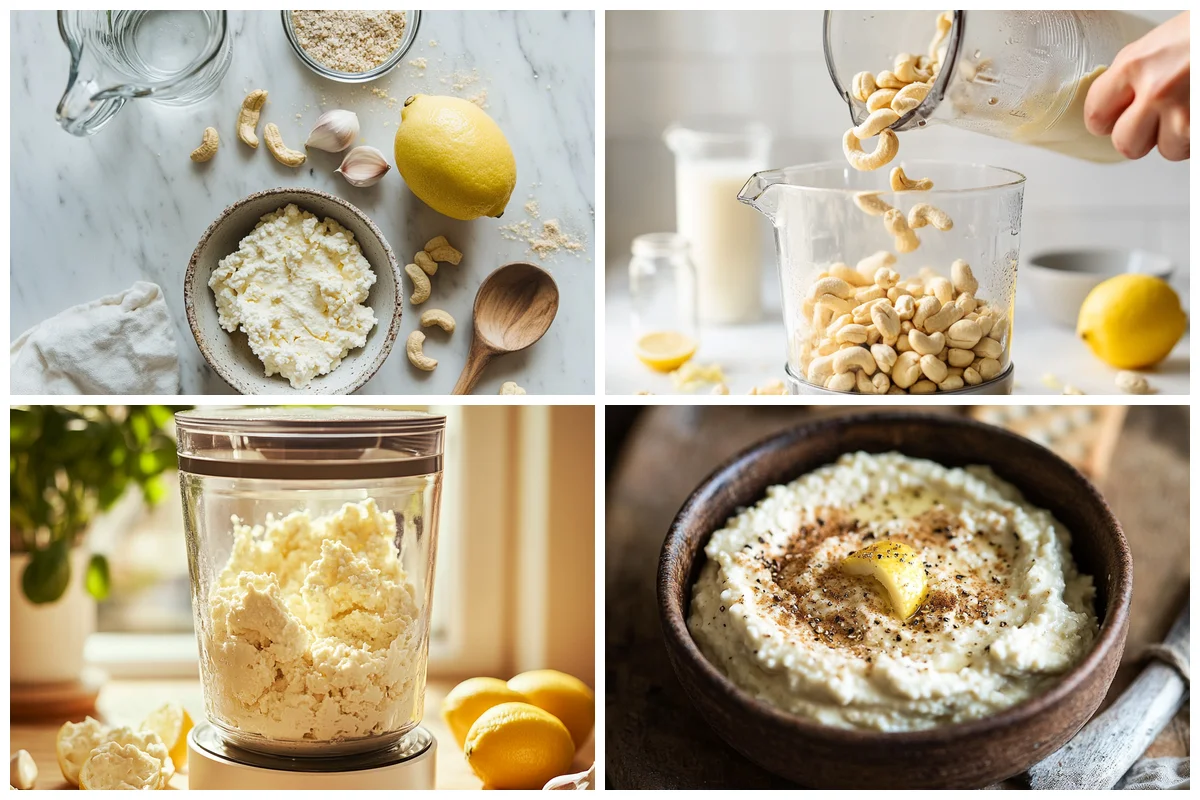
Don’t rush the soaking process like I did during my first attempt. I thought thirty minutes would work, but my blender struggled, and the texture turned out grainy and unpleasant. Raw cashews need at least four hours, though overnight soaking gives you the creamiest results. If you’re impatient like me, pour boiling water over them and wait twenty minutes—it’s my emergency shortcut when unexpected guests arrive.
Blending and Texture Problems
Over-blending creates a paste instead of fluffy dairy free ricotta. I learned this the hard way when I left my food processor running too long, thinking more blending meant better texture. Now I pulse in short bursts, scraping sides frequently. Also, don’t add all the water at once—I start with half and gradually add more until I reach that perfect, slightly chunky consistency that mimics real ricotta.
Seasoning and Flavor Issues
Under-seasoning is the biggest mistake I see people make with vegan ricotta cheese. Cashews are naturally mild, so they need bold flavors to shine. I always add salt gradually, tasting after each addition, because you can’t take it back once it’s too salty.
Creative Variations and Plant Based Ricotta Substitutions
So, One of my favorite things about cashew ricotta cheese is how versatile it is. I’ve spent years tweaking this cashew cheese recipe to suit different dishes and dietary needs, and I’m excited to share my favorite twists with you. Whether you’re craving Italian flavors, need a nut-free option, or want a thicker spread for stuffed shells, I’ve got you covered.
Making cashew ricotta cheese is pretty straightforward, but I’ve learned a few tricks over the years to avoid common pitfalls. First, soaking the cashews is non-negotiable. I’ve tried skipping this step when I was in a hurry, and the result was gritty instead of creamy. Trust me, soaking them for at least 4 hours (or overnight) makes all the difference. If you’re short on time, you can use hot water and soak them for 1-2 hours, but don’t skip it entirely. For more information, see The Best Vegan Cashew Ricotta Recipe.

Another mistake I’ve made is over-blending the mixture. When I first started making cashew ricotta, I thought blending it longer would make it smoother. Turns out, blending too much can make it gluey and dense. You want it to have a slightly grainy texture, just like traditional ricotta. Pulse it in short bursts and stop as soon as it’s creamy but still has some texture. For more information, see Cashew Ricotta.
One tip I swear by is adding lemon juice gradually. I once dumped in the entire amount at once, and the flavor was way too sharp. Now, I add it a little at a time, tasting as I go, until it has that perfect tangy balance. Also, don’t forget the nutritional yeast! It gives the ricotta that cheesy, umami flavor, but if you’re not a fan, you can reduce the amount or skip it altogether. For more information, see FDA Food Safety.
Lastly, seasoning is key. I’ve found that adding a pinch of garlic powder or fresh herbs like basil or thyme can elevate the flavor. Just remember, cashew ricotta tends to absorb flavors, so go easy on the salt at first and adjust later.
Storage, Reheating, and Make-Ahead Tips
One of the things I love about cashew ricotta cheese is how well it stores. I often make a big batch at the start of the week and use it in different dishes. To store it, I transfer it to an airtight container and keep it in the fridge. It stays fresh for up to 5 days, and the flavors actually deepen over time.
If you’re planning to use it in a warm dish like lasagna or stuffed shells, you don’t need to reheat it separately. Just spread it cold into your dish, and it will heat up perfectly in the oven. I’ve also used it as a spread for sandwiches or toast, and it’s delicious straight from the fridge.
For longer storage, you can freeze cashew ricotta. I’ve frozen it in small portions using silicone muffin molds, which makes it easy to thaw just what I need. When you’re ready to use it, let it thaw in the fridge overnight. It might separate a bit after freezing, but a quick stir will bring it back together.
Another make-ahead tip is to prepare the soaked cashews in advance. I often soak a big batch of cashews, drain them, and store them in the freezer. That way, I can whip up cashew ricotta anytime without waiting for the soaking step.
Finally, if you’re using cashew ricotta in a dish that requires baking, like stuffed shells or lasagna, you’ll notice it firms up beautifully in the oven. It doesn’t melt like dairy ricotta, but it holds its shape and adds a creamy, rich texture to your meal. I’ve even used it as a dip for veggies or crackers, and it’s always a hit.
With these tips, you’ll be able to make cashew ricotta cheese that’s creamy, flavorful, and versatile. Whether you’re using it in a savory dish or enjoying it on its own, it’s a game-changer for dairy-free cooking.
Flavor Variations for Every Cuisine
I love how easily this vegan ricotta cheese adapts to global flavors. For Italian nights, I stir in garlic, lemon zest, and fresh basil. When I’m making Mexican dishes, I add lime juice, cilantro, and a pinch of cumin. My Greek-inspired version gets a tangy kick from oregano and kalamata olives. Don’t be afraid to experiment—I once added miso for an umami-packed Asian twist!
Nut-Free Alternatives
Since my friend has a nut allergy, I’ve perfected sunflower seed ricotta. Soak seeds overnight, then blend with lemon, salt, and a splash of olive oil. It’s slightly earthier than cashews but works beautifully in lasagna. Tofu ricotta is another great option—just crumble firm tofu and mix with nutritional yeast and garlic powder.
Texture Modifications for Specific Uses
For stuffed pasta, I make my dairy free ricotta extra thick by reducing the water. When I want a spreadable dip, I add more liquid and blend until silky. If I’m using it as a pizza topping, I’ll fold in chopped spinach or sun-dried tomatoes for extra texture. Play around—you’ll find your perfect consistency!
Frequently Asked Questions
Find answers to common questions