5 Easy Steps to Make Mediterranean Quesadillas That Are Irresistibly Delicious

Have you ever craved a meal that’s incredibly fast but also packed with fresh, vibrant flavors? That’s exactly where these amazing Mediterranean Quesadillas come in. They are
What Are Mediterranean Quesadillas
When I first thought about combining my love for Mexican quesadillas with the fresh, bright flavors of the Mediterranean, I knew I’d stumbled onto something special. If you enjoyed this, you might also like Mediterranean Stuffed Zucchini Boats. These Mediterranean Quesadillas are the perfect way to bring together two incredible culinary traditions into one quick, satisfying meal. They’re not your average quesadilla—they’re a fusion of Mexican technique and Mediterranean ingredients that’ll make your taste buds sing.
The Perfect Fusion Food
What makes these quesadillas so unique is how seamlessly they blend Mexican and Mediterranean flavors. I took the classic quesadilla concept—a warm, crispy tortilla filled with melty cheese—and gave it a Mediterranean twist. Instead of cheddar and chicken, I use ingredients like feta cheese, spinach, and kalamata olives. It’s a fusion that feels natural and delicious, like it was meant to be.
Key Mediterranean Ingredients
The heart of these quesadillas lies in the Mediterranean-inspired fillings. I always reach for feta cheese for its tangy creaminess, sun-dried tomatoes for a sweet and chewy bite, and fresh spinach for a pop of green. A sprinkle of oregano and a drizzle of olive oil tie everything together. These ingredients make the dish feel light yet indulgent, and they’re what set it apart from traditional quesadillas.
Why This Combination Works
What I love most about this recipe is how well the flavors complement each other. The salty feta pairs beautifully with the earthy spinach, while the olives add a briny depth. Wrapping it all in a warm tortilla creates a comforting texture that’s hard to resist. It’s a combination that’s fresh, flavorful, and incredibly easy to make—perfect for a quick lunch or dinner.
Why Mediterranean Quesadillas Are Perfect for Any Meal
The combination of feta cheese, spinach, and kalamata olives in these Mediterranean quesadillas isn’t just delicious—it’s also incredibly versatile. If you enjoyed this, you might also like Mediterranean Spinach And Feta Crisps. Whether you’re looking for a quick lunch, a light dinner, or even a snack to share with friends, this recipe has you covered. I’ve made these quesadillas countless times, and they never disappoint. Here’s why they’re a must-try for any meal.
Health Benefits You’ll Love
One of the reasons I adore this Mediterranean fusion recipe is its nutritional value. The spinach is packed with iron and vitamins, while the feta cheese adds protein and calcium. Olives bring healthy fats, and sun-dried tomatoes are loaded with antioxidants. It’s a meal that feels indulgent but is actually good for you.
Ready in Just 15 Minutes
When I’m short on time, these Greek quesadillas are my go-to. All you need to do is sauté the spinach, assemble the fillings, and toast the tortillas. In my experience, the whole process takes about 15 minutes from start to finish. It’s perfect for busy weeknights or when you’re craving something fast and satisfying.
Works for Any Occasion
Whether it’s a casual family dinner, a potluck, or even a game-day snack, these feta cheese quesadillas fit right in. I’ve served them at parties, and they always disappear fast. You can even customize them with extra veggies or a drizzle of tzatziki for a fun twist. They’re truly a recipe for every occasion.
Essential Ingredients for Mediterranean Quesadillas
Since we’ve already talked about how versatile these Greek quesadillas are, let’s get into what makes them so delicious. If you enjoyed this, you might also like Mediterranean Stuffed Chicken Breasts. The magic lies in the fresh, vibrant ingredients that come together in minutes. I’ve made this Mediterranean fusion recipe dozens of times, and these are the staples I always keep on hand for the best results.
The Cheese Foundation
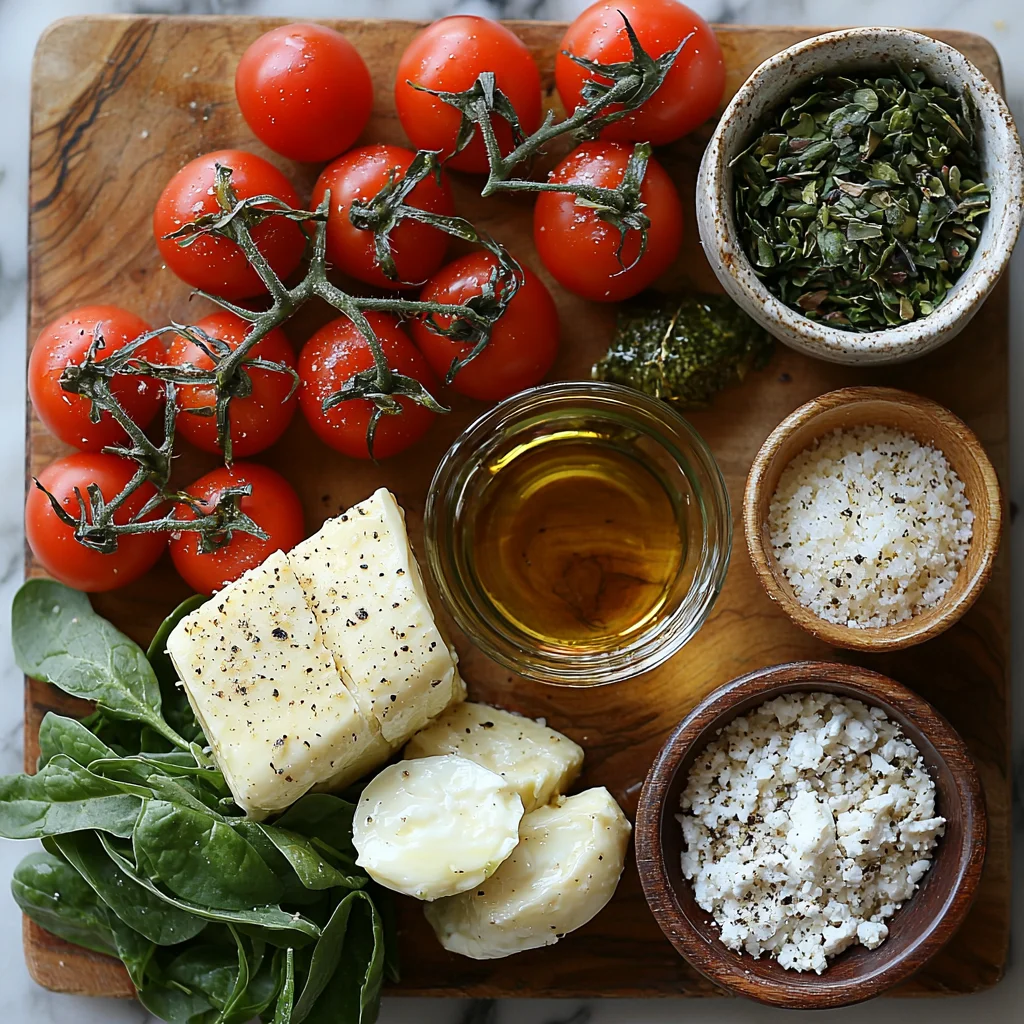
For feta cheese quesadillas, you’ll need 1 cup crumbled feta—I prefer the creamy Greek variety packed in brine for maximum flavor. If you’re out of feta, goat cheese or even ricotta mixed with lemon zest works in a pinch. Don’t skip the 1/2 cup shredded mozzarella though—it’s what gives that irresistible meltiness.
Fresh Vegetables and Herbs
The star veggies are 1 cup baby spinach (sautéed with garlic) and 1/4 cup chopped sun-dried tomatoes. I also toss in 2 tbsp chopped Kalamata olives for briny depth. Fresh herbs like 1 tbsp chopped dill or parsley brighten everything up. No spinach? Arugula or kale work too—just chop them finely.
Pantry Staples You Need
You’ll need 4 large flour tortillas (I like whole wheat for extra fiber) and 2 tbsp olive oil for toasting. For seasoning, keep it simple: 1/2 tsp dried oregano and a pinch of red pepper flakes. If you want to get fancy, a drizzle of tzatziki after cooking takes these over the top.
Step by Step Mediterranean Quesadilla Recipe
Now that you have your creamy feta, melty mozzarella, and all those vibrant veggies, let’s talk about putting them together. I’ve found that the secret to a perfect quesadilla isn’t just the ingredients, but the method. Following these simple steps for this Mediterranean fusion recipe will give you a crisp, golden, and perfectly melted meal every single time.

Prep Your Ingredients First
My biggest tip for a smooth process is to prep everything before you even think about turning on the stove. I always start by sautéing the spinach with garlic until it’s wilted, then I let it cool and squeeze out any excess liquid. While that’s cooling, I mix the feta, mozzarella, sun-dried tomatoes, olives, and herbs in a bowl.
Assembly Technique That Works
My go-to assembly technique for these Greek quesadillas is what keeps the filling neatly inside. I lay a tortilla flat and spread my prepared filling over only one half, making sure to leave a small border around the edge. Then, I simply fold the other half over and press down gently. This prevents a cheesy, oily mess in your pan.
Perfect Cooking Method
For that ideal crispy finish on your feta cheese quesadillas, I warm a skillet over medium heat with a little olive oil. I cook the quesadilla for about 2-3 minutes per side, just until it’s golden brown and crisp. You’ll know it’s done when you see that glorious mozzarella oozing out the sides. It’s pure perfection.
Expert Tips for Perfect Mediterranean Quesadillas
Getting that perfect crispy exterior while keeping the cheese melted inside requires some finesse I’ve learned through countless batches. Temperature control makes all the difference between soggy disappointment and crispy perfection. For more information, see Serious Eats Mexican.
Temperature Control Secrets
I’ve found that medium heat is your sweet spot for these Mediterranean beauties. Too high and you’ll burn the tortilla before the cheese melts properly. I always let my skillet preheat for about two minutes before adding the quesadilla. You’ll know it’s ready when a drop of water sizzles immediately. This gentle heat gives the feta time to warm through while creating that golden crust we’re after. For more information, see Bon Appétit Mexican.
Ingredient Balance Tips
The key to my Mediterranean quesadillas is restraint with wet ingredients like spinach and tomatoes. I always squeeze excess moisture from cooked spinach using paper towels, and I pat sun-dried tomatoes dry too. Too much liquid creates steam that makes tortillas soggy. I use about two tablespoons of filling per half-tortilla – enough for flavor without overwhelming the delicate balance. For more information, see Isabel Eats.
Serving and Presentation
I slice my finished quesadillas into triangular wedges using a pizza cutter for clean edges. Serving them immediately while still warm keeps that cheese perfectly gooey. A dollop of tzatziki on the side adds authentic Greek flair that complements the Mediterranean flavors beautifully.
Common Mistakes to Avoid With Mediterranean Quesadillas
Getting those perfect golden wedges I mentioned earlier isn’t just about presentation—it’s about avoiding common pitfalls that can turn your Greek quesadillas into a soggy mess. I’ve made every mistake in the book over the years, so let me save you the trouble with my hard-won lessons.
Overfilling Problems
I learned the hard way that stuffing too much feta and spinach between tortillas guarantees a structural disaster. The filling bursts out when you flip it, and the tortilla tears. Now I stick to a thin, even layer—about two tablespoons per half—which lets everything melt together without compromising that crispy exterior we all love.
Heat Management Issues
Nothing ruins feta cheese quesadillas faster than impatience with the skillet. Medium-low heat works best—high temps burn tortillas before the cheese melts. I test my pan with a water drop; if it dances, it’s ready. This gentle approach gives the Mediterranean flavors time to mingle without scorching.
Ingredient Preparation Errors
Wet ingredients are the enemy of crispiness. After one too many limp quesadillas, I now religiously pat dry sun-dried tomatoes and squeeze cooked spinach in paper towels. Even fresh herbs get chopped fine so they don’t create steam pockets. These small steps make all the difference in your Mediterranean fusion recipe.
Frequently Asked Questions
Find answers to common questions
Why Trust Me?
I’ve been perfecting my Mediterranean Quesadilla recipe for over 4 years, making them at least twice a month for my family. After burning my first batch because I didn’t realize how quickly the sun-dried tomatoes would caramelize, I learned to use medium-low heat and flip them gently with a wide spatula. My teenage daughter now requests these over regular quesadillas every single time.
My Final Thoughts
These Mediterranean quesadillas have completely changed how I think about weeknight dinners. You get all those amazing Greek flavors – the tangy feta, fresh herbs, and juicy tomatoes – wrapped up in a crispy, golden tortilla that’s ready in just minutes. I love how this recipe takes something familiar and gives it such a delicious Mediterranean twist.
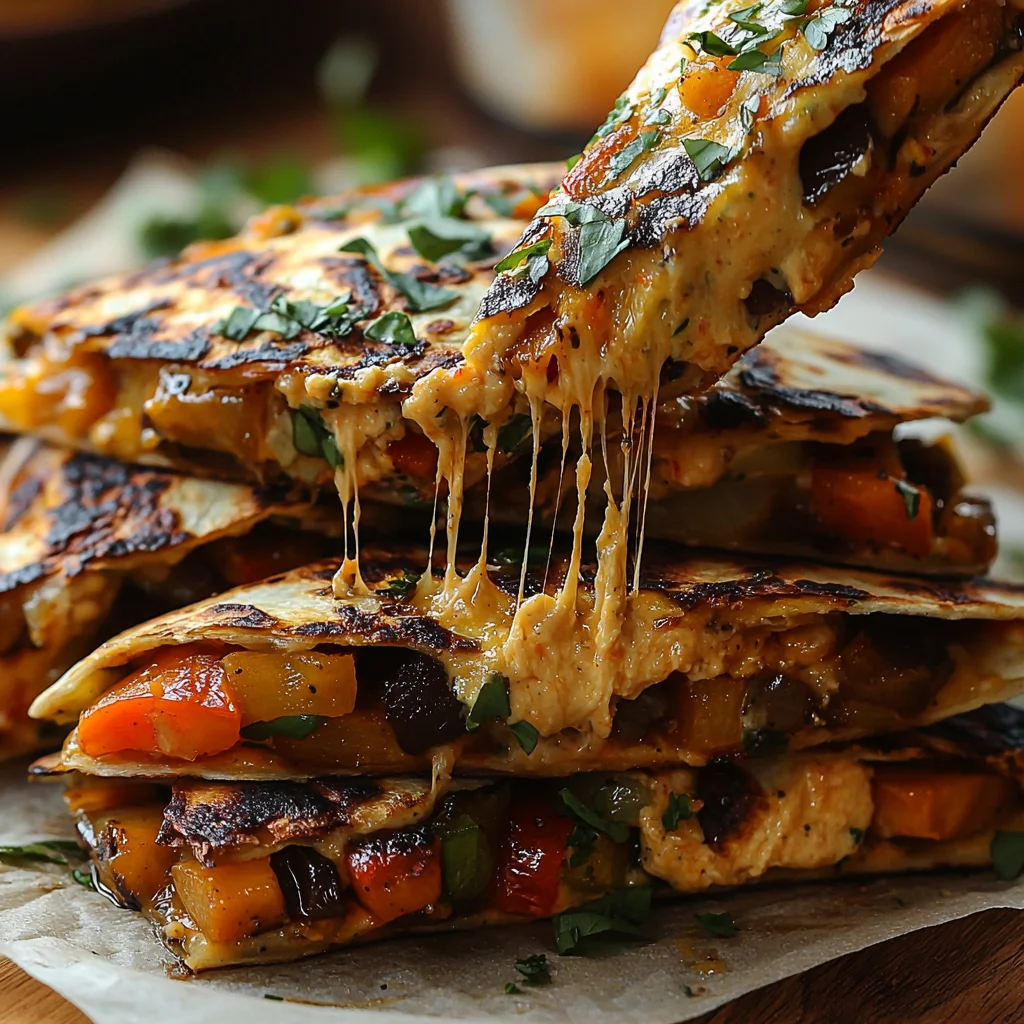
What makes this recipe truly special to me is how it brings together two of my favorite cuisines in the most unexpected way. Every time I make these, I’m reminded that the best recipes often come from thinking outside the box. Plus, they’re incredibly versatile – you can stuff them with whatever Mediterranean ingredients you have on hand.
I really hope you’ll give these a try this week. They’ve become such a go-to meal in my kitchen, and I think they’ll quickly become one of your favorites too. After you make them, I’d love to hear about it! What Mediterranean ingredients did you add to make them your own?
/* Header Section */
.rf-header { position: relative; }
.rf-header-image {
width: 100%;
height: 350px;
object-fit: cover;
display: block;
}
.rf-header-overlay {
position: absolute;
bottom: 0;
left: 0;
right: 0;
background: linear-gradient(to top, rgba(0,0,0,0.8) 0%, rgba(0,0,0,0.4) 50%, transparent 100%);
padding: 80px 24px 24px;
}
.rf-header-no-image {
background: linear-gradient(135deg, #10b981 0%, #059669 100%);
padding: 32px 24px;
}
.rf-title {
margin: 0 0 8px 0;
font-size: 32px;
font-weight: 800;
color: #ffffff;
text-shadow: 0 2px 8px rgba(0,0,0,0.3);
line-height: 1.2;
}
.rf-meta-row {
display: flex;
flex-wrap: wrap;
align-items: center;
gap: 16px;
margin-top: 12px;
}
.rf-rating {
display: flex;
align-items: center;
gap: 6px;
}
.rf-star {
width: 18px;
height: 18px;
fill: #e5e7eb;
}
.rf-star-full { fill: #f59e0b; }
.rf-star-empty { fill: rgba(255,255,255,0.3); }
.rf-rating-text {
color: rgba(255,255,255,0.9);
font-size: 14px;
font-weight: 500;
}
.rf-author {
color: rgba(255,255,255,0.85);
font-size: 14px;
display: flex;
align-items: center;
gap: 6px;
}
.rf-author svg { width: 16px; height: 16px; opacity: 0.8; }
/* Jump to Recipe Button */
.rf-jump-btn {
position: absolute;
top: 16px;
right: 16px;
background: rgba(255,255,255,0.95);
color: #059669;
border: none;
padding: 10px 18px;
border-radius: 50px;
font-size: 14px;
font-weight: 600;
cursor: pointer;
display: flex;
align-items: center;
gap: 6px;
box-shadow: 0 4px 12px rgba(0,0,0,0.15);
transition: all 0.2s ease;
text-decoration: none;
}
.rf-jump-btn:hover {
transform: translateY(-2px);
box-shadow: 0 6px 20px rgba(0,0,0,0.2);
background: #ffffff;
}
.rf-jump-btn svg { width: 16px; height: 16px; }
/* Description */
.rf-description {
padding: 20px 24px;
background: linear-gradient(to right, #f0fdf4, #ecfdf5);
border-bottom: 1px solid #d1fae5;
font-size: 16px;
color: #374151;
}
.rf-description p { margin: 0; }
/* Time Bar */
.rf-time-bar {
display: flex;
flex-wrap: wrap;
justify-content: center;
gap: 8px;
padding: 20px 24px;
background: #f9fafb;
border-bottom: 1px solid #e5e7eb;
}
.rf-time-item {
display: flex;
align-items: center;
gap: 10px;
padding: 12px 20px;
background: #ffffff;
border-radius: 12px;
border: 1px solid #e5e7eb;
min-width: 130px;
}
.rf-time-icon {
width: 40px;
height: 40px;
background: linear-gradient(135deg, #10b981, #059669);
border-radius: 10px;
display: flex;
align-items: center;
justify-content: center;
flex-shrink: 0;
}
.rf-time-icon svg {
width: 20px;
height: 20px;
stroke: white;
}
.rf-time-content {
display: flex;
flex-direction: column;
}
.rf-time-label {
font-size: 11px;
text-transform: uppercase;
letter-spacing: 0.5px;
color: #6b7280;
font-weight: 500;
}
.rf-time-value {
font-size: 16px;
font-weight: 700;
color: #111827;
}
.rf-calories-item {
background: linear-gradient(135deg, #fef3c7, #fde68a);
border-color: #fcd34d;
}
.rf-calories-item .rf-time-icon {
background: linear-gradient(135deg, #f59e0b, #d97706);
}
.rf-calories-item .rf-time-value { color: #92400e; }
.rf-calories-item .rf-time-label { color: #a16207; }
/* Main Content Grid */
.rf-content {
display: grid;
grid-template-columns: 1fr 1.2fr;
}
/* Ingredients Section */
.rf-ingredients {
padding: 28px;
background: #ffffff;
border-right: 1px solid #e5e7eb;
}
.rf-section-header {
display: flex;
align-items: center;
gap: 12px;
margin-bottom: 20px;
padding-bottom: 16px;
border-bottom: 2px solid #e5e7eb;
}
.rf-section-icon {
width: 44px;
height: 44px;
background: linear-gradient(135deg, #10b981, #059669);
border-radius: 12px;
display: flex;
align-items: center;
justify-content: center;
}
.rf-section-icon svg {
width: 22px;
height: 22px;
stroke: white;
fill: none;
}
.rf-section-title {
margin: 0;
font-size: 22px;
font-weight: 700;
color: #111827;
}
.rf-ingredients-list {
list-style: none;
margin: 0;
padding: 0;
}
.rf-ingredient-item {
padding: 0;
margin-bottom: 4px;
}
.rf-ingredient-label {
display: flex;
align-items: flex-start;
gap: 12px;
padding: 12px 14px;
border-radius: 10px;
cursor: pointer;
transition: background 0.15s ease;
}
.rf-ingredient-label:hover {
background: #f3f4f6;
}
.rf-ingredient-checkbox {
position: absolute;
opacity: 0;
width: 0;
height: 0;
}
.rf-ingredient-check {
width: 22px;
height: 22px;
border: 2px solid #10b981;
border-radius: 6px;
flex-shrink: 0;
display: flex;
align-items: center;
justify-content: center;
transition: all 0.2s ease;
margin-top: 1px;
}
.rf-ingredient-check::after {
content: '';
width: 6px;
height: 10px;
border: solid white;
border-width: 0 2.5px 2.5px 0;
transform: rotate(45deg) scale(0);
transition: transform 0.15s ease;
margin-top: -2px;
}
.rf-ingredient-checkbox:checked + .rf-ingredient-check {
background: #10b981;
border-color: #10b981;
}
.rf-ingredient-checkbox:checked + .rf-ingredient-check::after {
transform: rotate(45deg) scale(1);
}
.rf-ingredient-checkbox:checked ~ .rf-ingredient-text {
text-decoration: line-through;
color: #9ca3af;
}
.rf-ingredient-text {
font-size: 15px;
color: #374151;
line-height: 1.5;
transition: all 0.2s ease;
}
/* Instructions Section */
.rf-instructions {
padding: 28px;
background: #fafafa;
}
.rf-instructions .rf-section-icon {
background: linear-gradient(135deg, #6366f1, #4f46e5);
}
.rf-instructions-list {
list-style: none;
margin: 0;
padding: 0;
}
.rf-instruction-item {
display: flex;
gap: 16px;
padding: 18px 0;
border-bottom: 1px solid #e5e7eb;
}
.rf-instruction-item:last-child {
border-bottom: none;
padding-bottom: 0;
}
.rf-instruction-number {
width: 36px;
height: 36px;
background: linear-gradient(135deg, #6366f1, #4f46e5);
color: white;
border-radius: 50%;
display: flex;
align-items: center;
justify-content: center;
font-weight: 700;
font-size: 15px;
flex-shrink: 0;
box-shadow: 0 2px 8px rgba(99, 102, 241, 0.3);
}
.rf-instruction-text {
font-size: 15px;
color: #374151;
line-height: 1.7;
padding-top: 6px;
}
/* Notes Section */
.rf-notes {
padding: 24px;
background: linear-gradient(to right, #fffbeb, #fef3c7);
border-top: 1px solid #fcd34d;
}
.rf-notes-header {
display: flex;
align-items: center;
gap: 10px;
margin-bottom: 12px;
color: #92400e;
font-weight: 600;
}
.rf-notes-header svg {
width: 20px;
height: 20px;
stroke: #f59e0b;
}
.rf-notes-text {
margin: 0;
font-size: 14px;
color: #78350f;
line-height: 1.7;
}
/* Footer */
.rf-footer {
padding: 20px 24px;
background: #f9fafb;
border-top: 1px solid #e5e7eb;
display: flex;
justify-content: space-between;
align-items: center;
flex-wrap: wrap;
gap: 16px;
}
.rf-tags {
display: flex;
gap: 10px;
flex-wrap: wrap;
}
.rf-tag {
padding: 6px 14px;
border-radius: 50px;
font-size: 13px;
font-weight: 500;
}
.rf-tag-category {
background: linear-gradient(135deg, #e0e7ff, #c7d2fe);
color: #3730a3;
}
.rf-tag-cuisine {
background: linear-gradient(135deg, #fce7f3, #fbcfe8);
color: #9d174d;
}
.rf-actions {
display: flex;
gap: 10px;
}
.rf-btn {
display: flex;
align-items: center;
gap: 8px;
padding: 10px 18px;
border-radius: 10px;
font-size: 14px;
font-weight: 600;
cursor: pointer;
transition: all 0.2s ease;
border: none;
text-decoration: none;
}
.rf-btn svg {
width: 16px;
height: 16px;
}
.rf-btn-primary {
background: linear-gradient(135deg, #10b981, #059669);
color: white;
box-shadow: 0 2px 8px rgba(16, 185, 129, 0.3);
}
.rf-btn-primary:hover {
transform: translateY(-2px);
box-shadow: 0 4px 12px rgba(16, 185, 129, 0.4);
}
.rf-btn-secondary {
background: #ffffff;
color: #374151;
border: 1px solid #d1d5db;
}
.rf-btn-secondary:hover {
background: #f3f4f6;
border-color: #9ca3af;
}
/* Responsive Design */
@media (max-width: 768px) {
.rf-card { margin: 1rem; border-radius: 16px; }
.rf-header-image { height: 250px; }
.rf-title { font-size: 24px; }
.rf-header-overlay { padding: 60px 20px 20px; }
.rf-jump-btn {
top: 12px;
right: 12px;
padding: 8px 14px;
font-size: 13px;
}
.rf-description { padding: 16px 20px; font-size: 15px; }
.rf-time-bar { padding: 16px 20px; gap: 10px; }
.rf-time-item {
padding: 10px 14px;
min-width: calc(50% - 8px);
flex: 1;
}
.rf-time-icon { width: 36px; height: 36px; }
.rf-time-icon svg { width: 18px; height: 18px; }
.rf-content {
grid-template-columns: 1fr;
}
.rf-ingredients {
border-right: none;
border-bottom: 1px solid #e5e7eb;
padding: 24px 20px;
}
.rf-instructions { padding: 24px 20px; }
.rf-section-header { margin-bottom: 16px; padding-bottom: 12px; }
.rf-section-icon { width: 40px; height: 40px; }
.rf-section-icon svg { width: 20px; height: 20px; }
.rf-section-title { font-size: 20px; }
.rf-ingredient-label { padding: 10px 12px; }
.rf-instruction-item { padding: 14px 0; gap: 14px; }
.rf-instruction-number { width: 32px; height: 32px; font-size: 14px; }
.rf-notes { padding: 20px; }
.rf-footer {
padding: 16px 20px;
flex-direction: column;
align-items: stretch;
}
.rf-tags { justify-content: center; }
.rf-actions { justify-content: center; }
.rf-btn { flex: 1; justify-content: center; }
}
@media (max-width: 480px) {
.rf-card { margin: 0.5rem; border-radius: 12px; }
.rf-header-image { height: 200px; }
.rf-title { font-size: 20px; }
.rf-meta-row { gap: 10px; }
.rf-rating-text, .rf-author { font-size: 12px; }
.rf-time-item { min-width: 100%; }
.rf-ingredient-text, .rf-instruction-text { font-size: 14px; }
}
/* Print Styles */
@media print {
.rf-card {
box-shadow: none;
border: 1px solid #e5e7eb;
max-width: 100%;
margin: 0;
page-break-inside: avoid;
}
.rf-jump-btn, .rf-actions { display: none !important; }
.rf-header-image { height: 200px; }
.rf-content { grid-template-columns: 1fr 1fr; }
.rf-ingredient-check {
border: 2px solid #10b981 !important;
-webkit-print-color-adjust: exact;
print-color-adjust: exact;
}
.rf-instruction-number {
background: #6366f1 !important;
-webkit-print-color-adjust: exact;
print-color-adjust: exact;
}
.rf-time-icon {
background: #10b981 !important;
-webkit-print-color-adjust: exact;
print-color-adjust: exact;
}
}

Mediterranean Quesadillas
Ingredients
Equipment
Method
- Heat a small drizzle of olive oil in a skillet over medium heat. Add the minced garlic and sauté for 30 seconds until fragrant. Add the baby spinach and cook until just wilted, about 1–2 minutes. Remove from the pan, let cool slightly, and squeeze out all excess moisture using paper towels.
- In a bowl, combine the crumbled feta, shredded mozzarella, sautéed spinach, chopped sun-dried tomatoes, kalamata olives, fresh herbs, dried oregano, and red pepper flakes. Mix gently until evenly combined.
- Lay a tortilla flat and spread about 2 tablespoons of the filling mixture evenly over one half, leaving a small border around the edge. Fold the other half over and press down gently.
- Heat a skillet over medium heat with a light drizzle of olive oil. Let it preheat for about 2 minutes — test by dropping a small drop of water; if it sizzles immediately, it’s ready. Place the folded quesadilla in the skillet and cook for 2–3 minutes per side until golden brown and crispy with the mozzarella melting and oozing out the edges.
- Repeat with the remaining tortillas and filling. Slice each quesadilla into triangular wedges using a pizza cutter for clean edges. Serve immediately while still warm with tzatziki sauce on the side for dipping.