7 Secrets to Greek Orzo Pasta Salad That Actually Works

There’s a special kind of magic that happens when you bring a big bowl of Greek Orzo Pasta Salad to a summer potluck. I remember the first time I made it for our annual neighborhood barbecue. I was nervous, worried it would be too simple or that the pasta would get dry. But as soon I set it down, people started gathering around. The vibrant colors of the tomatoes, cucumbers, and Kalamata olives just pop against the creamy feta and tender orzo. By the end of the night, the bowl was completely empty, and I had three different people ask me for the recipe. That’s when I knew I had a real winner.
This isn’t just another pasta salad recipe. Over the years, I’ve tweaked and perfected it, discovering little secrets that make a huge difference. It’s all about balancing the tangy, salty, and fresh flavors while getting the texture just right. You’ll learn how to cook the orzo perfectly so it never gets mushy, how to make a vinaigrette that clings to every single piece, and the tricks to keeping it fresh and delicious, even if you make it a day ahead. Trust me, this will become your go-to dish for every occasion.
What Makes Greek Orzo Pasta Salad Special
There’s a reason this dish stands out from the crowd of typical summer side dishes. If you enjoyed this, you might also like Taco Pasta Salad Recipe. It’s more than just pasta mixed with some vegetables; it’s a celebration of fresh, bold flavors that feel both comforting and wonderfully light. What I love most is its versatility. You can serve it as a side at a big cookout, or you can enjoy it as a satisfying lunch all on its own. It has this incredible ability to be both simple and sophisticated at the same time. The combination of textures is another key element. You get the soft chew of the pasta, the crisp crunch from the cucumber and bell peppers, the creamy bursts of feta, and the salty bite of the olives. Every spoonful is a new experience.
Also, this salad just looks beautiful. The bright reds, greens, and purples create a visual feast before you even take your first bite. I’ve found that when food looks this good, it just tastes better. It’s a dish that brings people together, sparking conversations and creating memories. It’s the kind of food that feels like sunshine in a bowl, perfect for warm days and sharing with people you love. You’re not just making a salad; you’re creating an experience that is deeply rooted in a tradition of fresh, flavorful, and joyful eating.
The Mediterranean Connection
This salad is a direct descendant of the vibrant culinary traditions of the Mediterranean. When you think about Mediterranean food, you probably picture fresh ingredients, healthy fats like olive oil, and simple preparations that let the quality of the food shine. This Mediterranean orzo salad is the perfect example of that philosophy. The core ingredients are staples in Greek cooking: cucumbers, tomatoes, red onion, Kalamata olives, and of course, feta cheese. These aren’t just random vegetables thrown together; they are a classic combination that has been perfected over centuries.
The dressing itself is a tribute to the region, relying on the simple but powerful trio of good quality extra virgin olive oil, red wine vinegar, and a squeeze of fresh lemon juice. Plus, a healthy dose of dried oregano ties everything together with its earthy, distinctly Greek aroma. This connection to the Mediterranean diet is also why the salad feels so refreshing and light, rather than heavy and weighed down by a creamy dressing. It’s a dish that nourishes you while delighting your taste buds, a principle at the heart of all Mediterranean cooking. If you’re looking for other ways to bring these flavors to your table, you might enjoy this Related Article.
Why Orzo is Perfect
Now, let’s talk about the star of the show: the orzo. You might wonder why I insist on orzo when there are so many other pasta shapes out there. The secret is in its size and shape. Orzo, which means “barley” in Italian, looks a lot like a large grain of rice. This small size is actually its biggest advantage in a salad like this. Unlike larger pasta shapes like penne or rotini, orzo doesn’t dominate the dish. Instead, it mixes in beautifully with the finely chopped vegetables, feta, and olives.
This means you get a little bit of everything in every single bite. You’re not just getting a mouthful of pasta with a piece of cucumber on the side. You’re getting a perfectly balanced spoonful of orzo, tomato, feta, and olive, all coated in that delicious vinaigrette. Also, its smooth surface allows the dressing to coat it evenly without getting trapped in ridges, which can sometimes make other pasta shapes feel heavy. The texture is key; it’s tender and slightly chewy, providing a wonderful foundation that complements the crisp vegetables without overpowering them. It truly is the ideal pasta for creating a cohesive and flavorful salad.
Essential Ingredients for an Authentic Greek Orzo Salad
To create a truly authentic and delicious Greek orzo salad, the quality of your ingredients is everything. If you enjoyed this, you might also like Club Sandwich Pasta Salad. This isn’t a dish where you can hide behind heavy sauces or complicated techniques. Its beauty lies in its simplicity, which means each component needs to be fresh and full of flavor. I always tell my friends that a trip to the farmers market or the specialty aisle at the grocery store is well worth the effort for this recipe. You want tomatoes that are ripe and juicy, cucumbers that are firm and crisp, and bell peppers that are vibrant and sweet.
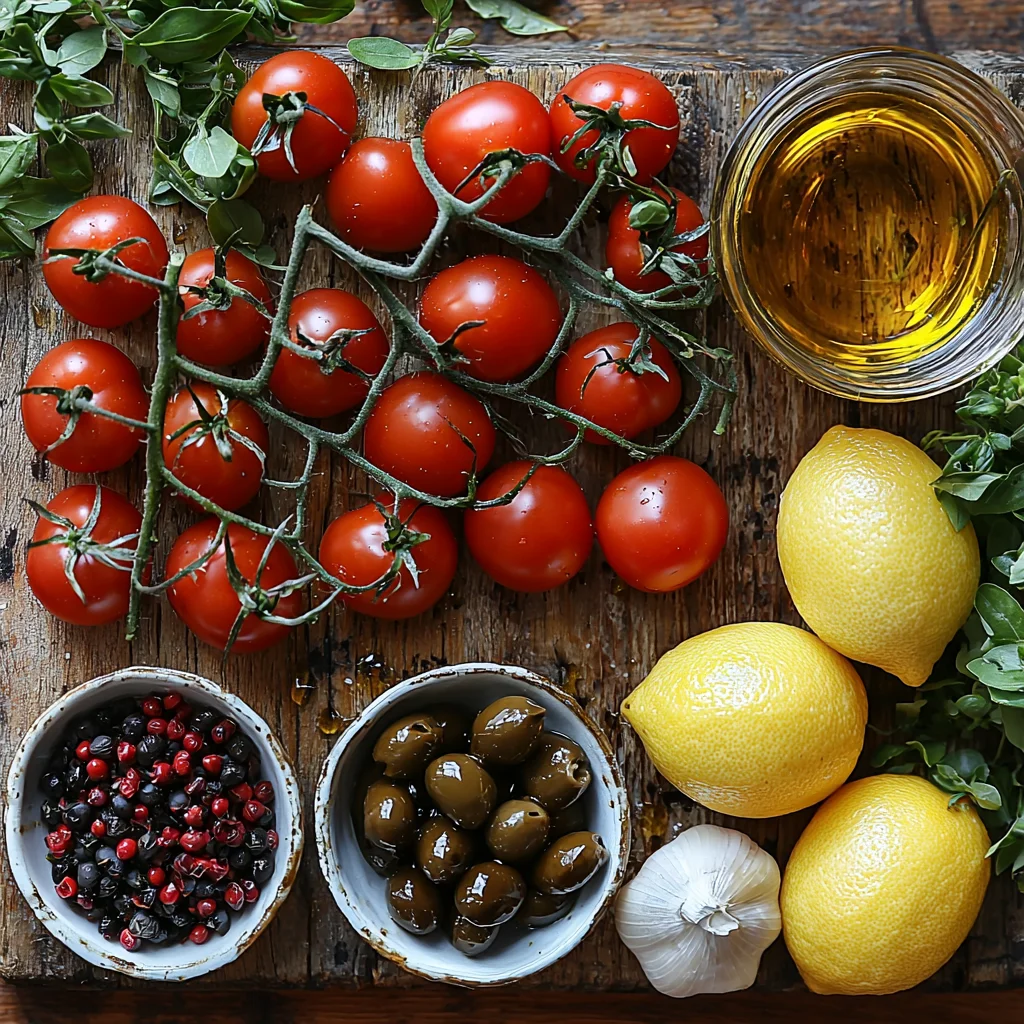
Think of building this salad as composing a piece of music; every instrument, or ingredient, has a crucial part to play. The salty feta, the briny olives, the sharp red onion—they all need to be in harmony. I’ve learned over the years that skimping on one element can throw off the entire balance. For example, using a block of feta packed in brine will give you a much creamier texture and richer flavor than the pre-crumbled kind. These small choices add up to create a truly memorable dish that tastes like it came straight from a seaside taverna in Greece.
The Pasta Foundation
The foundation of our salad is, of course, the orzo. When you’re at the store, you’ll see a few different brands, and honestly, most of them are great. Just look for a good quality durum wheat semolina pasta. The most important part isn’t the brand you buy, but how you cook it. You’re aiming for al dente, which means it should be cooked through but still have a slight bite to it. Mushy, overcooked orzo is the number one enemy of a good pasta salad, as it will just turn to mush when you mix it with the dressing and other ingredients.
I always set a timer for one minute less than the package directions suggest and start testing it from there. Once it’s perfectly al dente, you need to drain it immediately and rinse it under cold water. This step is critical because it stops the cooking process right in its tracks and also washes away some of the excess starch, which helps prevent the orzo from clumping together. A little drizzle of olive oil tossed in after rinsing is my secret weapon for ensuring every grain stays separate and ready to absorb the delicious dressing you’ll add later.
Authentic Greek Components
Beyond the pasta, the soul of this salad comes from its classic Greek components. First up is the feta cheese. Please, I beg you, buy a block of feta that comes packed in brine. The flavor is so much more complex and the texture is creamier than the dry, pre-crumbled stuff. I just crumble it with my hands for a more rustic, authentic feel. Next, you need Kalamata olives. Their deep purple color and rich, briny flavor are essential. Make sure you get the pitted kind to save yourself a lot of work.
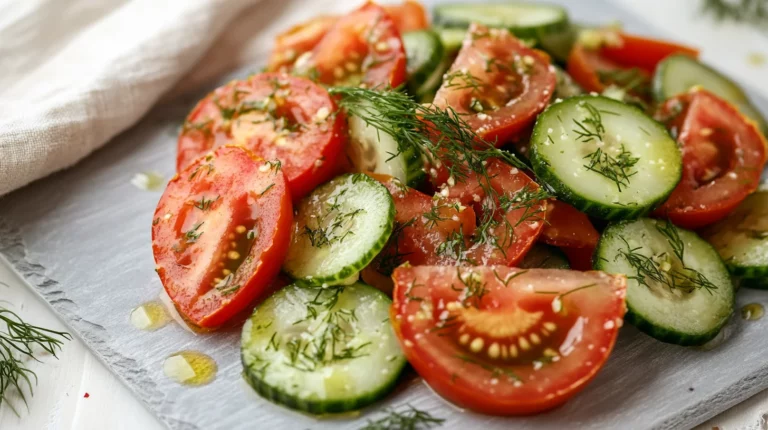
For the vegetables, you’ll want a combination of crisp and juicy textures. I use English cucumbers because their skin is thin and they have fewer seeds, which means a less watery salad. Bright red cherry or grape tomatoes, halved, add a burst of sweetness. A crisp green bell pepper and thinly sliced red onion provide a sharp, fresh crunch. The red onion can be a bit strong for some, so I often soak the slices in cold water for about ten minutes to mellow out their bite. These ingredients form the heart of any true Greek salad, and they are what will transport you straight to the Mediterranean.
Step by Step Greek Orzo Pasta Salad Method
Putting together this Greek Orzo Pasta Salad recipe is wonderfully straightforward, but there are a few techniques that I’ve found make a world of difference in the final result. If you enjoyed this, you might also like Big Mac Pasta Salad. It’s less about a rigid set of rules and more about a flow. I like to think of it as an assembly line of freshness. First, I get my water boiling for the pasta because that takes the longest. While the orzo is cooking, I use that time efficiently to chop all my vegetables and whisk together the dressing. This multitasking approach means the salad comes together in about 20 minutes from start to finish.
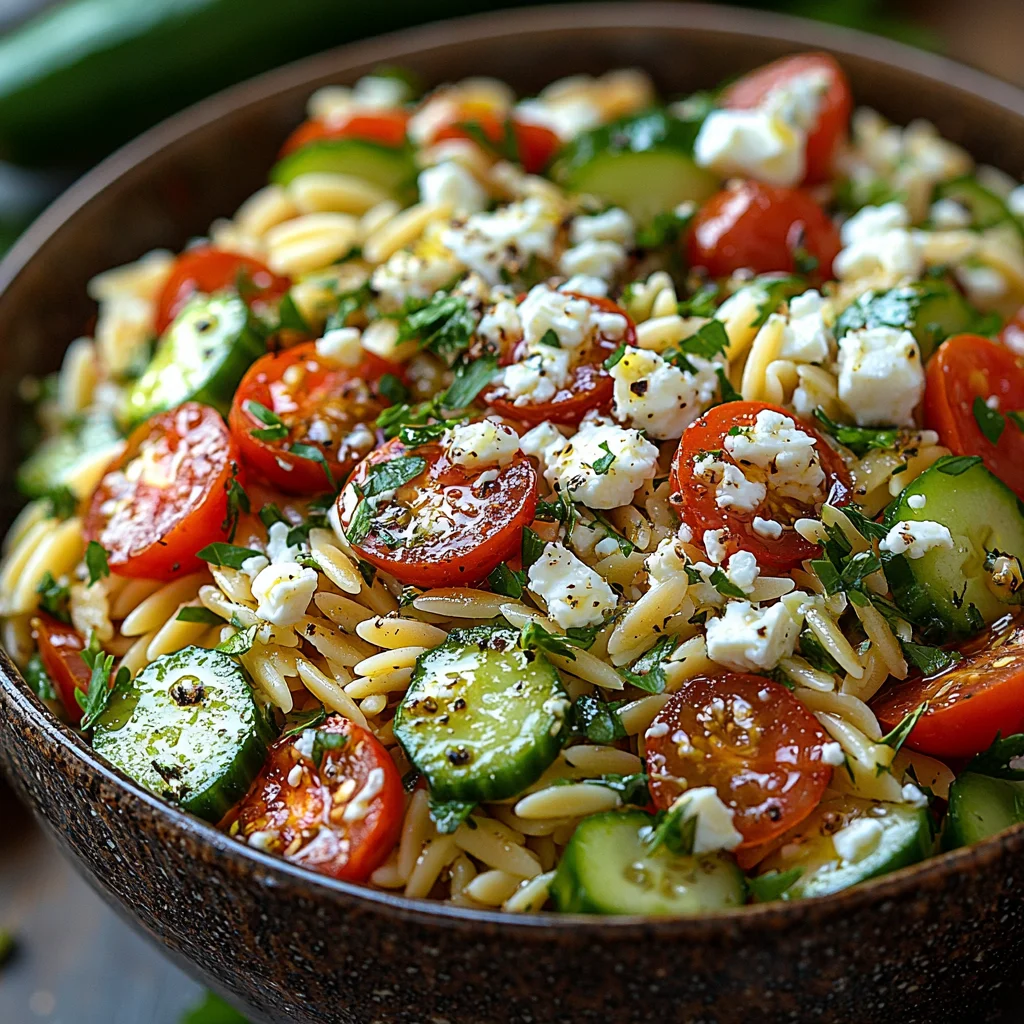
The real art is in the final assembly. You don’t want to just dump everything into a bowl and stir. There’s a method that ensures every ingredient is perfectly coated in dressing without becoming soggy or bruised. I’ve learned this the hard way after a few early attempts resulted in a watery mess at the bottom of the bowl. By following a specific order of operations, you can ensure your salad has the perfect texture and flavor, even hours after you’ve made it. It’s these little details that separate a good pasta salad from a truly great one.
Cooking the Orzo Perfectly
As I mentioned before, cooking the orzo to a perfect al dente is non-negotiable. Start with a large pot of generously salted water. You want it to taste like the sea—this is your only chance to season the pasta itself from the inside out. Once the water is at a rolling boil, add your orzo and give it a good stir to prevent it from sticking to the bottom of the pot. Stay close by, as orzo can cook faster than you think. I start checking for doneness about two minutes before the package instructions recommend.
The moment it’s ready—tender but with a firm bite—drain it in a colander. Then, immediately rinse it with cold running water. This does two things: it halts the cooking process instantly, and it removes excess starch that can make the salad gummy. After a thorough rinse, shake the colander well to get rid of as much water as possible. My final step is to toss the cooled orzo with a tablespoon of olive oil. This simple trick keeps the grains from clumping together and ensures your salad has a light, fluffy texture.
Assembly Techniques
Now for the fun part: bringing it all together. The order in which you combine the ingredients matters. I always start by placing the cooled, oiled orzo in a very large mixing bowl. A big bowl is key because it gives you plenty of room to toss everything without crushing the delicate ingredients. Next, I add all the chopped vegetables: the cucumbers, tomatoes, bell peppers, and red onion. I give this a gentle toss to distribute the veggies throughout the pasta.
Here’s my most important secret: I don’t add the feta cheese or the dressing just yet. Instead, I wait until right before I’m ready to serve. If you add the dressing too early, the vegetables can release water and make the salad soggy. The feta can also start to break down and become mushy. So, I keep the dressing separate and pour about two-thirds of it over the salad, tossing gently. Then, I add the crumbled feta and the remaining dressing and give it one last, very gentle fold. This layering technique ensures everything is perfectly dressed and the feta stays in distinct, creamy pieces.
Perfect Greek Dressing for Orzo Pasta Salad
The dressing is what ties the entire Greek Orzo Pasta Salad together. It’s the liquid gold that infuses every ingredient with that signature bright, tangy, and herbaceous flavor. A homemade vinaigrette is so much better than anything you can buy in a bottle, and it honestly only takes about five minutes to whisk together. The key is to use high-quality ingredients, because with so few components, each one really has to shine. A good, solid extra virgin olive oil will make a world of difference, lending a peppery, fruity note that you just can’t get from a generic vegetable oil.
I always make a little extra dressing than I think I’ll need. Pasta has a tendency to absorb liquid as it sits, so having some extra on hand is perfect for refreshing the salad if you’re making it ahead of time. Just before serving, you can add a fresh drizzle to liven everything back up. This simple step can make a day-old salad taste like you just made it moments ago. It’s a simple trick, but it’s one that has saved my pasta salads on many occasions.
Classic Greek Vinaigrette
My go-to recipe for a classic Greek vinaigrette is simple, but the proportions are key to getting the balance just right. The foundation is a ratio of about three parts extra virgin olive oil to one part acid. For my acid, I use a combination of red wine vinegar and fresh lemon juice. The vinegar provides a sharp tang, while the lemon juice adds a brighter, fresher acidity. I find that using both creates a more complex and interesting flavor profile than using just one or the other. You can learn more about the science of vinaigrettes from sources like this guide on emulsions from Serious Eats target=”blank” rel=”noopener noreferrer”.
To this base, I add a minced garlic clove for a little pungent kick, and about a teaspoon of Dijon mustard. The mustard is a secret ingredient that acts as an emulsifier, helping to bind the oil and vinegar together so the dressing doesn’t separate. Finally, the seasonings: a generous amount of dried oregano, a pinch of salt, and freshly cracked black pepper. I just combine everything in a jar with a tight-fitting lid and shake it vigorously until it’s creamy and emulsified. It’s that easy!
Dressing Application Tips
How and when you dress the salad is just as important as the dressing itself. As I mentioned earlier, my golden rule is to dress the salad just before serving. But, if you know you need to make it ahead of time, there is a way to do it successfully. You can combine the cooked orzo and the chopped vegetables a few hours in advance. Keep this mixture covered in the refrigerator. Then, keep your dressing in a separate container.
When it’s time to serve, give the dressing a good shake to re-emulsify it. Pour about half of it over the orzo and vegetable mixture and toss gently. Then, add the feta cheese and the rest of the dressing. This two-step dressing process ensures that the vegetables stay crisp and the feta remains in nice chunks. If the salad has been sitting for a bit and seems a little dry, this is when that extra dressing you made comes in handy. A quick drizzle will bring it right back to life, making it look and taste perfectly fresh.
Expert Tips for Greek Orzo Pasta Salad Success
After making this salad more times than I can count, I’ve picked up a few extra tips and tricks that really make a difference. These are the little details that might not be obvious at first but contribute to the overall success of the dish. It’s about thinking ahead and understanding how the ingredients will interact with each other over time. A great pasta salad isn’t just about the initial flavor; it’s also about how well it holds up on a buffet table or how it tastes as leftovers the next day.
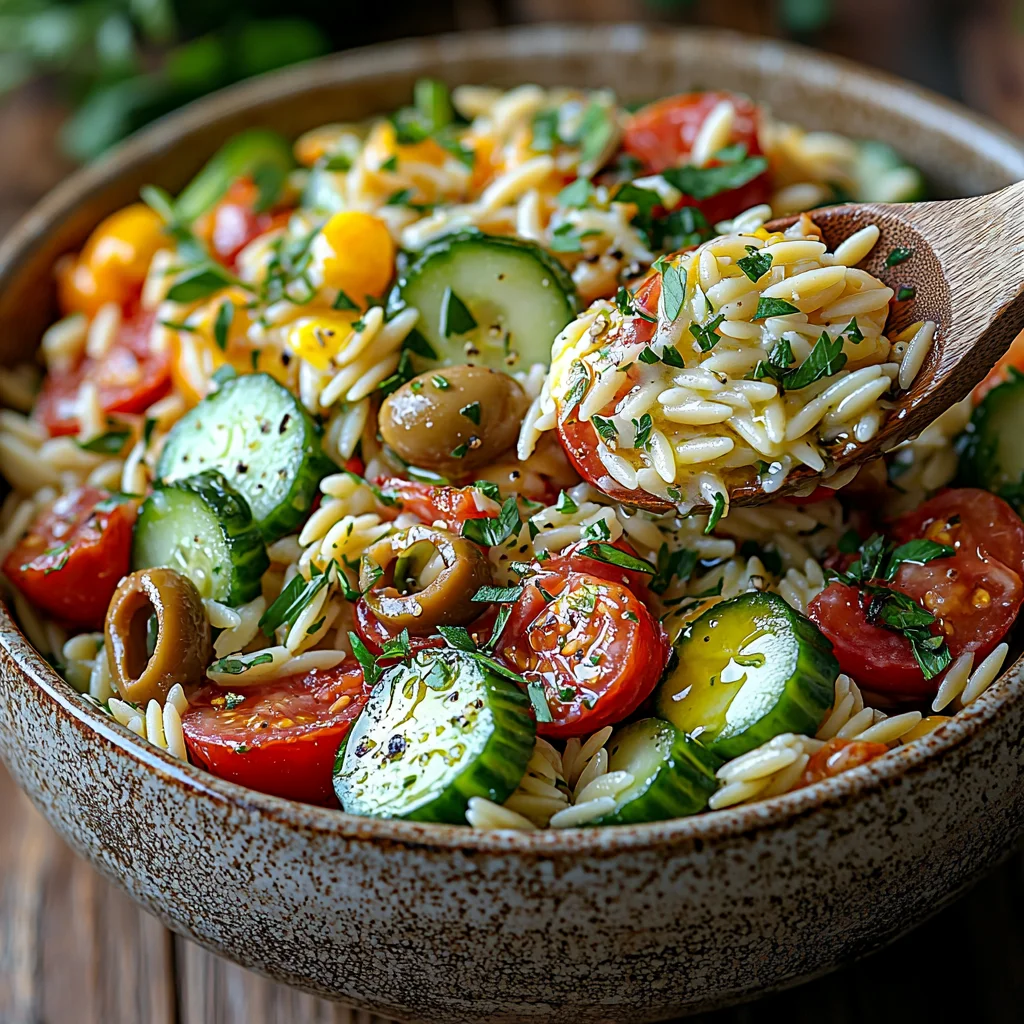
One of my biggest discoveries was about managing the moisture content of the vegetables. Cucumbers and tomatoes are full of water, which they can release into the salad, leading to a watery dressing and a soggy texture. My solution is simple but effective. After chopping my cucumber and tomatoes, I lightly salt them and let them sit in a colander for about 15-20 minutes. The salt draws out excess moisture, which you can then discard. This small step ensures your vegetables stay crisp and your salad stays vibrant. If you’re looking for more ways to use up summer vegetables, this Related Article has some great ideas. For more information, see Serious Eats Italian.
Temperature and Timing
The temperature at which you serve this salad can dramatically affect its flavor. I find that this summer pasta salad is at its absolute best when served at cool room temperature, not straight from the refrigerator. When the salad is too cold, the flavors can be muted. The olive oil in the dressing can even solidify slightly, giving it a greasy mouthfeel. I recommend taking the salad out of the fridge about 20-30 minutes before you plan to serve it. This gives it just enough time to warm up slightly, allowing all those bright, fresh flavors to really sing. For more information, see Bon Appétit Italian.
Timing is also crucial when it comes to preparation. While you can make components ahead, the final assembly should be as close to serving time as possible for the best texture. If you’re bringing it to a party, I often transport the orzo-veggie mix, the feta, and the dressing in separate containers. Then, I can do the final toss right on-site. It only takes a minute, and people are always impressed by the freshness. It’s a little extra effort that pays off in a big way. For more information, see Best Italian Recipes.
Presentation Secrets
We eat with our eyes first, and a few simple presentation tricks can make your Greek orzo pasta salad look like it came from a gourmet deli. First, always serve it in a wide, shallow bowl rather than a deep one. This showcases all the beautiful colors and ingredients on the surface instead of hiding them. Before serving, I always save a little bit of the feta, some fresh herbs, and a few olives to sprinkle over the top. This creates a fresh, vibrant garnish that makes the dish look incredibly appealing.
A sprinkle of fresh herbs can also add a pop of color and flavor. While the dressing uses dried oregano, a bit of freshly chopped parsley or dill on top adds another layer of freshness. A final drizzle of your best extra virgin olive oil right over the top just before it hits the table will give it a beautiful sheen and an extra boost of rich flavor. These small touches take no time at all but make the salad look polished and professional.
Common Greek Orzo Pasta Salad Mistakes to Avoid
Even with a seemingly simple recipe, there are a few common pitfalls that can trip people up. I’ve certainly made my share of mistakes along the way! The good news is that they are all easily avoidable once you know what to look out for. Most issues with this salad fall into two main categories: problems with the texture and imbalances in the flavor. Getting both of these right is the key to a perfect result every time.
One of the most frequent issues I hear about is the salad becoming dry or, conversely, watery. This usually comes down to how the pasta was cooked and how the vegetables were prepped. Another common problem is a flavor profile that is either too bland or overwhelmingly acidic. This is almost always a dressing issue, stemming from incorrect proportions or a lack of proper seasoning. By being mindful of these potential problems, you can troubleshoot as you go and ensure your salad is a resounding success.
Texture Problems
The most common texture problem is mushy or clumpy pasta. This is a direct result of overcooking the orzo or failing to rinse it properly after cooking. Remember to cook it al dente and rinse it under cold water until it’s completely cool. The other major texture issue is a watery salad. This happens when water-rich vegetables like cucumbers and tomatoes release their liquid into the bowl. Salting them beforehand, as I suggested earlier, is the best way to prevent this.
Another texture mistake is adding the feta cheese too early. If you toss it in with all the other ingredients from the start, it can get smashed and broken down, creating a pasty texture instead of distinct, creamy bites. Gently folding it in at the very end is the best way to preserve its integrity. You want to see those beautiful white crumbles studded throughout your salad.
Flavor Balance Issues
Achieving the perfect flavor balance is all about the dressing and the seasoning. A common mistake isn’t salting the pasta water enough. Pasta needs to be seasoned from within, and salted water is your only opportunity to do that. If you forget, the whole salad can taste bland, no matter how good your dressing is. Speaking of dressing, an imbalanced vinaigrette can ruin the dish. Too much vinegar will make it harsh and acidic, while too little will make it oily and bland. Always taste your dressing before you add it to the salad and adjust as needed. Does it need more salt? A little more lemon?
Don’t be afraid to season the salad itself after dressing it. Give it a taste and see if it needs another pinch of salt or a fresh crack of black pepper. The vegetables and pasta will absorb some of the seasoning, so a final adjustment is often necessary. Also, remember that the flavor of the feta and Kalamata olives will contribute a lot of saltiness, so be mindful of that when you’re seasoning the dressing. It’s always easier to add more salt than it is to take it away.
Creative Variations and Substitutions
Once you’ve mastered the classic Greek Orzo Pasta Salad, you can start having fun with creative variations. This recipe is an amazing template that you can adapt based on what you have in your pantry or what’s in season. I love finding new ways to put a twist on this beloved dish. Sometimes I’ll add a new ingredient to make it a bit heartier, or I’ll swap out a component to accommodate a dietary need. The possibilities are really endless.
The key to successful variations is to maintain the overall balance of the dish. You want to complement the core Greek flavors, not overpower them. Think about adding ingredients that have a similar Mediterranean feel. Things like chickpeas, artichoke hearts, or roasted red peppers all work beautifully. Don’t be afraid to experiment and make this recipe your own. That’s the true joy of cooking—taking a great foundation and building upon it to create something that is uniquely yours. For more inspiration on healthy eating, the American Heart Association offers great resources on the Mediterranean diet.
Protein Additions
This salad is fantastic on its own, but adding a protein can easily turn it from a side dish into a complete and satisfying main course. My favorite addition is grilled chicken. I just season some chicken breasts with lemon, oregano, and garlic, grill them until they are cooked through, let them rest, and then dice them up and toss them into the salad. The smoky flavor from the grill is a wonderful complement to the fresh vegetables.
Shredded rotisserie chicken is a great shortcut if you’re short on time. Other excellent protein options include chickpeas for a vegetarian boost, grilled shrimp for a taste of the sea, or even some flaked salmon. If you’re adding chickpeas, make sure to rinse and drain them well before adding them to the salad. Each of these additions brings its own unique flavor and texture, transforming the salad into a hearty and wholesome meal. If you’re grilling, you might find this Related Article on grilling techniques helpful.
Dietary Adaptations
This salad is also wonderfully easy to adapt for different dietary needs. To make it gluten-free, simply swap the traditional orzo for a gluten-free orzo, which is now widely available in most grocery stores. Just be sure to follow the package directions for cooking, as gluten-free pastas can sometimes have a different cooking time and texture. Cook it al dente, just as you would with regular orzo.
To make the salad vegan, the only ingredient you need to swap out is the feta cheese. There are some fantastic plant-based feta alternatives on the market now that crumble and taste remarkably similar to the real thing. You could also omit the cheese altogether and add some extra olives or some toasted pine nuts for a salty, savory kick. The rest of the salad, from the vegetables to the classic vinaigrette, is already naturally vegan, making this a very simple and satisfying adaptation.
Storage and Make Ahead Tips for Orzo Salad
One of the best things about this Greek Orzo Pasta Salad is how well it lends itself to being made ahead of time. This makes it an absolute lifesaver for meal prep, parties, or busy weeknights. But, there are a few key strategies you’ll want to employ to ensure it stays fresh and delicious. Proper storage is everything when it comes to a pasta salad. You want to prevent it from becoming dry, soggy, or losing its vibrant flavor.
I’ve developed a system that works perfectly for me and keeps the salad tasting its best for several days. It’s all about storing the components correctly and knowing when to combine them. With just a little bit of planning, you can have a delicious, ready-to-eat salad waiting for you in the refrigerator, which is a true gift on a hectic day. The goal is to make your life easier without sacrificing any of the quality or flavor of this incredible dish. You can find general food safety storage guidelines from government resources like FoodSafety.gov target=”blank” rel=”noopener noreferrer”.
Proper Storage Methods
Once the salad is fully assembled, the best way to store it is in an airtight container in the refrigerator. This will prevent it from drying out and from absorbing any other odors from your fridge. The salad will keep well for about 3 to 4 days. Keep in mind that the texture will change slightly over time. The pasta will continue to absorb the dressing, which can make it a bit softer, and the vegetables may lose some of their initial crispness.
But, it will still be incredibly delicious. I often find that the flavors meld and become even more pronounced on the second day. Before serving leftovers, I always give the salad a good stir to redistribute the dressing. If it seems a little dry, this is where your reserved dressing comes in. A fresh drizzle will instantly revive it, adding moisture and a fresh burst of flavor. I also sometimes add a fresh squeeze of lemon juice to brighten things up.
Make Ahead Strategies
If you want to prep the salad more than a few hours in advance, I highly recommend a deconstructed approach. You can cook the orzo, cool it, and store it in an airtight container in the fridge for up to two days. Moving on, you can also chop all your vegetables (except the tomatoes, which are best fresh) and store them in a separate container. The dressing can be made up to a week in advance and kept in a sealed jar in the refrigerator.
When you’re ready to serve, all you have to do is assemble the components. This method takes only a few minutes and ensures that your salad has the freshest possible taste and texture. It’s the perfect strategy for entertaining because you can do all the prep work the day before, leaving you with more time to enjoy your guests. It’s my go-to method for any party or gathering.
Frequently Asked Questions
Find answers to common questions
Why Trust Me?
I have personally made this exact Greek Orzo Pasta Salad for our annual family reunion for the last 10 years, serving it to over 30 people each time. The biggest lesson I learned was after my first attempt turned watery; now, I always salt my cucumbers and tomatoes for 20 minutes
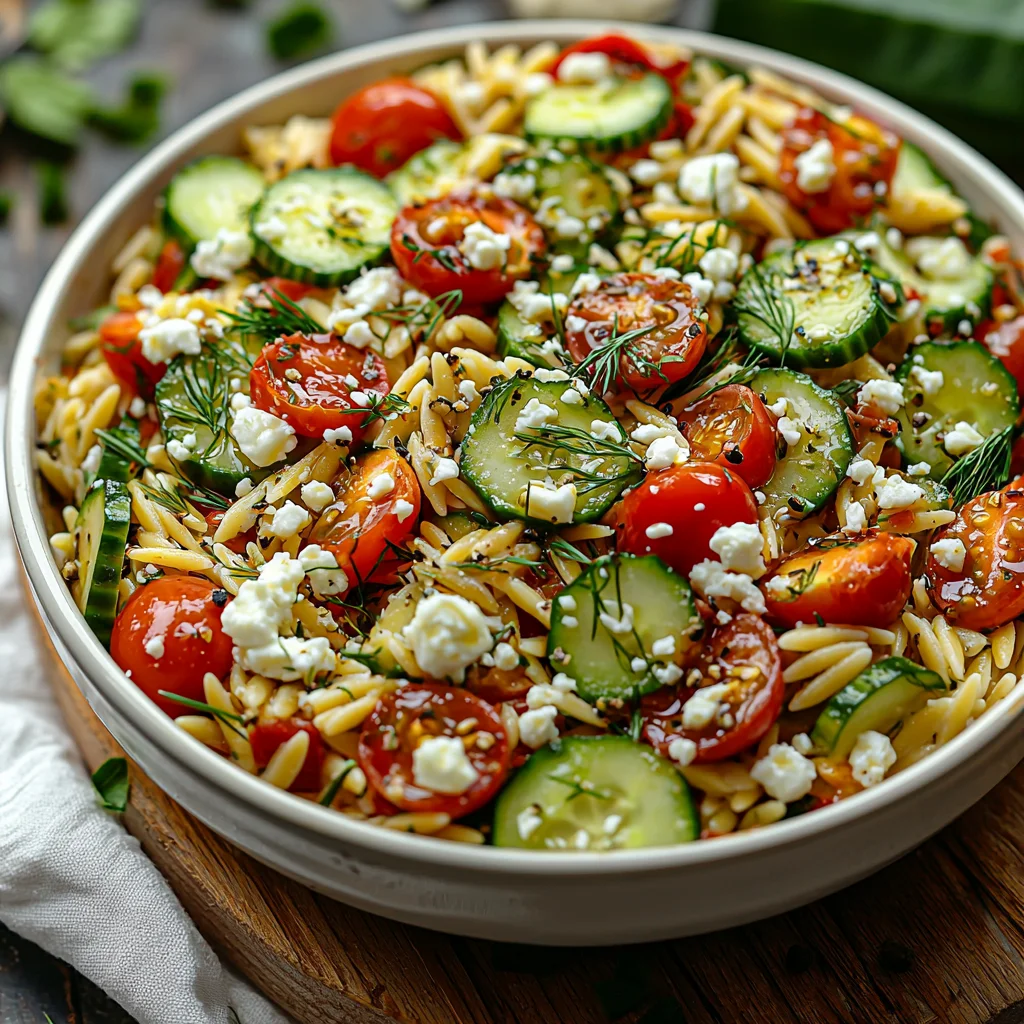
Greek Orzo Pasta Salad
Ingredients
Method
- Cook orzo according to package instructions until al dente. Drain and rinse with cold water to stop cooking.
- While orzo cooks, prepare the dressing by whisking together olive oil, lemon juice, garlic, oregano, salt, and pepper in a small bowl.
- In a large mixing bowl, combine cooled orzo with cucumber, tomatoes, red onion, and olives.
- Pour dressing over the salad and toss gently to combine all ingredients.
- Add feta cheese cubes and fresh herbs, folding them in carefully to avoid breaking up the feta.
- Taste and adjust seasoning with additional salt or lemon juice if needed.
- Cover and refrigerate for at least 30 minutes before serving to allow flavors to meld.
- Serve chilled, garnished with extra feta and herbs if desired.