6 Expert Tips and Common Mistakes to Avoid

Have you ever tasted a dish so bright and lemony it instantly transports you to a sun-drenched Greek island? That’s exactly what happened to me the first time I tried Greek lemon orzo at a tiny seaside taverna. The waiter placed that steaming bowl in front of me, and one bite of the tangy, creamy pasta with pops of fresh herbs had me hooked. I knew I had to recreate it at home—and after years of tweaking, I’ve finally cracked the code.
What makes this Greek lemon orzo so special? It’s the perfect balance of flavors—zesty lemon, rich feta, and that irresistible garlicky undertone. Plus, it comes together in under 30 minutes, making it my go-to weeknight miracle. In this recipe, I’ll walk you through my foolproof method, including the secret to getting that restaurant-quality creaminess (hint: it’s all about the broth). You’ll also learn how to adjust the lemon level to your taste and the best herbs to make it sing.
Whether you’re craving a taste of the Mediterranean or just need a quick, comforting meal, this dish won’t disappoint. Trust me, once you try it, you’ll be making it on repeat—just like I do.
What Makes Greek Lemon Orzo So Special
I’ll never forget the first time I tasted Greek lemon orzo—it was love at first bite. If you enjoyed this, you might also like Lemon Chicken Veggie Orzo Stir Fry. The way the bright lemon cuts through the creamy, garlicky orzo is pure magic. This dish, called kritharaki in Greece, is a staple for a reason. It’s simple but packed with flavor, and it reminds me of sunny afternoons by the Aegean Sea.

The Story Behind Kritharaki
In Greece, kritharaki (orzo’s local name) has been a pantry star for generations. My friend Yiayia Maria taught me it’s often served at family gatherings, simmered in tomato sauce or, like this version, kissed with lemon. It’s the kind of dish that feels like a hug—comforting yet vibrant.
Why Lemon Transforms Everything
The lemon here isn’t just a garnish—it’s the soul of the dish. A squeeze of fresh juice wakes up the rich broth, while zest adds depth. I’ve even used this trick in lemon orzo soup for an extra tangy kick. It’s a game-changer.
Versatility That Amazes
What I love most? This dish adapts to anything. Serve it as a side to Greek orzo chicken, or bulk it up with veggies for a main. Leftovers? Toss them with feta and olives for a killer lunch. It’s endlessly forgiving, just like Greek hospitality.
Essential Ingredients for Authentic Greek Lemon Orzo
Choosing the Right Orzo Pasta

Now that you know why this dish shines, let’s gather those vibrant ingredients, I always reach for high-quality orzo when making this dish. The pasta should hold its shape beautifully without turning mushy. I’ve learned that bronze-cut varieties work best—they grab onto the lemony broth like magic. Don’t settle for thin, cheap versions that’ll disappoint you. Quality kritharaki makes all the difference in texture.
Fresh Lemon Makes All the Difference
Fresh lemons are absolutely non-negotiable in my kitchen for this recipe. If you enjoyed this, you might also like Greek Style Lemon Potatoes Garlic Oregano. I’ve tried bottled juice before, and honestly, it tastes flat and artificial. When I zest and juice real lemons, the oils release this incredible aroma that transforms the entire dish. Plus, fresh lemon juice has that bright acidity that bottled versions just can’t match.
Authentic Greek Seasonings
My secret weapon? Dried oregano straight from Greece and good-quality olive oil. I also keep crumbled feta on hand for serving. These simple ingredients create layers of flavor that remind me of seaside tavernas. Sometimes I’ll add fresh dill too, especially when serving this alongside Greek orzo chicken for Sunday dinner.
Pro Tips for Restaurant Quality Results
Temperature Control Secrets
With our ingredients prepped and ready, here’s how to cook like a Greek taverna chef, When I make Greek lemon orzo, I’ve learned that temperature is key for that creamy, dreamy texture. I always simmer the broth gently—never let it boil aggressively. Too much heat can break down the kritharaki and turn it mushy. I also stir frequently to prevent sticking and keep the sauce velvety. Trust me, patience pays off with this dish.
Flavor Balance Mastery
Getting the balance right between tangy and rich is my favorite part. If you enjoyed this, you might also like Lemon Tahini White Bean Caesar Salad. I start with fresh lemon juice for brightness, then add a touch of olive oil for richness. Sometimes I’ll toss in a pinch of sugar if the lemon is too sharp. A sprinkle of dried oregano ties it all together, giving it that authentic Greek vibe every time.
Beautiful Presentation Ideas
Presentation makes this dish feel special. I love serving lemon orzo soup in shallow bowls with a drizzle of olive oil on top. For garnish, I’ll add fresh dill or parsley and crumbled feta. If I’m pairing it with Greek orzo chicken, I’ll sprinkle extra oregano and lemon zest for a pop of color. It’s all about making it look as good as it tastes!
Storage and Meal Prep Success
After making Greek lemon orzo countless times over the years, I’ve learned some valuable lessons the hard way. First, let me share the biggest mistake I see home cooks make – they don’t toast their orzo before adding liquid. Actually, this step transforms the entire dish from good to absolutely incredible. When you toast the orzo in olive oil for just two minutes, you’re creating a nutty depth that complements the bright lemon beautifully.
Next, I can’t stress enough how important it is to use the right amount of liquid. So many people treat orzo like regular pasta and use way too much water. Actually, you want just enough broth to barely cover the orzo, similar to making risotto. Plus, you’ll need to stir frequently during cooking to prevent sticking and ensure even absorption. I’ve found that using a heavy-bottomed pan makes all the difference here.
Now, here’s something that took me years to perfect – the lemon timing. Don’t add your lemon juice until the very end of cooking. Actually, I learned this lesson when my first attempt turned bitter and unpleasant. The acid in lemon juice can break down if it cooks too long, creating that harsh taste nobody wants. Instead, I add the zest during the last few minutes of cooking and save the juice for right before serving.
Temperature control is another area where I see people struggle. Actually, you want to start with medium-high heat to get things going, then reduce to medium-low once you add the liquid. Plus, if your heat’s too high, the bottom will scorch while the top stays crunchy. I’ve burned more pans than I’d like to admit learning this lesson. For more information, see FDA Food Safety.
Also, don’t forget about the resting period after cooking. Actually, I let my Greek lemon orzo sit off the heat for about five minutes before serving. This allows the remaining liquid to absorb completely and the flavors to meld together perfectly. Then, I give it one final stir and taste for seasoning adjustments. For more information, see USDA Food & Nutrition.
One mistake I made early on was not having all my ingredients prepped before starting. Actually, this dish comes together quickly once you begin, so you don’t want to be scrambling to chop herbs or grate cheese mid-cooking. Now, I always have my lemon zested, herbs chopped, and cheese grated before I even heat the pan. For more information, see Serious Eats.
Ingredient Selection and Substitutions
Choosing the right ingredients makes an enormous difference in your final dish, and I’ve experimented with countless variations over the years. First, let’s talk about orzo selection – not all brands are created equal. Actually, I prefer using a high-quality Italian or Greek brand because the texture holds up better during cooking. Plus, these varieties tend to have a better wheat flavor that complements the Mediterranean ingredients perfectly.
When it comes to lemons, freshness is absolutely crucial for this recipe. Actually, I always buy my lemons the day I plan to cook, and I look for ones that feel heavy for their size with bright, unblemished skin. Then, I roll them on the counter while pressing down before juicing to get maximum liquid. You’ll get nearly twice as much juice this way compared to just cutting and squeezing.
For the olive oil, I use extra virgin exclusively, but not my most expensive bottle. Actually, since you’re cooking with it initially, you don’t need the premium stuff you’d use for finishing. But, I do drizzle a little high-quality olive oil on top just before serving for that extra flavor boost.
Now, let’s discuss substitutions because I know not everyone has access to every ingredient. Actually, if you can’t find orzo, you can use small shells, ditalini, or even broken spaghetti pieces. Plus, these shapes work similarly in terms of cooking time and liquid absorption. I’ve also made this successfully with pearl couscous when I was in a pinch.
For the broth, I typically use vegetable or chicken stock, but you can substitute with vegetable bouillon dissolved in water. Actually, I sometimes use half broth and half white wine for extra depth, though you’ll want to let the alcohol cook off first. Then, if you’re avoiding alcohol completely, just use all broth and maybe add a splash of white wine vinegar at the end.
Herb substitutions work beautifully in this dish too. Actually, while I love fresh dill and parsley together, you can use whatever Mediterranean herbs you have available. Plus, fresh oregano, basil, or even mint create delicious variations. I’ve learned that dried herbs work in a pinch, but use about one-third the amount and add them earlier in the cooking process.
Cheese alternatives are endless here. Actually, while feta is traditional and my personal favorite, I’ve made wonderful versions with goat cheese, ricotta salata, or even freshly grated Parmesan. Then, for a dairy-free version, you can skip the cheese entirely and add extra herbs and a handful of toasted pine nuts for richness. The dish remains absolutely delicious without any cheese at all.
Refrigeration Best Practices
Your orzo turned out amazing, right? Let’s keep it tasting fresh with these storage tricks, I’ve learned that proper storage makes all the difference with Greek lemon orzo. First, I let the dish cool completely before transferring it to airtight containers. The orzo absorbs liquid as it sits, so I always save extra broth separately. Actually, I store my lemon orzo soup for up to four days in the fridge, and it tastes even better the next day when the flavors meld together beautifully.
Reheating Without Losing Quality
Reheating requires gentle care to maintain that perfect texture. I never use the microwave because it makes the kritharaki mushy and uneven. Instead, I warm it slowly on the stovetop with a splash of broth or water. Then I stir frequently and add fresh lemon juice at the end. This method keeps the orzo tender but not overcooked, just like when I first made it.
Smart Meal Prep Strategies
My Sunday meal prep always includes a big batch of this dish. I portion it into individual containers with extra feta and herbs on the side. Plus, I’ll prep Greek orzo chicken separately and combine them throughout the week. Actually, I’ve found that storing the components separately gives me more flexibility for different meals and keeps everything tasting fresh and vibrant.
Final Thoughts
This Greek Lemon Orzo is my go-to when I want something bright, comforting, and ridiculously easy. The zesty lemon and herby freshness make it taste like sunshine in a bowl, while the creamy feta adds just the right salty tang. Plus, it’s ready in under 30 minutes—perfect for busy weeknights or last-minute potlucks.

I’ve been making this dish for years, ever since my aunt shared it after a trip to Santorini. It’s become my little kitchen secret for impressing guests without stressing.
Give it a try and let me know what you think! Did you add extra garlic or swap in kalamata olives? I’d love to hear your twists. And if you’re as obsessed as I’m, don’t forget to save the recipe for your next craving.
What’s your favorite way to brighten up a simple pasta dish?
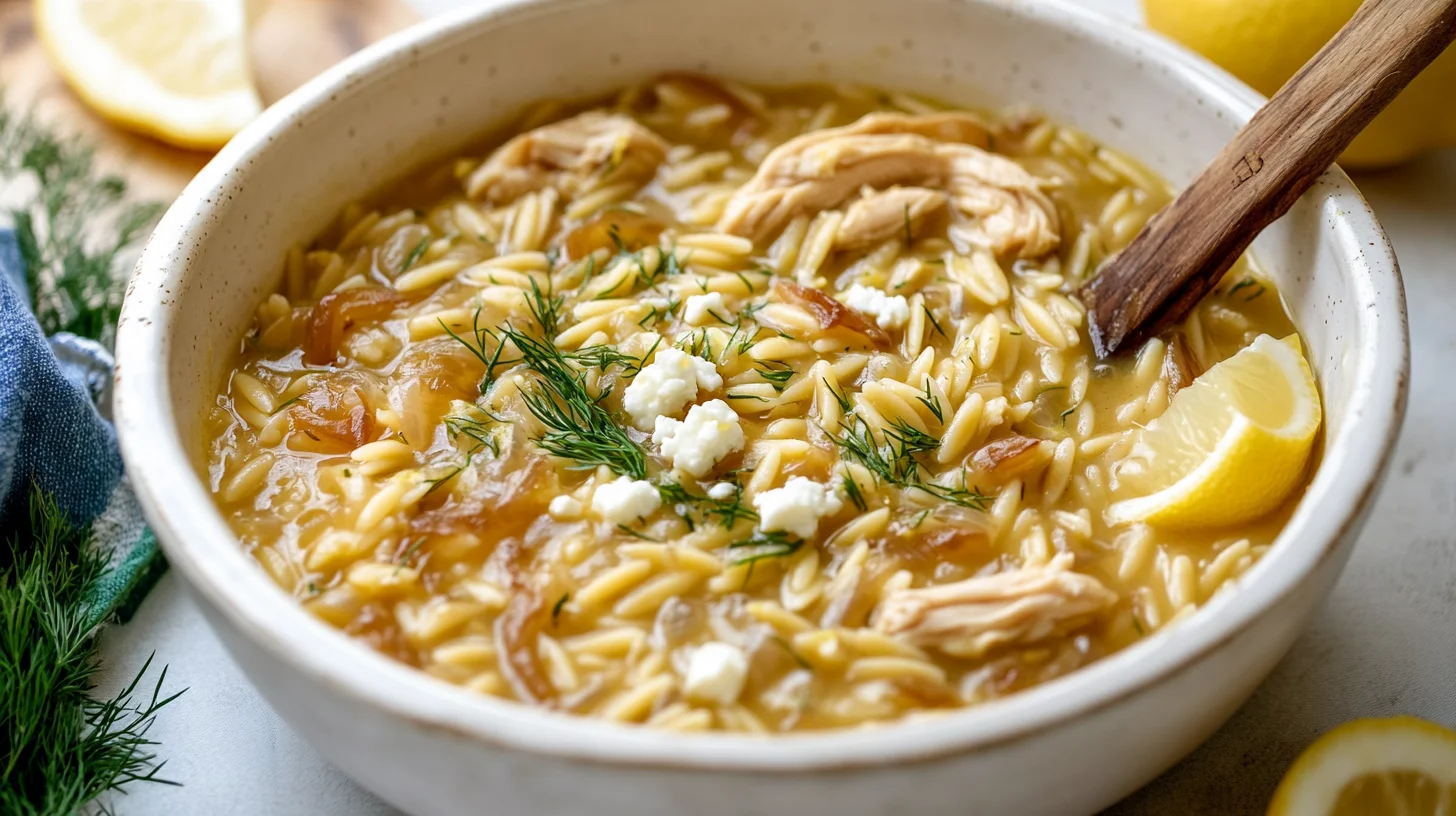
Greek Lemon Orzo
Ingredients
Method
- Step 1: In a medium saucepan, heat olive oil over medium heat. Add minced garlic and sauté for 1 minute until fragrant.
- Step 2: Add dry orzo to the pan and toast for 2 minutes, stirring frequently, until lightly golden.
- Step 3: Pour in vegetable broth and lemon juice. Bring to a boil, then reduce heat to low and cover.
- Step 4: Simmer for 10-12 minutes until orzo is tender and liquid is absorbed, stirring occasionally.
- Step 5: Remove from heat and stir in cherry tomatoes, olives, feta cheese, parsley and oregano.
- Step 6: Season with salt and pepper to taste. Let sit covered for 5 minutes to allow flavors to meld.
- Step 7: Serve warm with extra lemon wedges and a sprinkle of fresh parsley on top.