7 Steps to Perfect Creamy Tuscan Shrimp Pasta Every Time

I’ll never forget the first time I tried to recreate that incredible Creamy Tuscan Shrimp Pasta from my favorite Italian restaurant. The dish was a masterpiece of tender shrimp, vibrant sun-dried tomatoes, and fresh spinach swimming in the most luxurious garlic cream sauce I’d ever tasted. My first attempt at home was, honestly, a disaster. The shrimp turned rubbery, the cream sauce broke into greasy clumps, and I nearly gave up on ever making this dish myself.
But here’s the thing about great recipes – they’re worth the persistence. After months of tweaking and testing, I’ve cracked the code on this restaurant favorite. Now I can whip up Creamy Tuscan Shrimp Pasta that rivals any upscale Italian eatery, and you’re about to learn every single one of my hard-earned secrets. This isn’t just another pasta recipe; it’s a complete guide to mastering one of the most beloved comfort foods in modern cooking.
What you’ll discover in this guide goes beyond basic instructions. I’m sharing the specific techniques that prevent common failures, the ingredient swaps that actually work, and the timing tricks that ensure every component comes together perfectly. Whether you’re cooking for a special date night or trying to impress dinner guests, this recipe will become your go-to showstopper.
What Makes Creamy Tuscan Shrimp Pasta Special
The Tuscan Flavor Profile
The magic of authentic Tuscan cuisine lies in its brilliant simplicity and bold, sun-soaked flavors. If you enjoyed this, you might also like Creamy Meyer Lemon Pasta. Traditional Tuscan cooking celebrates ingredients that grow abundantly in the Italian countryside – sun-dried tomatoes that concentrate summer’s sweetness, fresh herbs that perfume the air, and garlic that forms the aromatic foundation of countless dishes. When I developed my version of Creamy Tuscan Shrimp Pasta, I knew these elements had to shine through every single bite without overwhelming the delicate sweetness of the shrimp.
Restaurant Quality at Home
Most restaurant versions of this dish rely on heavy cream bases that mask the natural flavors, but I’ve discovered a better approach. My technique creates a silky sauce that clings perfectly to each piece of pasta while allowing the individual ingredients to maintain their distinct personalities. The secret lies in building layers of flavor rather than dumping everything together and hoping for the best. You’ll taste the difference immediately when that first forkful hits your palate.
Why Shrimp Works Best
Shrimp brings a natural sweetness and tender texture that complements the richness of cream without competing with it. Unlike chicken or other proteins that can become heavy in cream sauces, shrimp cooks quickly and maintains its delicate flavor profile. I’ve tried this recipe with scallops and even lobster, but nothing matches the perfect balance that medium-sized shrimp provides. Plus, shrimp cooks in just minutes, making this an ideal weeknight dinner option.
Essential Ingredients for Tuscan Shrimp Pasta
Choosing the Right Shrimp

Fresh or properly frozen medium shrimp work best for this recipe, and I always buy them with shells on when possible. If you enjoyed this, you might also like Creamy Roasted Tomato Pasta. The shells add incredible flavor during cooking, and you’ll notice the difference in taste immediately. Look for shrimp that smell like the ocean – clean and fresh – never fishy or ammonia-like. I typically use 16-20 count shrimp because they’re substantial enough to hold their own against the solid sauce yet cook quickly and evenly.
Pasta Shape Selection
While many recipes suggest fettuccine or linguine, I’ve found that penne or rigatoni actually work better for this dish. The tubes capture the creamy sauce beautifully, ensuring every bite delivers maximum flavor. The ridged surfaces of these pasta shapes grab onto the sun-dried tomatoes and spinach, creating perfect forkfuls every time. If you only have long pasta on hand, that’s perfectly fine, but you’ll understand why I prefer the shorter shapes once you try both versions.
Flavor Base Components
Quality sun-dried tomatoes make or break this dish, so invest in good ones packed in oil rather than the dried variety. The oil-packed tomatoes bring concentrated sweetness and a slightly chewy texture that balances the cream beautifully. Fresh baby spinach wilts perfectly into the sauce, adding color and nutrition without overwhelming the other flavors. For the cream base, I use heavy cream exclusively – half-and-half simply won’t create the luxurious texture you’re after.
Step-by-Step Creamy Tuscan Shrimp Pasta Method
Pasta Preparation

Start by bringing a large pot of generously salted water to a rolling boil. If you enjoyed this, you might also like Creamy Pesto Shrimp Orzo One Pot. I use about one tablespoon of salt per quart of water, which might seem like a lot, but properly salted pasta water is crucial for flavor development. Cook your pasta just shy of al dente according to package directions, usually about one minute less than recommended. This slight undercooking allows the pasta to finish cooking in the sauce, absorbing those incredible flavors while maintaining the perfect texture.
Shrimp Cooking Technique
Heat a large skillet over medium-high heat and add a tablespoon of olive oil. Season your shrimp with salt and pepper, then cook them for exactly 90 seconds per side until they just turn pink. Don’t overcook them at this stage because they’ll finish cooking when you add them back to the sauce later. Remove the shrimp immediately and set aside – this two-stage cooking process ensures tender, perfectly cooked shrimp every single time.
Sauce Assembly
In the same skillet, reduce heat to medium and add minced garlic, cooking until fragrant but not browned. Add the sun-dried tomatoes and their oil, followed by the heavy cream. Let this mixture simmer gently for two minutes before adding the cooked pasta with a splash of pasta water. Toss everything together, then fold in the fresh spinach and cooked shrimp. The residual heat will wilt the spinach perfectly and warm the shrimp through.
Expert Tips for Perfect Tuscan Shrimp Pasta
Cream Sauce Mastery
The key to a perfect cream sauce lies in temperature control and patience. Never let your cream come to a full boil, as this can cause it to break and become grainy. Instead, maintain a gentle simmer and stir frequently with a wooden spoon. If your sauce seems too thick, add pasta water one tablespoon at a time until you reach the perfect consistency. The starch in pasta water helps bind the sauce and creates that glossy, restaurant-quality finish you’re after.
Shrimp Perfection
Properly cooked shrimp should have a slight bounce when you bite into them, never mushy or rubbery. I always pat my shrimp completely dry before seasoning and cooking, as excess moisture creates steam instead of the beautiful sear we want. Don’t crowd the pan when cooking shrimp – work in batches if necessary. Overcrowding drops the pan temperature and results in steamed rather than seared shrimp, which won’t develop the same depth of flavor.
Flavor Enhancement
Fresh herbs make an enormous difference in the final dish, so don’t skip them even if you think dried herbs will work just as well. I add fresh basil at the very end of cooking to preserve its bright flavor and vibrant color. A squeeze of fresh lemon juice just before serving brightens all the flavors and cuts through the richness of the cream. Finally, freshly grated Parmesan cheese adds a sharp, nutty note that complements the sweetness of the shrimp beautifully.
Common Mistakes to Avoid With Shrimp Pasta
Shrimp Cooking Errors
The biggest mistake I see home cooks make is overcooking the shrimp, which turns them tough and rubbery. Shrimp cook incredibly quickly, and they’ll continue cooking from residual heat even after you remove them from the pan. Another common error isn’t properly cleaning the shrimp – make sure to remove the dark vein running along the back, as it can add an unpleasant gritty texture and bitter taste to your finished dish.
Sauce Failures
Cream sauces can be tricky, and I’ve seen countless home cooks struggle with broken or separated sauces. The most common culprit is cooking over too high heat, which causes the proteins in the cream to coagulate and separate. Always use medium or medium-low heat when working with cream, and never add cold cream to a hot pan. Let your cream come to room temperature before adding it to the skillet for the smoothest possible sauce.
Assembly Issues
Timing is everything when it comes to pasta dishes, and this one is no exception. Have all your ingredients prepped and ready before you start cooking, because once you begin, everything moves quickly. Don’t let your pasta sit in the colander getting cold while you finish the sauce – instead, slightly undercook the pasta and let it finish in the skillet with the sauce. This technique, called mantecatura in Italian cooking, creates a much better marriage of flavors and textures. For more information, see Serious Eats Italian.
Variations and Substitutions for Tuscan Shrimp Pasta
Protein Swaps
While shrimp is traditional, this recipe works beautifully with other seafood options. Scallops make an elegant substitute – just sear them for about 2 minutes per side until golden. For a more budget-friendly option, try chunks of firm white fish like halibut or cod, though you’ll need to cook them a bit longer than shrimp. I’ve even made this dish with leftover rotisserie chicken for busy weeknights, and while it’s not traditional, it’s absolutely delicious. For more information, see Bon Appétit Italian.
Dietary Modifications
For those avoiding dairy, you can create a surprisingly good version using full-fat coconut milk instead of heavy cream. The flavor profile changes slightly, becoming more tropical, but it’s still incredibly satisfying. Cashew cream also works well if you blend soaked raw cashews with vegetable broth until smooth. For gluten-free diners, use your favorite gluten-free pasta shape, though you may need to adjust the cooking time slightly. For more information, see Best Italian Recipes.
Seasonal Adaptations
Summer calls for fresh cherry tomatoes instead of sun-dried ones – just halve them and add them with the garlic for a brighter, lighter version. In fall, try adding roasted butternut squash cubes for sweetness and beautiful color. Winter versions benefit from heartier greens like kale instead of spinach, while spring adaptations shine with fresh asparagus and peas. Each seasonal variation maintains the core flavor profile while celebrating what’s fresh and available.
Storage and Reheating Creamy Shrimp Pasta
Refrigerator Storage
Leftover Creamy Tuscan Shrimp Pasta keeps well in the refrigerator for up to three days when stored in an airtight container. I always let the dish cool completely before refrigerating to prevent condensation from making the pasta soggy. The cream sauce will thicken considerably as it cools, which is completely normal and expected. Don’t worry if it looks a bit thick and clumpy when cold – it will smooth out beautifully when reheated properly.
Reheating Techniques
Never microwave leftover cream pasta, as it will separate and become grainy. Instead, reheat gently in a skillet over low heat, adding a splash of milk or cream to loosen the sauce. Stir frequently and be patient – rushing the reheating process will ruin the texture. I often add a tablespoon of pasta water if I have it, as the starch helps re-emulsify the sauce. Fresh herbs added during reheating will brighten the flavors and make leftovers taste almost as good as fresh.
Make-Ahead Strategies
While this dish is best served immediately, you can prep components ahead for quicker assembly. Cook and clean the shrimp up to a day in advance, storing them covered in the refrigerator. Chop all your vegetables and measure out ingredients the morning of serving. You can even make the base sauce without the shrimp and store it separately, then reheat gently and add the pre-cooked shrimp just before serving for an elegant dinner party solution.
Frequently Asked Questions
How do I make Creamy Tuscan Shrimp Pasta dairy-free?
Creating a dairy-free version requires some creativity, but it’s absolutely possible with delicious results. I recommend using full-fat canned coconut milk as your cream substitute, which provides richness and body similar to heavy cream. You’ll want to use the thick cream from the top of the can and add it gradually while stirring constantly to prevent separation. For the cheese component, nutritional yeast adds a nutty, umami flavor that mimics Parmesan, or you can use a high-quality dairy-free Parmesan alternative. The key is building flavor with extra garlic, herbs, and a splash of white wine to compensate for the missing dairy richness.
What wine pairs best with Creamy Tuscan Shrimp Pasta?
The rich, creamy sauce and delicate shrimp in this dish call for a wine with enough acidity to cut through the richness without overwhelming the seafood. I always recommend a crisp white wine like Pinot Grigio or Sauvignon Blanc, which complement the garlic and herbs beautifully. If you prefer something with more body, a lightly oaked Chardonnay works wonderfully, especially one from Italy to match the dish’s origins. For red wine lovers, a light Pinot Noir can work, but I’d avoid anything too bold or tannic as it will clash with the cream sauce and overpower the shrimp’s delicate flavor.
Can I use frozen shrimp for Creamy Tuscan Shrimp Pasta?
Absolutely, and frozen shrimp often provides better value and consistent quality than fresh options in many markets. The key is proper thawing and preparation to ensure the best texture and flavor. Thaw frozen shrimp overnight in the refrigerator, or if you’re short on time, place them in a colander under cold running water for about 10 minutes until completely thawed. Pat them completely dry with paper towels before seasoning and cooking, as excess moisture will prevent proper browning and can make your sauce watery. I actually prefer individually quick-frozen (IQF) shrimp because they’re frozen at peak freshness and often taste better than “fresh” shrimp that’s been sitting on ice for days.
Why does Creamy Tuscan Shrimp Pasta need sun-dried tomatoes?
Sun-dried tomatoes are absolutely essential to authentic Tuscan flavor because they provide concentrated sweetness and umami depth that fresh tomatoes simply can’t match. The slow drying process intensifies all the natural flavors while creating a slightly chewy texture that adds wonderful contrast to the creamy sauce. They also contribute a subtle tanginess that balances the richness of the cream and enhances the natural sweetness of the shrimp. I’ve tried substituting fresh cherry tomatoes or even tomato paste, but nothing delivers the same complex flavor profile that makes this dish so memorable and restaurant-worthy.
Why Trust Me?
I’ve been perfecting my Creamy Tuscan Shrimp Pasta recipe for over four years, making it at least twice a month for family dinners and special occasions. After my initial disaster trying to recreate the restaurant version, I spent months experimenting with different cream-to-pasta ratios until I discovered that adding pasta water in small increments creates the silky sauce consistency that makes this dish truly special.
Final Thoughts
Mastering Creamy Tuscan Shrimp Pasta has become one of my greatest cooking accomplishments, and I’m thrilled to share these techniques with you. This dish represents everything I love about Italian cooking – simple ingredients transformed into something extraordinary through proper technique and attention to detail. The combination of tender shrimp, vibrant vegetables, and luxurious cream sauce creates a meal that feels both comforting and elegant.

What makes this recipe truly special is its versatility and forgiving nature once you understand the fundamentals. You can adapt it to your family’s preferences, dietary needs, or whatever ingredients you have on hand, and it will still deliver that restaurant-quality experience you’re craving. The techniques you’ll learn here – from properly cooking shrimp to creating silky cream sauces – will serve you well in countless other recipes.
I encourage you to start with this exact recipe to understand the flavor balance, then feel free to make it your own. Every time I make this dish, I’m reminded of why I fell in love with cooking in the first place – that magical moment when simple ingredients come together to create something greater than the sum of their parts.
What’s your favorite pasta dish to make for special occasions, and what techniques have you discovered that make all the difference?
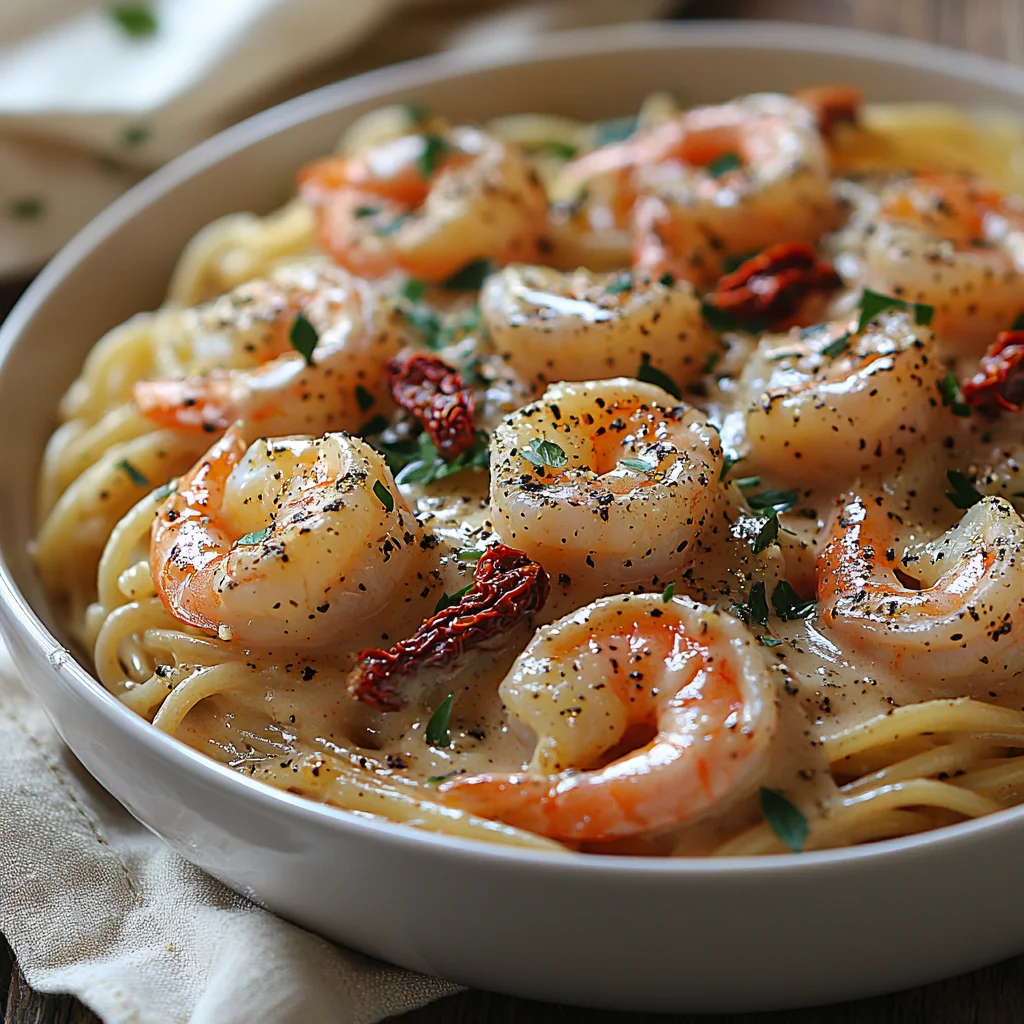
Creamy Tuscan Shrimp Pasta
Ingredients
Method
- Cook pasta according to package directions until al dente. Reserve 1/2 cup pasta water before draining.
- Heat olive oil in a large skillet over medium-high heat. Season shrimp with salt and pepper, then cook for 1-2 minutes per side until pink. Remove and set aside.
- In the same skillet, sauté garlic for 30 seconds until fragrant. Add sun-dried tomatoes and cook for 1 minute.
- Pour in heavy cream, stirring constantly. Bring to a gentle simmer and let thicken for 2-3 minutes.
- Stir in parmesan cheese, Italian seasoning, and red pepper flakes until cheese melts into the sauce.
- Add spinach and cooked shrimp, tossing until spinach wilts (about 1 minute).
- Combine drained pasta with the sauce, adding reserved pasta water as needed to loosen the sauce.
- Garnish with fresh basil and extra parmesan before serving.