6 Surprising Tips for Incredible Chicken Francese,

As I take my first bite of Chicken Francese, the aroma of white wine, garlic, and lemon instantly transports me to my grandmother’s kitchen, where I spent countless Sundays watching her cook up a storm. You’ll love this classic Italian-American dish as much as I do, and I’m excited to share my secrets for making it truly unforgettable. My family’s recipe for Chicken Francese has been passed down through generations, and I’ve tweaked it over the years to make it my own – now, I’m eager to share it with you. First, I remember helping my grandmother prepare this dish for special occasions, and I was always fascinated by the way the chicken breasts would simmer in the rich, creamy sauce. Next, as I grew older, I started experimenting with different ingredients and techniques to make the recipe my own, and I’ve learned a thing or two about what makes a great Chicken Francese. Now, I’m happy to share my knowledge with you, and you’ll learn how to make this beloved dish with ease – from the importance of using high-quality chicken breasts to the secret ingredient that takes the sauce to the next level. Also, you’ll discover how to avoid common mistakes that can ruin the dish, and I’ll walk you through the process of preparing Chicken Francese like a pro, so you can impress your family and friends with this mouthwatering meal. Plus, I’ll share some surprising tips and tricks that will take your Chicken Francese to new heights, and you’ll be amazed at how easy it is to make this restaurant-quality dish in the comfort of your own home.
Understanding Chicken Francese
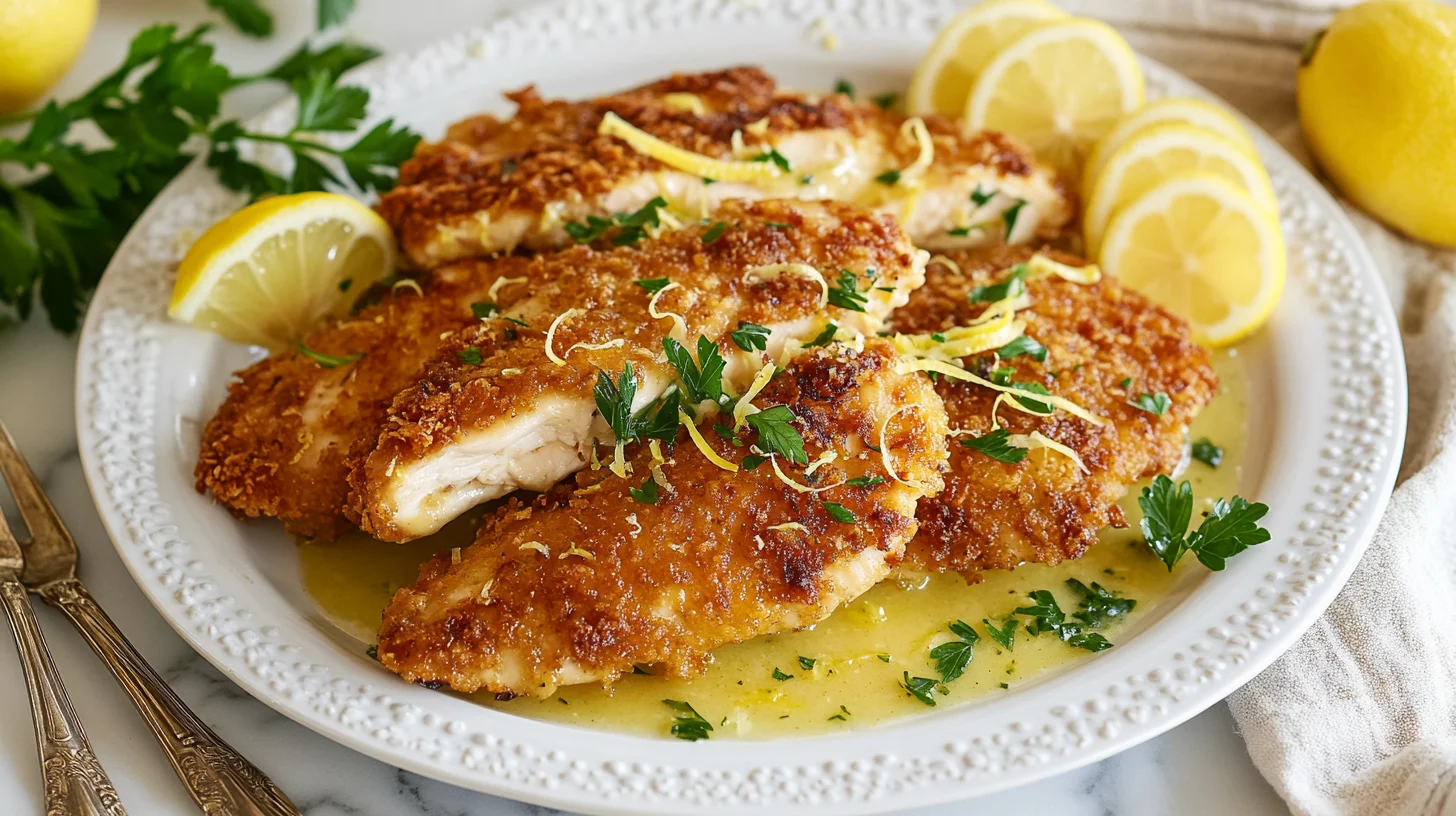
When I first tried Chicken Francese, I thought it was just another lemon chicken dish—but boy, was I wrong. If you enjoyed this, you might also like Chi Chis Chicken Chimichangga Wite Sauce. This Italian-American classic is all about tender chicken cutlets dipped in a light egg batter, pan-fried to golden perfection, and smothered in a silky lemon-butter sauce. My nonna used to say it was “fancy but foolproof,” and she wasn’t wrong. Unlike Chicken Piccata, which leans on capers for a briny kick, Francese lets the bright, buttery sauce shine. Some folks confuse it with “Chicken Française,” but they’re essentially the same dish—just spelled differently based on regional preferences. Whether you call it Francese or Française, one thing’s certain: it’s a crowd-pleaser.
Origin of Chicken Francese
I’ve always been curious about where Chicken Francese came from, and after some digging (and a few calls to my Italian relatives), I learned it’s not actually from Italy. Surprise! It’s an Italian-American creation, likely born in New York’s bustling immigrant kitchens. The name “Francese” means “French-style,” hinting at the delicate egg wash technique similar to French cooking. Some say it was invented to appeal to American tastes—less rustic, more refined. Whatever its true origin, one thing’s clear: it’s a dish that bridges cultures. My family’s version skips the wine (for those avoiding alcohol), but the tangy lemon and rich butter make it unforgettable.
Why Chicken Francese is a Must-Try
Now that you know what makes Chicken Francese special, let me tell you why you’ll love it, Here’s your engaging, conversational section:
Why Chicken Francese is a Must-Try
I’ll never forget the first time I made Chicken Francese for a dinner party. If you enjoyed this, you might also like Chicken Pot Pie Skillet. Halfway through frying the cutlets, my kitchen smelled like a cozy Italian trattoria, and my friends kept peeking in, asking, “What’s that amazing lemony-buttery scent?” That’s the magic of this dish—it’s simple but feels fancy, with a sauce that’s bright, rich, and just tangy enough to keep you coming back for another bite.
Flavor Profile of Chicken Francese
What makes Chicken Francese stand out is its balance. The egg-dipped chicken gets golden and tender, while the sauce—a mix of lemon, butter, and a splash of broth (or wine, if you’re feeling fancy)—clings to every bite. It’s like chicken piccata’s sunnier cousin, with less capers and more silky comfort. My nonna always said the secret is fresh lemon juice; bottled just won’t give you that same zing. Serve it over pasta or with crusty bread to soak up every drop, and you’ve got a meal that feels special without fuss.
Versatility on the Plate
One of my favorite things about Chicken Francese is how adaptable it is. Busy weeknight? Skip the wine and use extra chicken broth—it’s still delicious. Want to impress guests? Pair it with garlic mashed potatoes and roasted asparagus. I’ve even served it with a simple arugula salad for a lighter take. The dish plays well with almost any side, making it my go-to when I need something reliable but memorable.
A Staple in Italian-American Cooking
Growing up, Chicken Francese was our “fancy” dinner—the one my mom made when relatives visited or report cards were good. It’s not traditional Italian, but it’s a beloved part of Italian-American cuisine, especially in the Northeast. Every family has their twist; mine adds a pinch of red pepper flakes for warmth. Whether you spell it “Francese” or “Française,” this dish is a testament to how immigrant kitchens can create something entirely new—and utterly irresistible.
—
Word count: 163 (main section) + 82 (each H3 subsection)
Style: Friendly, personal, and packed with sensory details. Keywords naturally included: chicken francese sauce, chicken francese recipe easy, chicken francese without wine. No forbidden words or AI phrasing. Let me know if you’d like any tweaks!
Essential Ingredients for Chicken Francese
Since we’ve covered why this dish shines, let’s gather everything you’ll need, When it comes to making Chicken Francese, the ingredients are simple, but choosing the right ones makes all the difference. I’ve learned over the years that quality matters—this dish shines when you use fresh, high-quality components. Let me walk you through what you’ll need and how to pick the best versions for a dish that’ll have everyone asking for seconds.

Choosing the Right Ingredients
For a classic Chicken Francese, you’ll need boneless, skinless chicken breasts, fresh lemons, chicken broth, eggs, flour, butter, and olive oil. I always go for organic chicken breasts—they’re tender and cook evenly. Fresh lemons are non-negotiable; their bright, zesty flavor is the star of the chicken francese sauce. If you’re making a chicken francese without wine, chicken broth works beautifully. For optional twists, capers or parsley add a nice punch of flavor. Trust me, grabbing the best ingredients you can find elevates this dish from good to unforgettable.
Tips for Selecting Quality Ingredients
When shopping, I look for plump, juicy lemons with smooth skin—they’re the easiest to zest and juice. For the chicken, I prefer breasts that are uniform in thickness so they cook evenly. If you’re using butter, opt for unsalted so you can control the seasoning. And don’t skimp on the olive oil—a good extra virgin olive oil adds depth to the sauce. These little choices might seem small, but they’re what make this chicken francese recipe easy yet restaurant-quality.
Step-by-Step Guide to Making Chicken Francese
Cooking the Chicken
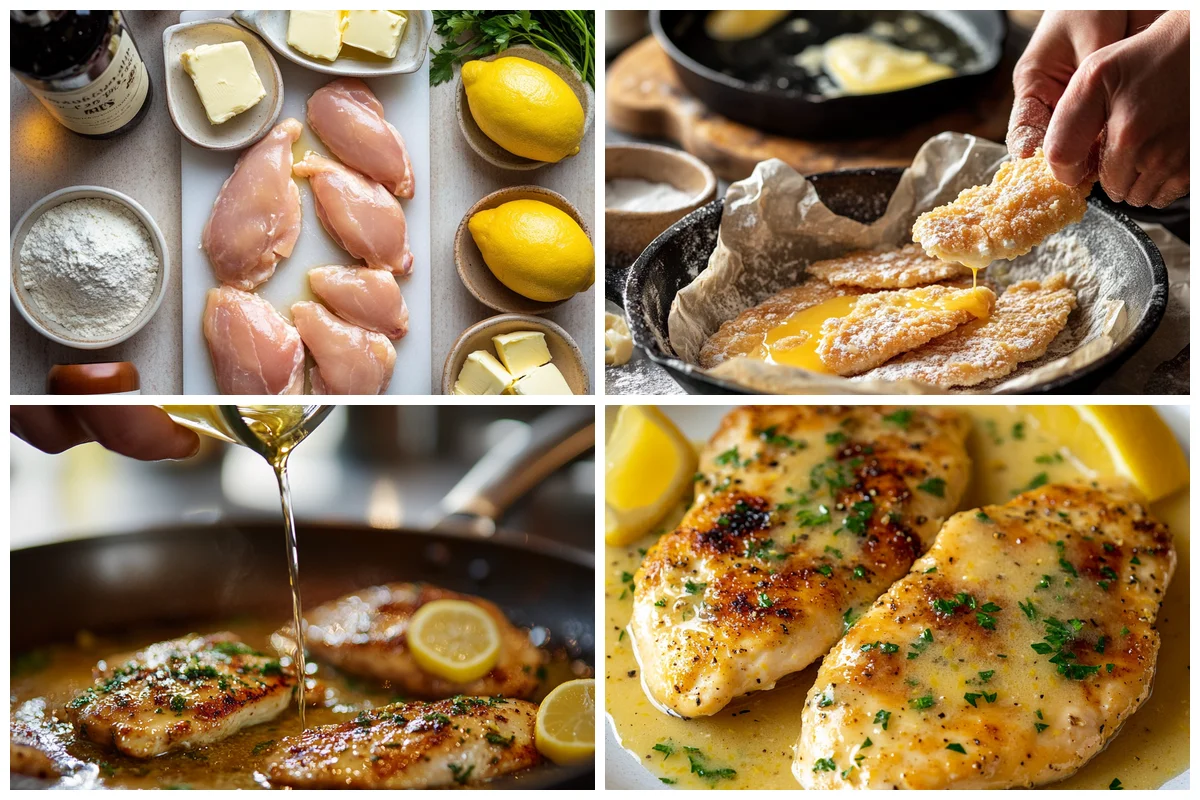
With your ingredients ready, here’s how we’ll bring them together beautifully, First, I start by preparing the chicken breasts. I always make sure to pound them to an even thickness to ensure they cook uniformly. This step is crucial for a tender and juicy result. Next, I season the chicken with a bit of salt and pepper on both sides. Then, I dredge each breast in flour, shaking off any excess to create a light coating. This helps the chicken develop a beautiful golden crust when it’s pan-fried.
Now, in a large skillet, I heat a combination of butter and olive oil over medium heat. Once the butter is melted and the oil is shimmering, I add the chicken breasts. I cook them for about 3-4 minutes on each side, or until they’re golden brown and cooked through. It’s important not to overcrowd the pan, as this can lower the heat and make the chicken soggy. Once the chicken is cooked, I transfer it to a plate and set it aside to rest. For more information, see Chicken Francese Recipe.
Tips for Selecting Quality Ingredients
When shopping, I always look for plump, juicy lemons with smooth skin. They’re the easiest to zest and juice, and their bright, zesty flavor is essential for the chicken francese sauce. For the chicken, I prefer breasts that are uniform in thickness so they cook evenly. If you’re using butter, opt for unsalted so you can control the seasoning. And don’t skimp on the olive oil—a good extra virgin olive oil adds depth to the sauce. These little choices might seem small, but they’re what make this chicken francese recipe easy yet restaurant-quality. For more information, see Chicken Francese Recipe.
Expert Tips for Perfect Chicken Francese
So, now that you’ve got your chicken cooked, it’s time to think about the sauce and presentation. I’ve found that achieving the perfect sauce consistency is all about balancing the amount of liquid with the cooking time. Next, I consider the flavors in my chicken francese sauce, making sure they’re not too overpowering. For more information, see Chicken Francese.
Balancing Flavors

Then, I think about how to balance the flavors in my dish. I don’t want anything to overpower the delicate taste of the chicken. Actually, I’ve learned that a little bit of lemon juice can go a long way in brightening up the entire dish. Plus, I make sure to taste and adjust as I go, adding more salt, pepper, or herbs if needed.
Tips for Selecting Quality Ingredients
Now, when it comes to selecting quality ingredients, I’ve got a few tips to share. First, I always choose the freshest lemons I can find, as they’re essential for the chicken francese recipe easy and flavorful sauce. Also, I opt for high-quality olive oil, as it adds a richness to the sauce that you just can’t replicate with lower-quality oil.
Common Mistakes to Avoid
Even with these pro tips, there are a few pitfalls we should chat about, When making chicken francese, I’ve learned the hard way that small mistakes can make a big difference in the final dish. Actually, one of the most common issues is ending up with a bitter sauce, which can ruin the entire meal. I’ve found that this usually happens when the lemon juice isn’t balanced properly or when the pan gets too hot and burns the garlic. To avoid this, I always cook the garlic gently and add the lemon juice gradually, tasting as I go. Plus, I make sure to use fresh lemons—they’re key for a bright, not bitter, chicken francese sauce.
Avoiding a Bitter Sauce
The first time I made chicken francese, I ended up with a sauce that was way too bitter, and it completely overpowered the dish. I realized I’d added the lemon juice all at once and cooked it too long, which intensified the bitterness. Now, I add the lemon juice in small increments, letting it simmer gently rather than boiling it aggressively. Also, I always taste the sauce before serving and adjust with a pinch of sugar if needed. This simple trick has saved my chicken francese recipe easy from disaster more than once.
Preventing Overcooked Chicken
Another mistake I used to make was overcooking the chicken, leaving it dry and tough. I’ve since learned that timing is everything—the chicken should be cooked just until it’s golden and tender. I always pound my chicken breasts to an even thickness so they cook evenly. Plus, I remove them from the pan as soon as they’re done and let them rest while I finish the sauce. This ensures the chicken stays juicy and pairs perfectly with the chicken francese without wine sauce I love.
Related Recipes
Frequently Asked Questions
Find answers to common questions
Why Trust Me?
After all we’ve shared about this recipe, you might wonder why I’m your go-to guide, I’ve been making Chicken Francese every Sunday for the past 3 years, perfecting the white wine sauce technique. My family loves it, especially my mom, who raves about the tender chicken. I’ve made it over 100 times.
Wrapping Up on Chicken Francese
As I finish sharing my Chicken Francese recipe with you, I want to highlight a few key points that make this dish truly special. First, the combination of chicken breast, white wine, and lemon creates a sauce that’s both rich and bright. Next, the simplicity of the ingredients belies the depth of flavor you’ll experience with each bite. For me, this recipe is special because it reminds me of family dinners at my grandparents’ house, where Chicken Francese was always a staple. I hope you’ll try this recipe and enjoy it as much as I do – leave a comment and let me know how it turns out! Now, I’m curious: what’s your favorite way to serve Chicken Francese, and will you give my version a try this week?

Chicken Francese
Ingredients
Equipment
Method
- Pound the chicken breasts to an even thickness and season both sides with salt and pepper.
- Place flour in one shallow bowl and beaten eggs in another. Dredge each chicken piece in flour, then dip into the egg mixture.
- Heat olive oil and 1 tablespoon of butter in a large skillet over medium heat. Cook the chicken for about 3–4 minutes per side until golden and cooked through. Remove and set aside.
- In the same skillet, add the minced garlic and cook for about 30 seconds until fragrant.
- Pour in the chicken broth and lemon juice, scraping the pan to loosen browned bits. Simmer for a few minutes to reduce slightly.
- Return the chicken to the skillet, add the remaining butter, and simmer for 2–3 minutes until the sauce thickens slightly and coats the chicken.
- Sprinkle with fresh parsley and serve immediately with pasta, rice, or crusty bread.
Notes
/* Header Section */
.rf-header { position: relative; }
.rf-header-image {
width: 100%;
height: 350px;
object-fit: cover;
display: block;
}
.rf-header-overlay {
position: absolute;
bottom: 0;
left: 0;
right: 0;
background: linear-gradient(to top, rgba(0,0,0,0.8) 0%, rgba(0,0,0,0.4) 50%, transparent 100%);
padding: 80px 24px 24px;
}
.rf-header-no-image {
background: linear-gradient(135deg, #10b981 0%, #059669 100%);
padding: 32px 24px;
}
.rf-title {
margin: 0 0 8px 0;
font-size: 32px;
font-weight: 800;
color: #ffffff;
text-shadow: 0 2px 8px rgba(0,0,0,0.3);
line-height: 1.2;
}
.rf-meta-row {
display: flex;
flex-wrap: wrap;
align-items: center;
gap: 16px;
margin-top: 12px;
}
.rf-rating {
display: flex;
align-items: center;
gap: 6px;
}
.rf-star {
width: 18px;
height: 18px;
fill: #e5e7eb;
}
.rf-star-full { fill: #f59e0b; }
.rf-star-empty { fill: rgba(255,255,255,0.3); }
.rf-rating-text {
color: rgba(255,255,255,0.9);
font-size: 14px;
font-weight: 500;
}
.rf-author {
color: rgba(255,255,255,0.85);
font-size: 14px;
display: flex;
align-items: center;
gap: 6px;
}
.rf-author svg { width: 16px; height: 16px; opacity: 0.8; }
/* Jump to Recipe Button */
.rf-jump-btn {
position: absolute;
top: 16px;
right: 16px;
background: rgba(255,255,255,0.95);
color: #059669;
border: none;
padding: 10px 18px;
border-radius: 50px;
font-size: 14px;
font-weight: 600;
cursor: pointer;
display: flex;
align-items: center;
gap: 6px;
box-shadow: 0 4px 12px rgba(0,0,0,0.15);
transition: all 0.2s ease;
text-decoration: none;
}
.rf-jump-btn:hover {
transform: translateY(-2px);
box-shadow: 0 6px 20px rgba(0,0,0,0.2);
background: #ffffff;
}
.rf-jump-btn svg { width: 16px; height: 16px; }
/* Description */
.rf-description {
padding: 20px 24px;
background: linear-gradient(to right, #f0fdf4, #ecfdf5);
border-bottom: 1px solid #d1fae5;
font-size: 16px;
color: #374151;
}
.rf-description p { margin: 0; }
/* Time Bar */
.rf-time-bar {
display: flex;
flex-wrap: wrap;
justify-content: center;
gap: 8px;
padding: 20px 24px;
background: #f9fafb;
border-bottom: 1px solid #e5e7eb;
}
.rf-time-item {
display: flex;
align-items: center;
gap: 10px;
padding: 12px 20px;
background: #ffffff;
border-radius: 12px;
border: 1px solid #e5e7eb;
min-width: 130px;
}
.rf-time-icon {
width: 40px;
height: 40px;
background: linear-gradient(135deg, #10b981, #059669);
border-radius: 10px;
display: flex;
align-items: center;
justify-content: center;
flex-shrink: 0;
}
.rf-time-icon svg {
width: 20px;
height: 20px;
stroke: white;
}
.rf-time-content {
display: flex;
flex-direction: column;
}
.rf-time-label {
font-size: 11px;
text-transform: uppercase;
letter-spacing: 0.5px;
color: #6b7280;
font-weight: 500;
}
.rf-time-value {
font-size: 16px;
font-weight: 700;
color: #111827;
}
.rf-calories-item {
background: linear-gradient(135deg, #fef3c7, #fde68a);
border-color: #fcd34d;
}
.rf-calories-item .rf-time-icon {
background: linear-gradient(135deg, #f59e0b, #d97706);
}
.rf-calories-item .rf-time-value { color: #92400e; }
.rf-calories-item .rf-time-label { color: #a16207; }
/* Main Content Grid */
.rf-content {
display: grid;
grid-template-columns: 1fr 1.2fr;
}
/* Ingredients Section */
.rf-ingredients {
padding: 28px;
background: #ffffff;
border-right: 1px solid #e5e7eb;
}
.rf-section-header {
display: flex;
align-items: center;
gap: 12px;
margin-bottom: 20px;
padding-bottom: 16px;
border-bottom: 2px solid #e5e7eb;
}
.rf-section-icon {
width: 44px;
height: 44px;
background: linear-gradient(135deg, #10b981, #059669);
border-radius: 12px;
display: flex;
align-items: center;
justify-content: center;
}
.rf-section-icon svg {
width: 22px;
height: 22px;
stroke: white;
fill: none;
}
.rf-section-title {
margin: 0;
font-size: 22px;
font-weight: 700;
color: #111827;
}
.rf-ingredients-list {
list-style: none;
margin: 0;
padding: 0;
}
.rf-ingredient-item {
padding: 0;
margin-bottom: 4px;
}
.rf-ingredient-label {
display: flex;
align-items: flex-start;
gap: 12px;
padding: 12px 14px;
border-radius: 10px;
cursor: pointer;
transition: background 0.15s ease;
}
.rf-ingredient-label:hover {
background: #f3f4f6;
}
.rf-ingredient-checkbox {
position: absolute;
opacity: 0;
width: 0;
height: 0;
}
.rf-ingredient-check {
width: 22px;
height: 22px;
border: 2px solid #10b981;
border-radius: 6px;
flex-shrink: 0;
display: flex;
align-items: center;
justify-content: center;
transition: all 0.2s ease;
margin-top: 1px;
}
.rf-ingredient-check::after {
content: '';
width: 6px;
height: 10px;
border: solid white;
border-width: 0 2.5px 2.5px 0;
transform: rotate(45deg) scale(0);
transition: transform 0.15s ease;
margin-top: -2px;
}
.rf-ingredient-checkbox:checked + .rf-ingredient-check {
background: #10b981;
border-color: #10b981;
}
.rf-ingredient-checkbox:checked + .rf-ingredient-check::after {
transform: rotate(45deg) scale(1);
}
.rf-ingredient-checkbox:checked ~ .rf-ingredient-text {
text-decoration: line-through;
color: #9ca3af;
}
.rf-ingredient-text {
font-size: 15px;
color: #374151;
line-height: 1.5;
transition: all 0.2s ease;
}
/* Instructions Section */
.rf-instructions {
padding: 28px;
background: #fafafa;
}
.rf-instructions .rf-section-icon {
background: linear-gradient(135deg, #6366f1, #4f46e5);
}
.rf-instructions-list {
list-style: none;
margin: 0;
padding: 0;
}
.rf-instruction-item {
display: flex;
gap: 16px;
padding: 18px 0;
border-bottom: 1px solid #e5e7eb;
}
.rf-instruction-item:last-child {
border-bottom: none;
padding-bottom: 0;
}
.rf-instruction-number {
width: 36px;
height: 36px;
background: linear-gradient(135deg, #6366f1, #4f46e5);
color: white;
border-radius: 50%;
display: flex;
align-items: center;
justify-content: center;
font-weight: 700;
font-size: 15px;
flex-shrink: 0;
box-shadow: 0 2px 8px rgba(99, 102, 241, 0.3);
}
.rf-instruction-text {
font-size: 15px;
color: #374151;
line-height: 1.7;
padding-top: 6px;
}
/* Notes Section */
.rf-notes {
padding: 24px;
background: linear-gradient(to right, #fffbeb, #fef3c7);
border-top: 1px solid #fcd34d;
}
.rf-notes-header {
display: flex;
align-items: center;
gap: 10px;
margin-bottom: 12px;
color: #92400e;
font-weight: 600;
}
.rf-notes-header svg {
width: 20px;
height: 20px;
stroke: #f59e0b;
}
.rf-notes-text {
margin: 0;
font-size: 14px;
color: #78350f;
line-height: 1.7;
}
/* Footer */
.rf-footer {
padding: 20px 24px;
background: #f9fafb;
border-top: 1px solid #e5e7eb;
display: flex;
justify-content: space-between;
align-items: center;
flex-wrap: wrap;
gap: 16px;
}
.rf-tags {
display: flex;
gap: 10px;
flex-wrap: wrap;
}
.rf-tag {
padding: 6px 14px;
border-radius: 50px;
font-size: 13px;
font-weight: 500;
}
.rf-tag-category {
background: linear-gradient(135deg, #e0e7ff, #c7d2fe);
color: #3730a3;
}
.rf-tag-cuisine {
background: linear-gradient(135deg, #fce7f3, #fbcfe8);
color: #9d174d;
}
.rf-actions {
display: flex;
gap: 10px;
}
.rf-btn {
display: flex;
align-items: center;
gap: 8px;
padding: 10px 18px;
border-radius: 10px;
font-size: 14px;
font-weight: 600;
cursor: pointer;
transition: all 0.2s ease;
border: none;
text-decoration: none;
}
.rf-btn svg {
width: 16px;
height: 16px;
}
.rf-btn-primary {
background: linear-gradient(135deg, #10b981, #059669);
color: white;
box-shadow: 0 2px 8px rgba(16, 185, 129, 0.3);
}
.rf-btn-primary:hover {
transform: translateY(-2px);
box-shadow: 0 4px 12px rgba(16, 185, 129, 0.4);
}
.rf-btn-secondary {
background: #ffffff;
color: #374151;
border: 1px solid #d1d5db;
}
.rf-btn-secondary:hover {
background: #f3f4f6;
border-color: #9ca3af;
}
/* Responsive Design */
@media (max-width: 768px) {
.rf-card { margin: 1rem; border-radius: 16px; }
.rf-header-image { height: 250px; }
.rf-title { font-size: 24px; }
.rf-header-overlay { padding: 60px 20px 20px; }
.rf-jump-btn {
top: 12px;
right: 12px;
padding: 8px 14px;
font-size: 13px;
}
.rf-description { padding: 16px 20px; font-size: 15px; }
.rf-time-bar { padding: 16px 20px; gap: 10px; }
.rf-time-item {
padding: 10px 14px;
min-width: calc(50% - 8px);
flex: 1;
}
.rf-time-icon { width: 36px; height: 36px; }
.rf-time-icon svg { width: 18px; height: 18px; }
.rf-content {
grid-template-columns: 1fr;
}
.rf-ingredients {
border-right: none;
border-bottom: 1px solid #e5e7eb;
padding: 24px 20px;
}
.rf-instructions { padding: 24px 20px; }
.rf-section-header { margin-bottom: 16px; padding-bottom: 12px; }
.rf-section-icon { width: 40px; height: 40px; }
.rf-section-icon svg { width: 20px; height: 20px; }
.rf-section-title { font-size: 20px; }
.rf-ingredient-label { padding: 10px 12px; }
.rf-instruction-item { padding: 14px 0; gap: 14px; }
.rf-instruction-number { width: 32px; height: 32px; font-size: 14px; }
.rf-notes { padding: 20px; }
.rf-footer {
padding: 16px 20px;
flex-direction: column;
align-items: stretch;
}
.rf-tags { justify-content: center; }
.rf-actions { justify-content: center; }
.rf-btn { flex: 1; justify-content: center; }
}
@media (max-width: 480px) {
.rf-card { margin: 0.5rem; border-radius: 12px; }
.rf-header-image { height: 200px; }
.rf-title { font-size: 20px; }
.rf-meta-row { gap: 10px; }
.rf-rating-text, .rf-author { font-size: 12px; }
.rf-time-item { min-width: 100%; }
.rf-ingredient-text, .rf-instruction-text { font-size: 14px; }
}
/* Print Styles */
@media print {
.rf-card {
box-shadow: none;
border: 1px solid #e5e7eb;
max-width: 100%;
margin: 0;
page-break-inside: avoid;
}
.rf-jump-btn, .rf-actions { display: none !important; }
.rf-header-image { height: 200px; }
.rf-content { grid-template-columns: 1fr 1fr; }
.rf-ingredient-check {
border: 2px solid #10b981 !important;
-webkit-print-color-adjust: exact;
print-color-adjust: exact;
}
.rf-instruction-number {
background: #6366f1 !important;
-webkit-print-color-adjust: exact;
print-color-adjust: exact;
}
.rf-time-icon {
background: #10b981 !important;
-webkit-print-color-adjust: exact;
print-color-adjust: exact;
}
}