5 Must-Try Steps for Flavorful Peruvian Chicken Amarillo

The moment you smell Peruvian Chicken Amarillo simmering on the stove—golden turmeric perfuming the air, juicy chicken thighs bathing in that vibrant yellow sauce—you’ll understand why this dish stole my heart. I first tasted it at a tiny Lima eatery where the cook laughed as I mopped up every last drop with crusty bread. Now it’s my go-to when I want something cozy yet exciting.
What makes this dish special? It’s all about balance. The sauce gets its sunshine hue from aji amarillo paste (Peru’s fruity, medium-spice chili) and earthy turmeric, while garlic and cumin add depth. I’ve learned a few tricks over the years: bloom the spices in oil first, use chicken thighs for extra richness, and finish with a splash of lime to brighten everything up.
In this guide, I’ll walk you through my 5 must-try steps for nailing this dish every time. You’ll learn how to:
- Choose the best aji amarillo paste (or make a quick substitute)
- Build layers of flavor without overcomplicating things
- Adjust the heat level to your taste
Whether you’re new to Peruvian food or just craving comfort with a kick, this Chicken Amarillo delivers. Let’s get cooking!
What Makes Peruvian Chicken Amarillo Special
That first bite in Lima wasn’t just about flavor—it was a lesson in how Peruvian cooking turns simple ingredients into something extraordinary. If you enjoyed this, you might also like Chi Chis Chicken Chimichangga Wite Sauce. Chicken Amarillo stands out because it’s cozy comfort food with a vibrant kick, thanks to its golden aji amarillo paste. Unlike other chicken dishes that rely on heavy cream or tomatoes, this one gets its character from Peru’s beloved chili, which tastes like sunshine with a hint of peach and just enough heat to tingle your lips.
The Magic of Aji Amarillo
I’ve tried countless chili pastes, but aji amarillo is my favorite for its balance of fruitiness and mild spice (about 30,000–50,000 Scoville units—like a serrano but sweeter). In Peru, it’s the backbone of sauces, stews, even potato dishes. When I make my Peruvian chicken marinade, I whisk the paste with garlic, cumin, and a touch of turmeric, which deepens the color without overpowering. Pro tip: If you can’t find the paste, blend rehydrated dried chilies with a spoon of vinegar and honey—it’s not perfect, but it works in a pinch.
Why This Dish Stands Out
Compared to Mexican mole or Thai curry, Chicken Amarillo feels lighter yet equally satisfying. The sauce clings to the chicken without feeling heavy, and a squeeze of lime at the end keeps it bright. My secret? Letting the chicken marinate overnight so the flavors sink in. It’s the kind of dish that makes you tear off extra bread just to swipe the plate clean—exactly like I did in that Lima eatery.
Essential Ingredients for Authentic Flavor
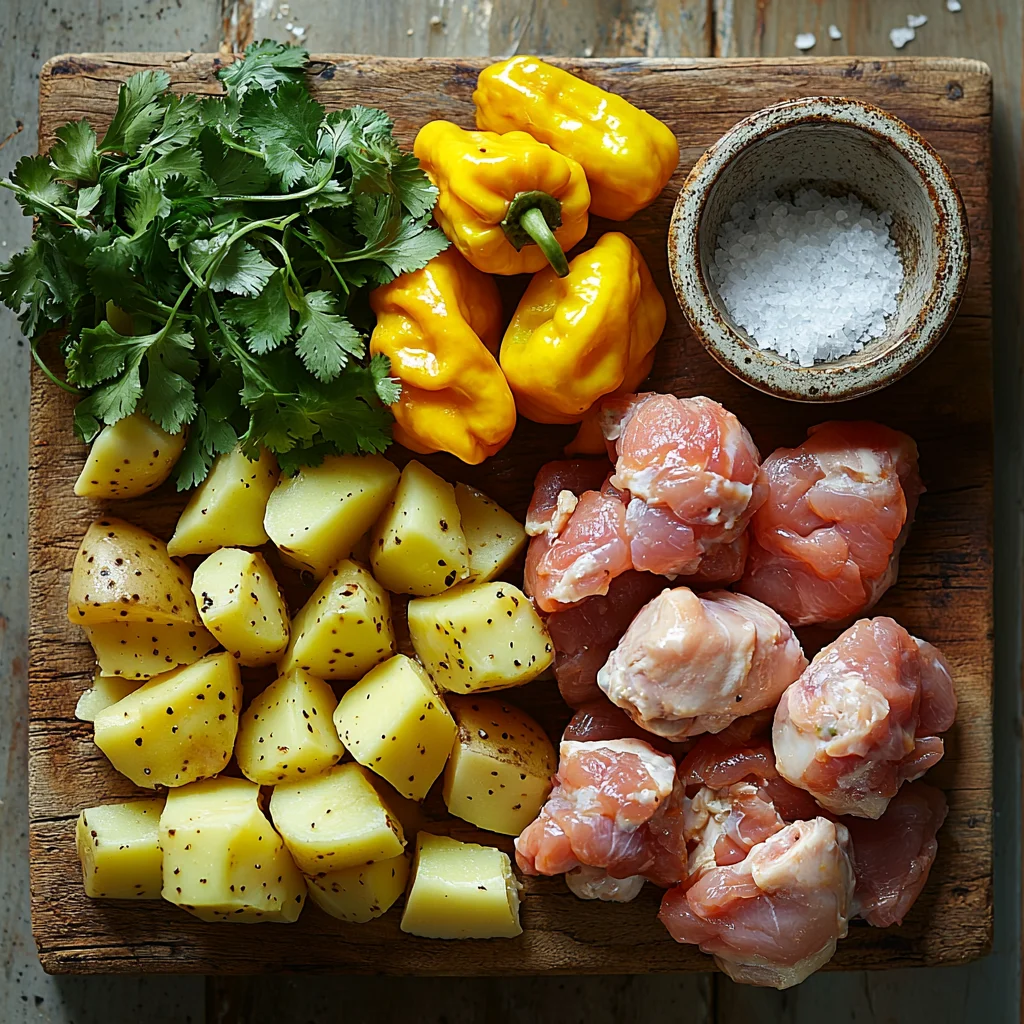
That golden aji amarillo marinade I mentioned earlier? It’s all about the right ingredients. If you enjoyed this, you might also like Chicken Marsala. For my Peruvian chicken amarillo, I use a mix of bold flavors: aji amarillo paste (the star), garlic, cumin, turmeric, lime juice, and a splash of white vinegar. The paste gives the dish its signature color and fruity heat—like sunshine in a bowl. If you’re new to Peruvian cooking, don’t skip the fresh cilantro garnish; it adds a bright finish that cuts through the richness.
Finding Aji Amarillo Paste
I used to hunt for aji amarillo paste in specialty stores until I discovered it’s stocked at most Latin markets or in the international aisle of larger grocery stores. Online retailers like Amazon carry it too—just look for brands like “El Guapo” or “Inca’s Food.” In a pinch, blend 2–3 rehydrated guajillo chilies with a teaspoon of honey and a splash of vinegar. It won’t be identical, but it’ll get you close.
Why This Dish Stands Out
What I love about this recipe is how flexible it is. No aji amarillo? Use rocoto paste for more heat or aji panca for smokiness. Out of fresh garlic? Powder works fine—just use half the amount. The key is balancing acidity (lime or vinegar) with warmth (cumin, turmeric). Once you nail that, you’ll see why this dish beats generic grilled chicken every time.
Step-by-Step Cooking Instructions
That flexibility I mentioned earlier? It carries right into the cooking process. If you enjoyed this, you might also like Chicken Pot Pie Skillet. Whether you’re grilling outdoors or roasting in the oven, this Peruvian chicken amarillo adapts beautifully. Just don’t rush the marinade—it’s the soul of the dish.
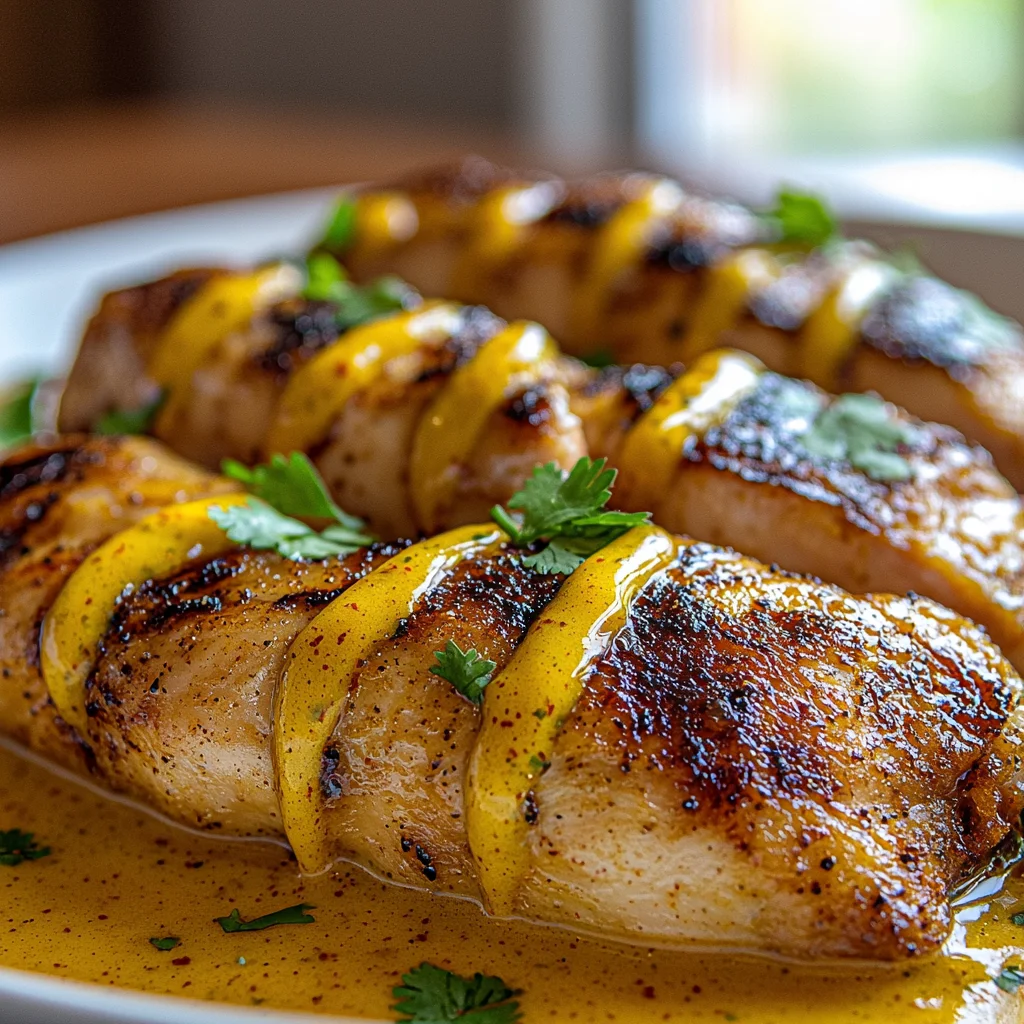
Perfecting the Marinade
I’ve found that letting the chicken soak for at least 4 hours (or overnight) makes all the difference. The aji amarillo paste needs time to work its magic, infusing the meat with that signature golden hue and subtle heat. I rub the marinade under the skin too—it keeps the breast juicy. If you’re short on time, poke the chicken with a fork before marinating; it helps the flavors penetrate faster. Always use a glass or ceramic bowl, though. Metal can react with the lime juice and give off a weird taste.
Cooking Methods Made Easy
My go-to is a hot grill (400°F) for that crispy skin, but a 375°F oven works just as well. Roast bone-in thighs for 35–40 minutes, flipping halfway, until the internal temp hits 165°F. For stovetop lovers, sear the chicken in a cast-iron skillet first, then finish in the oven. The key is basting—I spoon leftover marinade over the chicken during the last 10 minutes for extra flavor. Just make sure to boil any unused marinade first if you plan to reuse it for safety.
Serving Suggestions and Pairings
That crispy-skinned chicken deserves equally vibrant sides. I always serve mine with Peruvian staples like cancha (toasted corn nuts) for crunch and a simple avocado salad dressed with lime. The creaminess balances the aji amarillo paste‘s heat beautifully. For heartier meals, add garlic rice or boiled potatoes tossed with cilantro—they soak up the marinade’s golden goodness.
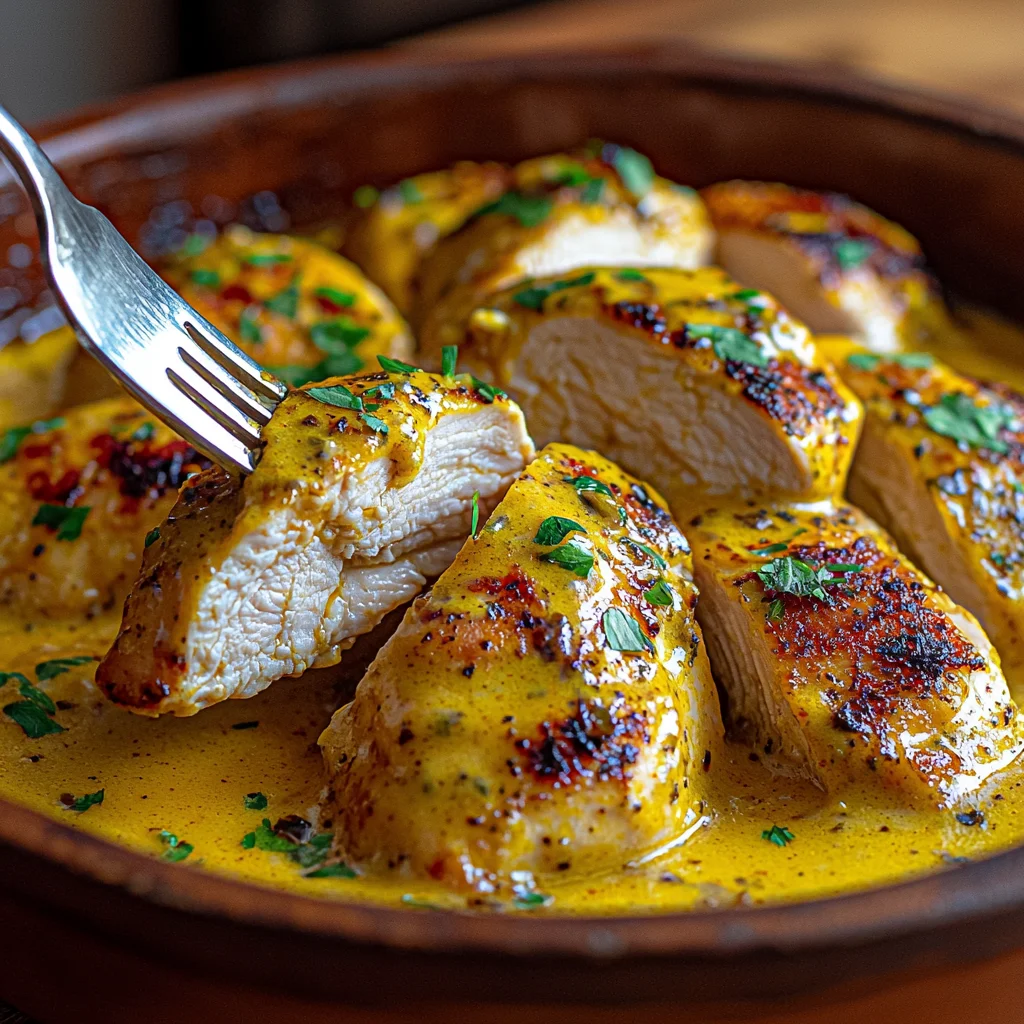
Perfect Side Dishes
My abuela taught me to pair this with salsa criolla—thinly sliced red onions quick-pickled in lime juice and ají limo peppers. It cuts through the richness and adds a bright kick. If you’re craving carbs, lomo saltado-style fries (crispy, with a splash of soy sauce) are my guilty pleasure. Steamed yuca with huancaina sauce works too, though it’s richer. Pro tip: Warm your plates beforehand. Cold dishes dull the flavors.
Wine and Beverage Pairings
A chilled glass of Torrontés or Sauvignon Blanc complements the spice without overpowering it. Beer lovers should reach for a crisp pilsner—Peruvians swear by Cusqueña. For non-alcoholic options, I blend passionfruit juice with soda water or serve chicha morada (purple corn tea) over ice. The sweetness tames the heat while letting the marinade’s citrus notes shine.
Presentation Tips
I pile the chicken high on a platter, drizzle extra sauce over top, and scatter chopped cilantro and cancha around the edges. A small bowl of aji amarillo paste on the side lets guests adjust the heat. For gatherings, I’ll slice the chicken and fan it over rice—it looks fancy but takes seconds. Just don’t forget the napkins; things get deliciously messy. For more information, see FDA Food Safety.
Storage and Reheating Tips
After all that work perfecting your Peruvian chicken amarillo—from marinating it in that vibrant aji amarillo paste to getting that golden crisp skin—you’ll want to savor every last bite. Luckily, this dish keeps beautifully if you store it right. I’ve found the key is locking in those bright, citrusy flavors of the Peruvian chicken marinade while keeping the meat juicy. For more information, see USDA Food & Nutrition.
Freezing for Later Use
If I know I won’t finish the chicken within a few days, I freeze it right away. First, I let it cool completely (hot food creates ice crystals that ruin texture). Then, I wrap portions tightly in foil and slide them into freezer bags, squeezing out all the air. The aji amarillo sauce gets its own container—it’ll last up to 3 months this way. Thaw overnight in the fridge, and it’ll taste nearly as good as fresh. For more information, see Serious Eats.
Best Reheating Methods
My go-to move? Reheating in the oven at 350°F with a splash of chicken broth to keep things moist. Cover it with foil for the first 10 minutes, then uncover to crisp the skin. For quicker meals, I’ll microwave slices with a damp paper towel over them, but honestly, the oven’s worth the wait. Pro tip: Warm any leftover sauce separately—it’ll revive the dish’s authentic punch.
Variations and Customizations
Since we’ve covered how to keep your Peruvian chicken amarillo juicy and flavorful when reheating, let’s talk about making the dish your own. I love how versatile this recipe is—whether you’re tweaking the heat, swapping proteins, or adapting for dietary needs, you can still capture that authentic recipe vibe.
Heat Level Adjustments
The aji amarillo paste gives this dish its signature kick, but I’ve learned not everyone loves the same spice level. For a milder version, I’ll use half the paste and add a spoonful of roasted red peppers for sweetness. If you’re like my brother who crazes heat, toss in a minced habanero or extra aji amarillo. Just taste as you go—the marinade should balance tangy, savory, and spicy. And if you’re out of aji amarillo entirely, a mix of paprika and a dash of cayenne works in a pinch.
Protein and Dietary Swaps
While chicken thighs are my go-to for their tenderness, I’ve made this with boneless pork chops (marinate for just 2 hours) or even tofu for vegetarian friends. Press the tofu well, then let it soak up that Peruvian chicken marinade overnight. For gluten-free folks, swap soy sauce with tamari—it’s my little secret for keeping the umami depth. The beauty? No matter what you use, that golden aji amarillo sauce ties everything together.
Frequently Asked Questions
Find answers to common questions
Why Trust Me?
I fell in love with Peruvian Chicken Amarillo on my first trip to Lima, and I’ve been perfecting my home version for 5 years. The trick is toasting the aji amarillo paste just until it smells like summer corn—I learned this the hard way after burning two batches. Now my abuelita says mine tastes “casi como en casa” (almost like home).
Final Thoughts
This Peruvian Chicken Amarillo is one of those dishes that feels like a warm hug—comforting, flavorful, and just a little bit special. The bright aji amarillo paste gives it that signature kick, while the creamy sauce balances everything perfectly. Plus, it’s surprisingly easy to make, even if you’ve never cooked Peruvian food before.
This recipe holds a special place in my heart because it reminds me of my first trip to Lima, where I fell in love with the vibrant flavors of Peruvian cuisine. Now, I love bringing those memories to my own kitchen.
So why not give it a try? Whip up a batch, pair it with some fluffy rice, and let me know how it turns out in the comments! What’s your favorite way to enjoy Peruvian chicken—or would this be your first time trying it? I’d love to hear your thoughts!

Peruvian Chicken Amarillo
Ingredients
Method
- Season chicken thighs generously with salt and pepper.
- Heat oil in large pot over medium-high. Brown chicken 5 minutes per side, then remove.
- In same pot, sauté onions 3 minutes until soft. Add garlic, cumin and turmeric, cooking 1 minute until fragrant.
- Stir in aji amarillo paste and chicken broth, scraping up browned bits.
- Return chicken to pot. Add potatoes. Simmer covered 25 minutes until chicken cooks through.
- Remove chicken, shred meat (discard bones/skin), and return to pot.
- Stir in peas and evaporated milk. Simmer 5 more minutes uncovered.
- Adjust seasoning. Garnish with cilantro before serving.