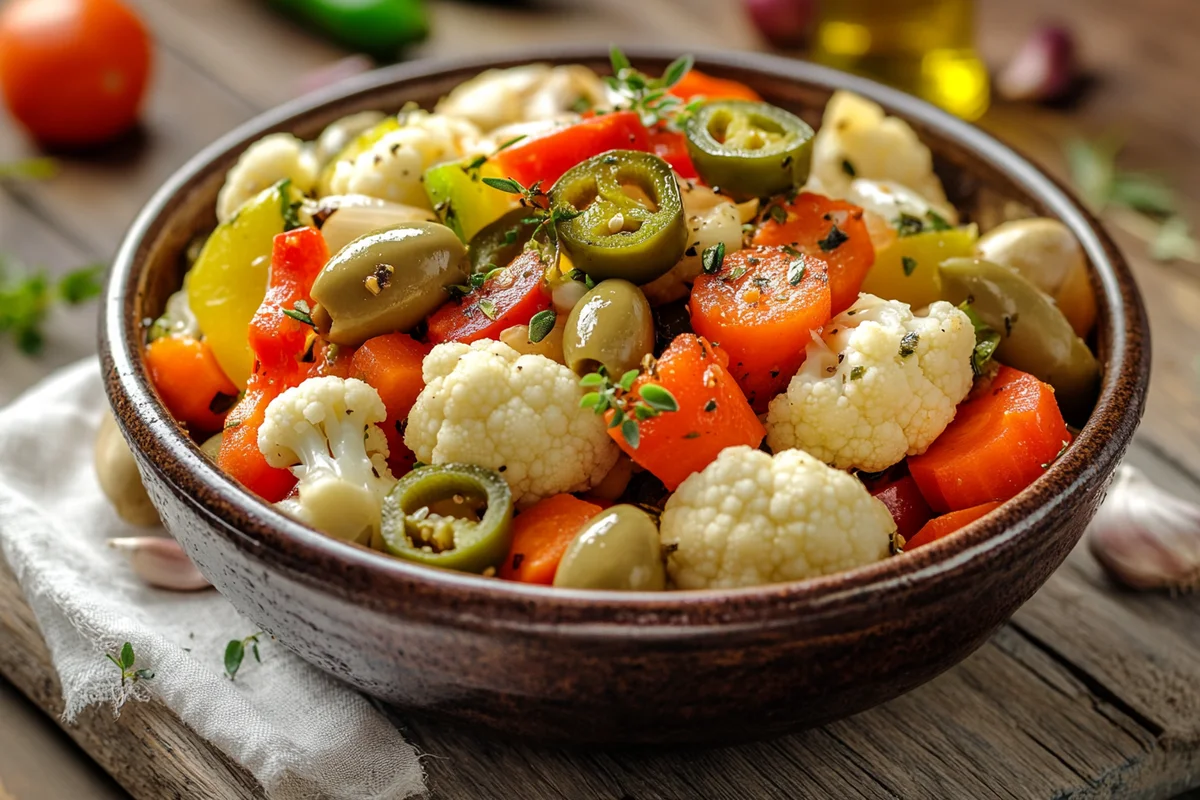
Giardiniera (Italian Pickled Vegetables) – Family Recipe

The first time I tried giardiniera, I was sitting at my Italian grandmother’s kitchen table. She pulled out a jar of these vibrant pickled vegetables, and the moment that tangy, crunchy bite hit my tongue, I was hooked. That was twenty years ago, and I’ve been making my own version of these Italian pickled vegetables ever since.
What makes giardiniera so special? It’s how it transforms ordinary veggies into something extraordinary. The combo of crisp textures, bright acidity, and subtle heat makes it the perfect condiment for sandwiches, antipasto platters, or even straight from the jar (no judgment here!). My nonna used to say it was her secret weapon for adding flavor to any meal, and now I get it.
Over the years, I’ve tweaked her traditional recipe—adding a bit more garlic here, adjusting the vinegar ratio there—but the soul of it remains the same. That perfect balance of crunch and tang makes your taste buds dance. What I love most is how versatile it is. Make it mild or spicy, use whatever veggies are in season, and it always turns out delicious.
In this recipe, I’ll walk you through my foolproof method for making giardiniera that stays crisp for weeks. We’ll cover everything from choosing the best vegetables to nailing that perfect pickle. Trust me, once you try homemade, you’ll never go back to store-bought. Plus, your kitchen will smell amazing while it’s pickling!
Key Takeaways:
- Uses a mix of crunchy veggies for perfect texture
- Customizable spice level to suit your taste
- Ready in just 24 hours (but gets better with time)
- Stays fresh for weeks in the fridge
- Elevates everything from sandwiches to cheese boards
Why This Recipe Works
After testing dozens of variations, I’ve landed on what I think is the perfect giardiniera recipe. If you enjoyed this, you might also like Crispy Pickle Cheese Bites. The magic happens in three key areas: the veggie selection, the brine balance, and the resting time.
First, the veggies. I use a mix of cauliflower, carrots, celery, and peppers because they each bring something special. Cauliflower soaks up flavor like a sponge while staying crisp. Carrots add natural sweetness, celery gives that satisfying crunch, and peppers bring just the right amount of heat. Together, they create a texture party in every bite.
Now, about that brine. Many recipes use straight vinegar, but I find that too harsh. My secret? A 2:1 ratio of vinegar to water with just enough salt to enhance without overpowering. I also add a touch of sugar to round out the flavors. Oh, and don’t skimp on the garlic and spices—they’re what give these Italian pickled vegetables their signature depth.
Timing is everything. While you could technically eat these after a few hours, waiting at least 24 hours lets the flavors develop properly. The veggies soften just enough while keeping their satisfying crunch. My grandma always said the giardiniera tasted best after a week, and she wasn’t wrong—the flavors keep getting better as they mingle in the jar.
Ingredients Breakdown
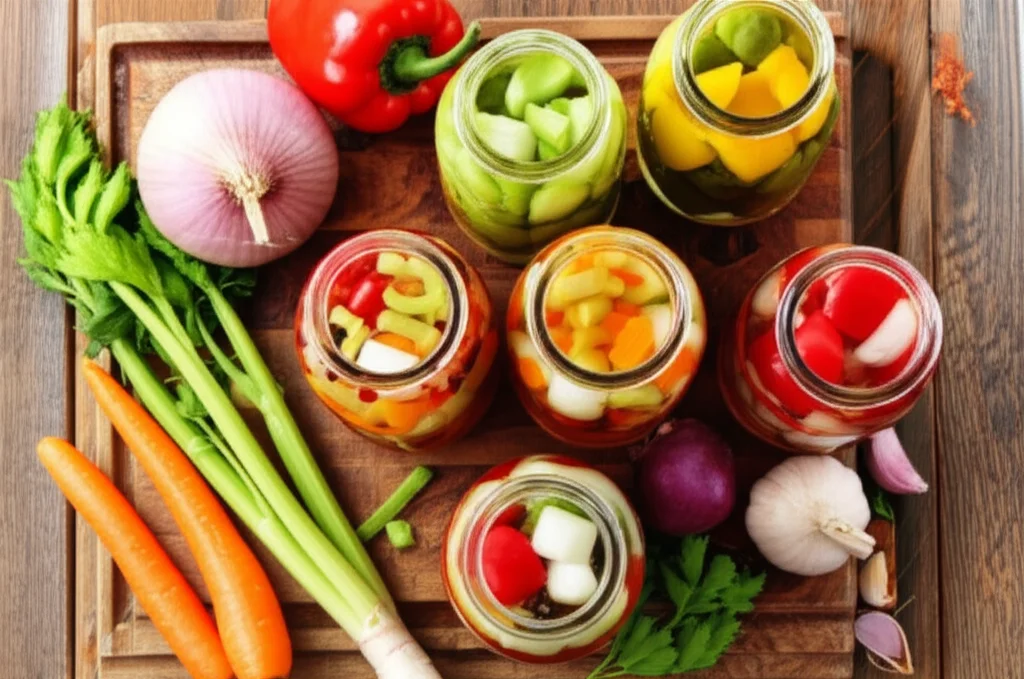
Let’s talk about what goes into making the best giardiniera. If you enjoyed this, you might also like Creamy Italian Meatball Soup. Quality ingredients really make a difference here, so I’ll walk you through my must-haves and some smart swaps.
The veggie base is crucial. I use about 4 cups total of cauliflower florets, diced carrots, sliced celery, and bell peppers. The cauliflower should be fresh and firm—if it’s starting to yellow, it won’t pickle well. For carrots, I like the medium-thick ones that aren’t too woody. And don’t toss those celery leaves! They add amazing flavor to the brine.
For the spicy element, I use a mix of serrano and jalapeño peppers. This gives a nice layered heat, but you could use just one type if you prefer. Not into spice? Sweet peppers work beautifully too. The key is to slice them thin so they pickle evenly.
Now the brine stars: white vinegar is my go-to for its clean acidity, but apple cider vinegar adds a nice fruity note if you want to experiment. I always use kosher salt because it dissolves easily and doesn’t have additives. And that pinch of sugar? It’s not enough to make it sweet—just enough to balance the sharpness.
Step-by-Step Guide
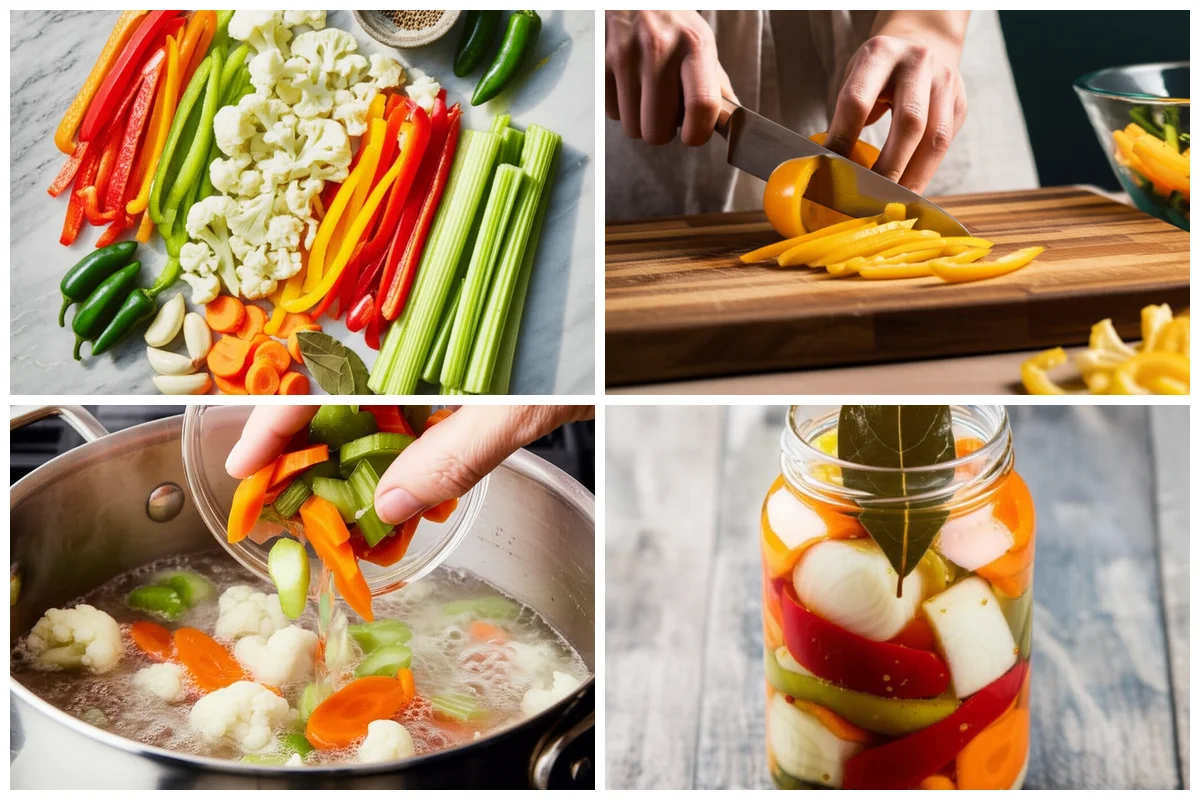
Making giardiniera is surprisingly simple, but there are a few tricks I’ve learned over the years that make all the difference. If you enjoyed this, you might also like Delicious Maple Dijon Roasted Vegetables. Here’s exactly how I do it:
First, prep all your veggies. I like to cut them into bite-sized pieces—not too big, not too small. About 1-inch chunks work perfectly. Slice the peppers thin so they distribute their flavor throughout. Pro tip: Blanch the cauliflower and carrots for just 30 seconds in boiling water. This helps them absorb the brine better while keeping that satisfying crunch. For more information, see Giardiniera.
Next, make the brine. I combine the vinegar, water, salt, and sugar in a saucepan and bring it just to a boil. The moment you see bubbles, turn it off—overboiling can make the vinegar too harsh. Then I add the garlic and spices directly to the jar with the veggies. This way, they infuse their flavor as the giardiniera sits. For more information, see Selecting and Serving Produce Safely.
Now, pour the hot brine over the veggies in the jar, making sure everything is completely submerged. I like to gently tap the jar on the counter to release any air bubbles. Let it cool to room temperature before putting the lid on and refrigerating. The hardest part? Waiting 24 hours before digging in! But trust me, it’s worth it. For more information, see FDA Food Safety.
Variations & Customization Ideas
One of the best things about giardiniera is how adaptable it is. Here are some of my favorite ways to mix it up:
For a Chicago-style version, add more oil and make it extra spicy. My cousin from the Windy City swears by adding a tablespoon of red pepper flakes to the brine. Want it milder? Stick with just bell peppers and maybe toss in some olives for extra brininess.
In the summer, I love making a version with zucchini and green beans. They pickle beautifully and add a fresh seasonal twist. Come fall, I’ll throw in some small pearl onions or even Brussels sprout halves. They soak up the flavors amazingly well.
For a quick pickle version, slice all the veggies very thin, and they’ll be ready in just a few hours. Perfect for a last-minute appetizer. Just arrange them beautifully on a platter with some good crusty bread and cheese.
Storage & Make-Ahead Tips
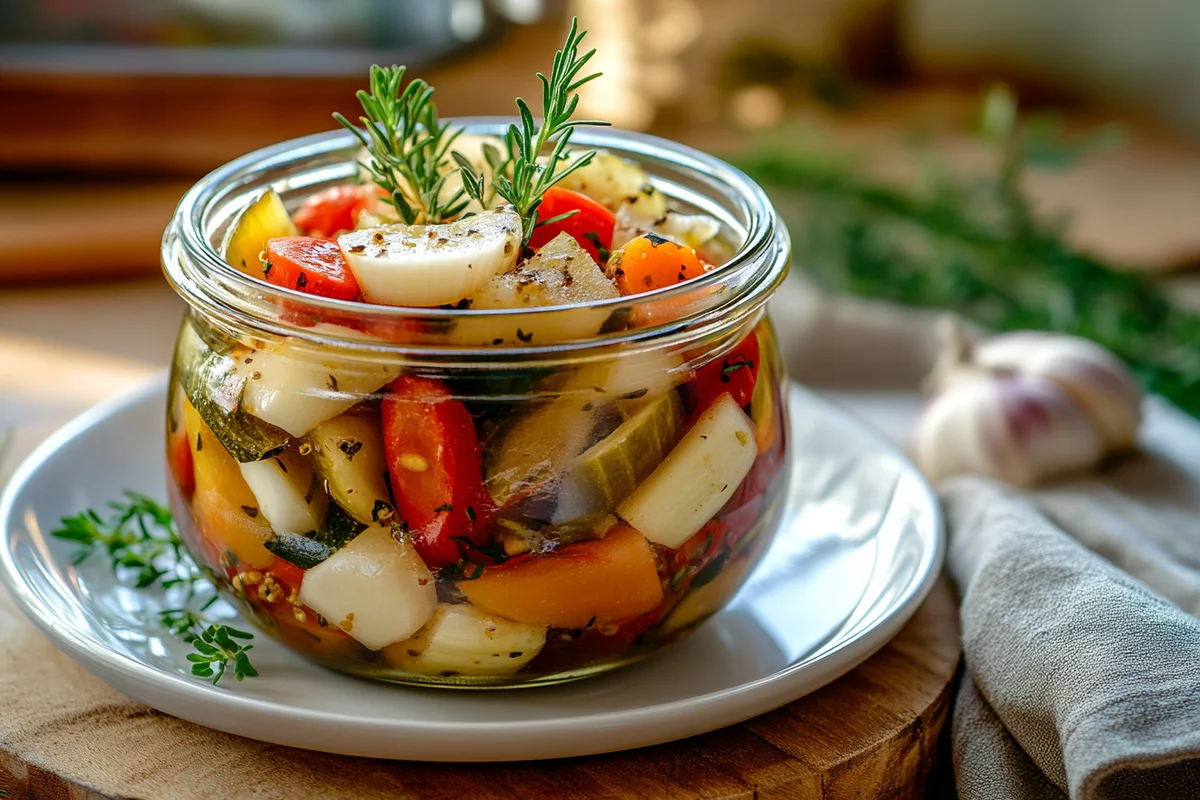
Proper storage is key to keeping your giardiniera crisp and flavorful. Here’s what I’ve learned:
Always use clean, airtight jars. I prefer glass because it doesn’t absorb odors. The giardiniera will keep well in the fridge for about a month, though mine never lasts that long! If you notice the veggies getting too soft, just strain out the brine and refresh it with a little new vinegar.
For make-ahead, this is perfect because it actually gets better with time. I often make a double batch and give jars as gifts. Just be sure to label them with the date. Some people ask about freezing, but I don’t recommend it—the texture changes too much.
Frequently Asked Questions
What vegetables go in a giardiniera?
Traditional Italian pickled vegetables include cauliflower, carrots, celery, and peppers. But the beauty of giardiniera is its flexibility—you can add fennel, onions, or even green beans. The key is using veggies that will stay crisp during pickling. I always include cauliflower because it’s like a flavor sponge, soaking up all that delicious brine.
What’s the difference between Italian Giardiniera and Chicago giardiniera?
The main difference comes down to oil and spice level. Authentic Italian giardiniera is typically pickled in vinegar brine, while the Chicago version is packed in oil and often much spicier. My recipe stays true to the Italian method, but you can easily adapt it by adding more peppers or some olive oil after pickling.
How do Italians eat giardiniera?
In Italy, you’ll often find giardiniera served as part of an antipasto platter alongside cured meats and cheeses. My family also loves it on sandwiches—especially porchetta or meatball subs. It adds the perfect crunchy, tangy contrast to rich meats. Some people even chop it up and mix it into pasta salads for extra zing.
Is giardiniera actually Italian?
Yes! While the Chicago version has become famous, giardiniera originates from Italy, where it’s known as “sottaceti” (meaning “under vinegar”). Different regions have their own variations, but the concept of pickling mixed veggies dates back centuries in Italian cuisine. My grandmother’s version came from her hometown near Naples.
Conclusion
After all these years, making giardiniera still feels like a little kitchen miracle to me. There’s something so satisfying about transforming simple veggies into this vibrant, flavorful condiment. Every time I open a jar, it takes me back to my grandmother’s kitchen and those first magical bites.
What I love most is how this recipe brings people together. Whether it’s on a sandwich, next to some cheese, or straight from the jar with friends, it always sparks conversation. And the best part? It’s so easy to make your own. Once you try this version, I think you’ll understand why it’s been a staple in Italian kitchens for generations.
So go ahead—grab some fresh veggies and get pickling! I promise your future self will thank you when you’re enjoying that perfect crunchy, tangy bite. And who knows? Maybe you’ll start your own giardiniera tradition to pass down. Just don’t be surprised when everyone starts asking for your recipe!
Ingredients
Equipment
Method
- Chop all vegetables into bite-sized pieces and place them in a large bowl.
- In a pot, combine vinegar, water, and salt. Bring to a boil, then pour over the vegetables. Let sit for 1 hour.
- Drain the vegetables and mix in the olive oil, garlic, oregano, and red pepper flakes.
- Transfer to sterilized jars and store in the refrigerator. Let marinate for at least 24 hours before serving.