Best Korean Beef Noodles

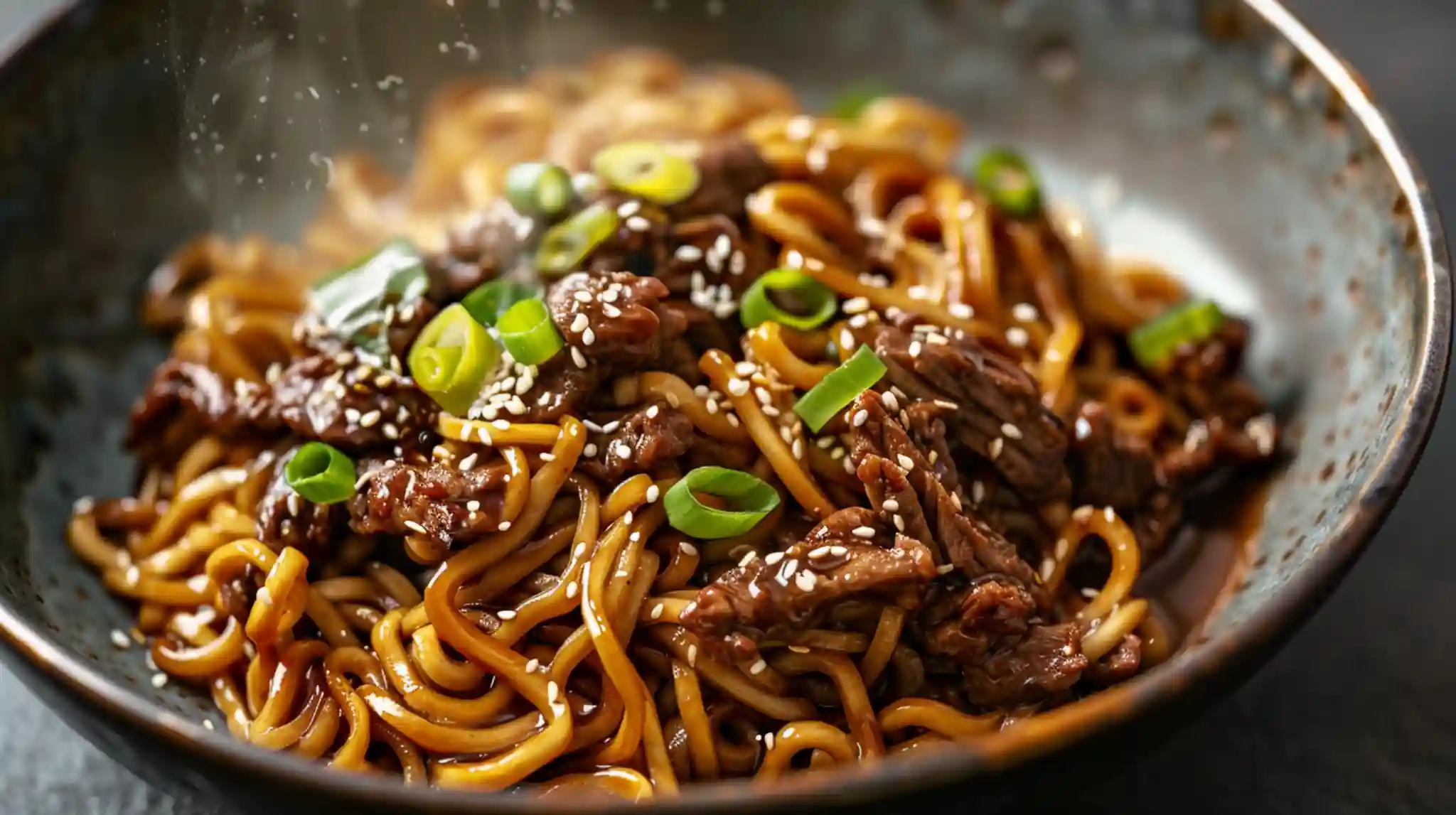
Korean Beef Noodles are my ultimate craving cure on busy weeknights. Picture this: tender beef mingling with slurpy noodles in a sauce that’s sweet, savory, and just a tad spicy—like a flavor party in your mouth. I first stumbled upon this dish during a late-night scroll through food blogs, and now it’s my go-to for impressing friends without slaving in the kitchen.
Who knew ground beef could transform into something so crave-worthy? Korean Beef Noodles pack umami punches from soy sauce and garlic, balanced by brown sugar’s sweetness. TBH, it’s faster than delivery and way cheaper too.
Ready to whip up Korean Beef Noodles at home? This recipe serves four and comes together in under 30 minutes. Let’s turn your dinner into a Korean street food fantasy.
5 Secrets to Irresistible Korean Beef Noodles Every Time
Mastering Korean Beef Noodles starts with quality ingredients and smart techniques. The magic lies in balancing sweet and savory notes while keeping the beef juicy. High heat for browning creates caramelized bits that elevate the dish.
Don’t sleep on fresh garlic—it’s non-negotiable for that authentic kick. Fresh ginger adds a zingy warmth too. For deeper insights into Korean flavors, check out the Korean cuisine overview on Wikipedia, which explains the umami backbone.
Simmer the sauce just right to thicken without overcooking. Toss noodles at the end for perfect cling. These tweaks make your Korean Beef Noodles restaurant-level good.
Ingredients
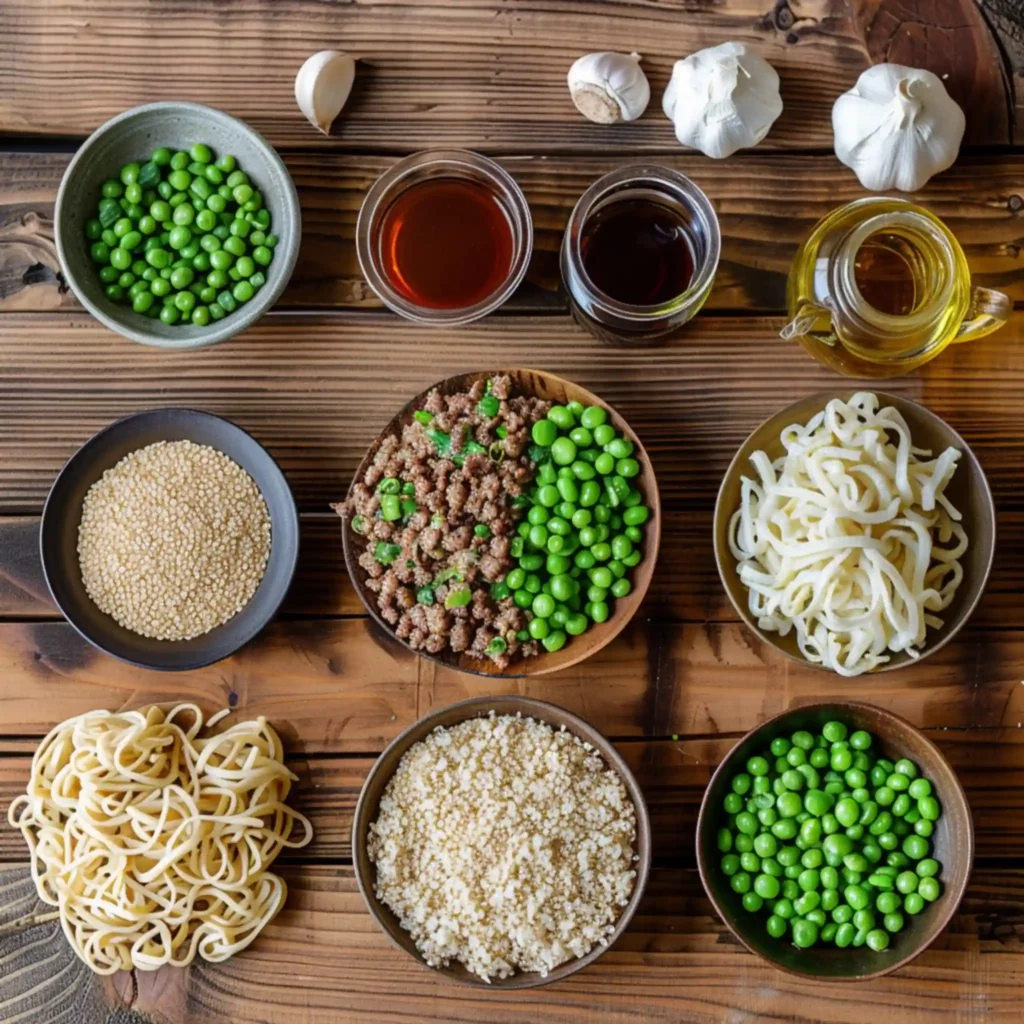
- 8 oz spaghetti or ramen noodles (linguine works great too)
- 1 lb ground beef (80/20 for best flavor)
- 4 cloves garlic, minced
- 1 tbsp sesame oil
- ½ cup low-sodium soy sauce
- ½ cup brown sugar, packed
- ¼ cup sweet chili sauce or gochujang for spice
- 2 tsp cornstarch
- 2 green onions, sliced
- 1 tbsp vegetable oil
- Sesame seeds and extra green onions for garnish
- Optional: ¾ cup frozen peas or sliced mushrooms
These pantry staples make Korean Beef Noodles a breeze. FYI, swap beef for turkey if you want a lighter twist. Measurements scale easily for bigger crowds.
Instructions
- Boil noodles al dente per package directions. Drain and set aside. Pro tip: Toss with a drizzle of sesame oil to prevent sticking.
- Heat vegetable oil in a large skillet over medium-high. Add ground beef and garlic. Crumble and cook until browned, about 5 minutes. Drain excess fat.
- Whisk soy sauce, brown sugar, sweet chili sauce, sesame oil, and cornstarch in a bowl. Pour over beef. Simmer 2-3 minutes until sauce thickens and glistens.
- Add cooked noodles to the skillet. Toss everything to coat evenly. Stir in peas or veggies if using. Heat through for 1 minute.
- Garnish with sliced green onions and sesame seeds. Serve hot and slurp away!
This foolproof method ensures glossy, flavorful Korean Beef Noodles. Adjust spice with more chili paste next time. Leftovers? They reheat like a dream.

Proven Storage Hacks for Korean Beef Noodles
Store leftovers in airtight containers for up to 3 days in the fridge. Avoid sogginess by keeping noodles separate until reheating. Microwave with a splash of water to revive the sauce.
For freezing, portion into freezer bags up to 2 months. Thaw overnight then stir-fry briefly. These tips keep your Korean Beef Noodles tasting fresh.
Reheat on stovetop for best texture—noodles crisp up nicely. Add fresh garnishes post-reheat for that wow factor.
7 Game-Changing Benefits of Korean Beef Noodles
- Lightning-fast prep under 30 minutes—perfect for weeknights.
- Budget-friendly using everyday ingredients.
- Customizable heat levels suit all palates.
- High-protein punch from beef keeps you satisfied.
- Balanced macros make it meal-prep gold.
- Kid-approved sweetness hides the veggies.
- Versatile for gluten-free swaps like rice noodles.
These perks make Korean Beef Noodles a staple. Studies on Asian-inspired diets highlight their nutrient density—learn more from a Harvard Health article on Asian cuisine nutrition.
5 Common Pitfalls to Dodge with Korean Beef Noodles
- Overcooking beef leads to tough texture—brown quickly and remove from heat.
- Skipping cornstarch means runny sauce; always whisk it in.
- Using watery noodles dilutes flavor—cook al dente only.
- Forgetting to drain fat makes it greasy. Pat dry if needed.
- Ignoring spice buildup—taste sauce before tossing noodles.
TBH, I’ve burned my share of garlic early on. Learn from my mishaps for perfect Korean Beef Noodles. For more ideas, check out our guide on Brussels sprouts with Bacon. Patience with simmering pays off big time.
Delicious Variations on Korean Beef Noodles
Go vegetarian with crumbled tofu or mushrooms instead of beef. Spicy lovers, amp up gochujang for fire. Use zucchini noodles for low-carb Korean Beef Noodles.
Add bell peppers or broccoli for veggie boost. Swap ramen for udon for chewier bite. Slow-cooker version: Layer everything and cook low 6 hours for tender results.
These twists keep Korean Beef Noodles exciting. Experiment fearlessly—it’s hard to mess up.
Frequently Asked Questions
Find answers to common questions
Final Thoughts on Mastering Korean Beef Noodles
Korean Beef Noodles deliver big on flavor with minimal effort. This dish has saved countless dinners in my house. Give it a whirl tonight—you won’t regret it.
Share your tweaks in comments below! For more Korean recipes, explore Serious Eats’ Korean food guide. Happy cooking!
PrintBest Korean Beef Noodles
Sweet-savory Korean-style ground beef in a glossy sesame-soy sauce tossed with noodles and finished with green onions and sesame seeds—fast, craveable, and weeknight-friendly.
- Prep Time: 10 minutes
- Cook Time: 15 minutes
- Total Time: 25 minutes
- Yield: 4 servings
- Category: Dinner
- Method: Stovetop
- Cuisine: Korean-Inspired
Ingredients
8 oz spaghetti or ramen noodles (linguine works too)
1 lb ground beef (80/20)
4 cloves garlic, minced
1 tbsp sesame oil
½ cup low-sodium soy sauce
½ cup brown sugar, packed
¼ cup sweet chili sauce or gochujang
2 tsp cornstarch
2 green onions, sliced
1 tbsp vegetable oil
Sesame seeds and extra green onions, for garnish
Optional: ¾ cup frozen peas or sliced mushrooms
Instructions
1. Boil noodles to al dente according to package directions. Drain and set aside (toss with a drizzle of sesame oil to prevent sticking).
2. Heat vegetable oil in a large skillet over medium-high heat. Add ground beef and garlic; crumble and cook until browned, about 5 minutes. Drain excess fat.
3. Whisk soy sauce, brown sugar, sweet chili sauce (or gochujang), sesame oil, and cornstarch in a bowl. Pour over the beef and simmer 2–3 minutes until the sauce thickens and turns glossy.
4. Add the cooked noodles to the skillet and toss to coat evenly. Stir in peas or mushrooms if using and heat through for 1 minute.
5. Garnish with sliced green onions and sesame seeds. Serve hot.
Notes
Use gochujang for deeper heat; sweet chili sauce is milder and sweeter.
Swap ground turkey for a lighter version.
Leftovers reheat well—add a splash of water to loosen the sauce.